
What to Do When Cravings Hit After Quitting Nicotine
Cravings after quitting nicotine are common, but they don’t have to derail your progress. This guide offers practical, in-the-m moment strategies, trigger mapping, and long-term habits to help you ride out urges and stay on track toward a nicotine-free life.
Introduction
Quitting nicotine is a bold decision, and the moment cravings hit can feel like a test of your resolve. You might notice urges during a hot cup of coffee, after meals, or in stressful moments. Cravings aren’t a sign you’ve failed; they’re a normal part of the quitting process. With the right plan, you can ride them out and keep moving toward a nicotine-free life.
What cravings are and why they happen
Cravings arise from a mix of physical withdrawal and conditioned habits. Right after you stop, your brain looks for nicotine to boost dopamine and calm withdrawal symptoms. Over time, the strength and frequency of cravings typically lessen, but they can still pop up for months, especially in high-risk moments.
Understanding this helps you plan effective responses instead of reacting on autopilot.
In-the-moment strategies (when a craving hits)
These quick actions can help you navigate urges without giving in.
This toolkit is meant to be used before a craving becomes overwhelming.
Map your triggers and adjust routines
If you know what typically sparks cravings, you can redesign those moments.
Small, repeatable changes add up over time and reduce the power of conditioned responses.
Strengthen your coping toolkit with long-term habits
Beyond immediate tactics, broader habits can reduce cravings and stabilize mood.
When to seek additional support
If cravings persistently derail your efforts, or if withdrawal symptoms become hard to manage, professional guidance can help. Behavioral support, counseling, or a structured quit program can provide strategies aligned with your daily life and goals.
Craving toolkit: building a practical resource
Put together a small, accessible set of tools you can reach for in moments of weakness.
Data point: cravings are most intense early on, but persistence pays off. Many people notice a meaningful drop in urge strength after the first two weeks, especially as routines adapt and sleep improves.
Conclusion: staying steady on the path forward
Cravings are a natural part of quitting, but they don’t have to dictate your choices. With a clear plan, quick coping actions, and steady lifestyle adjustments, you can reduce both the frequency and intensity of urges over time.
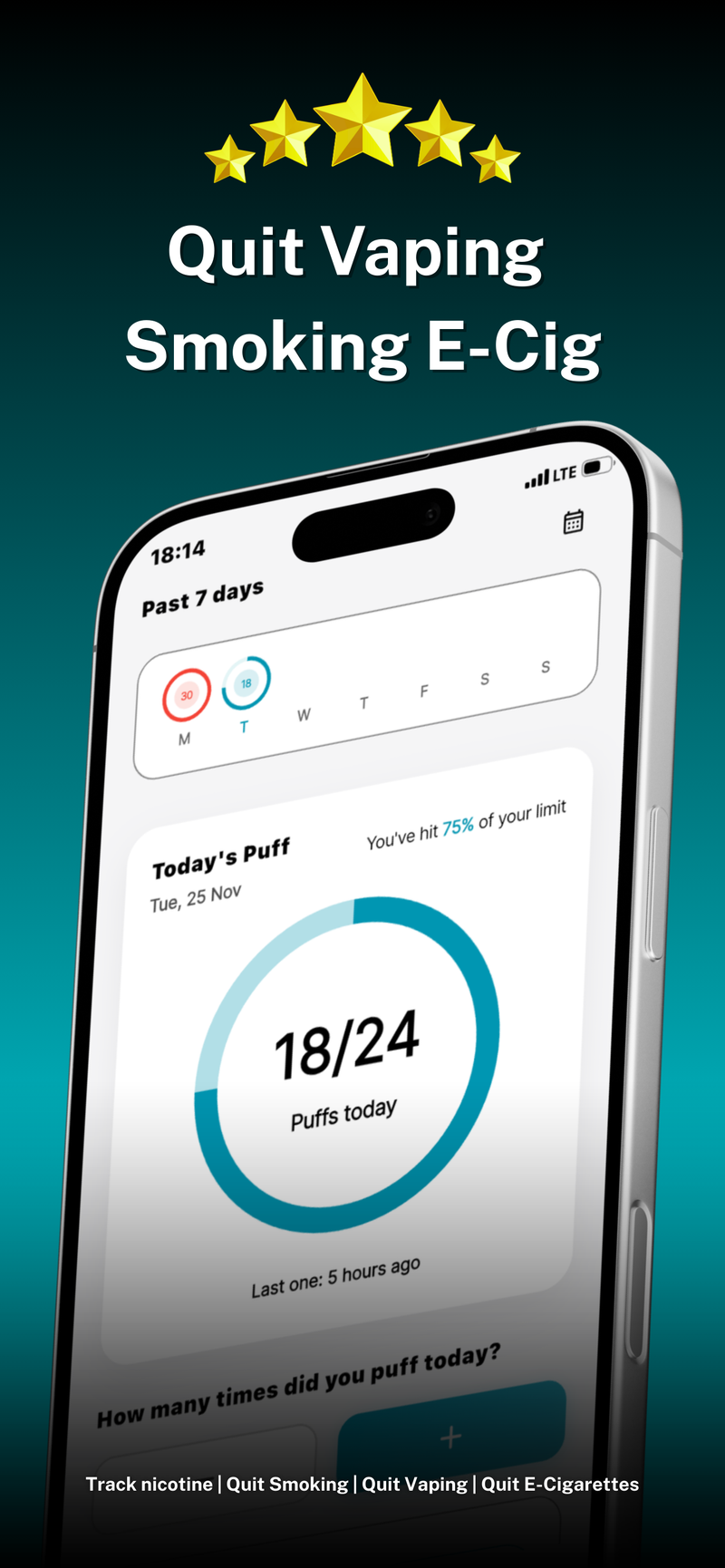
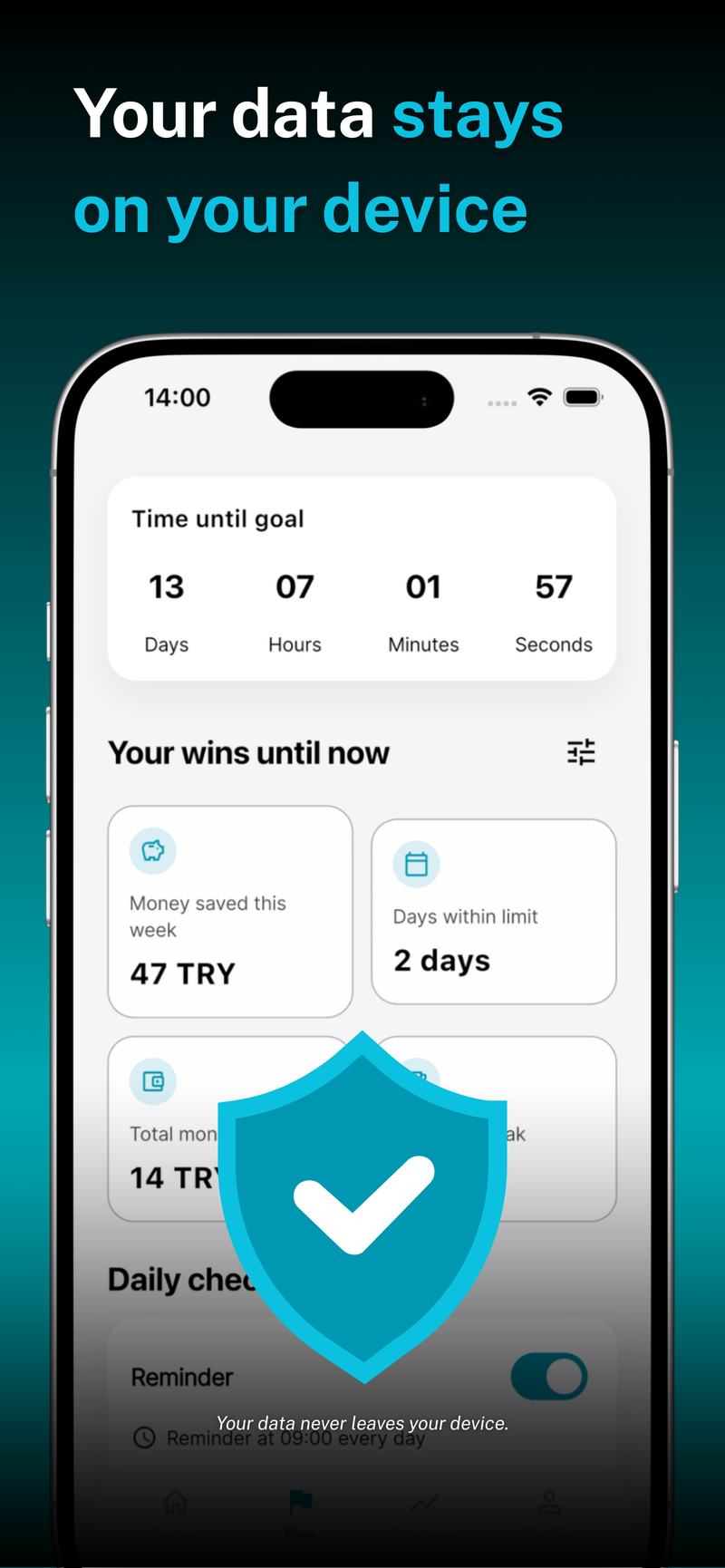
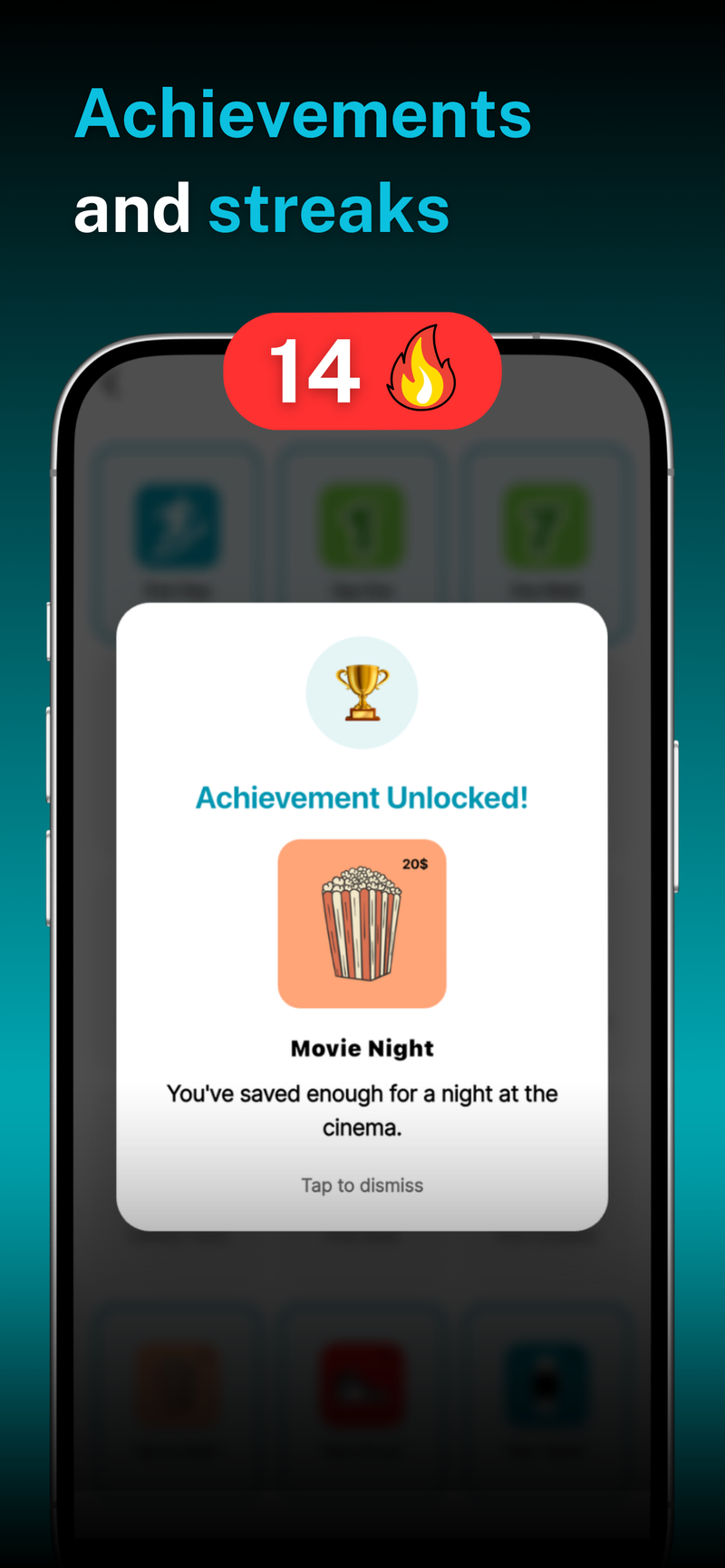
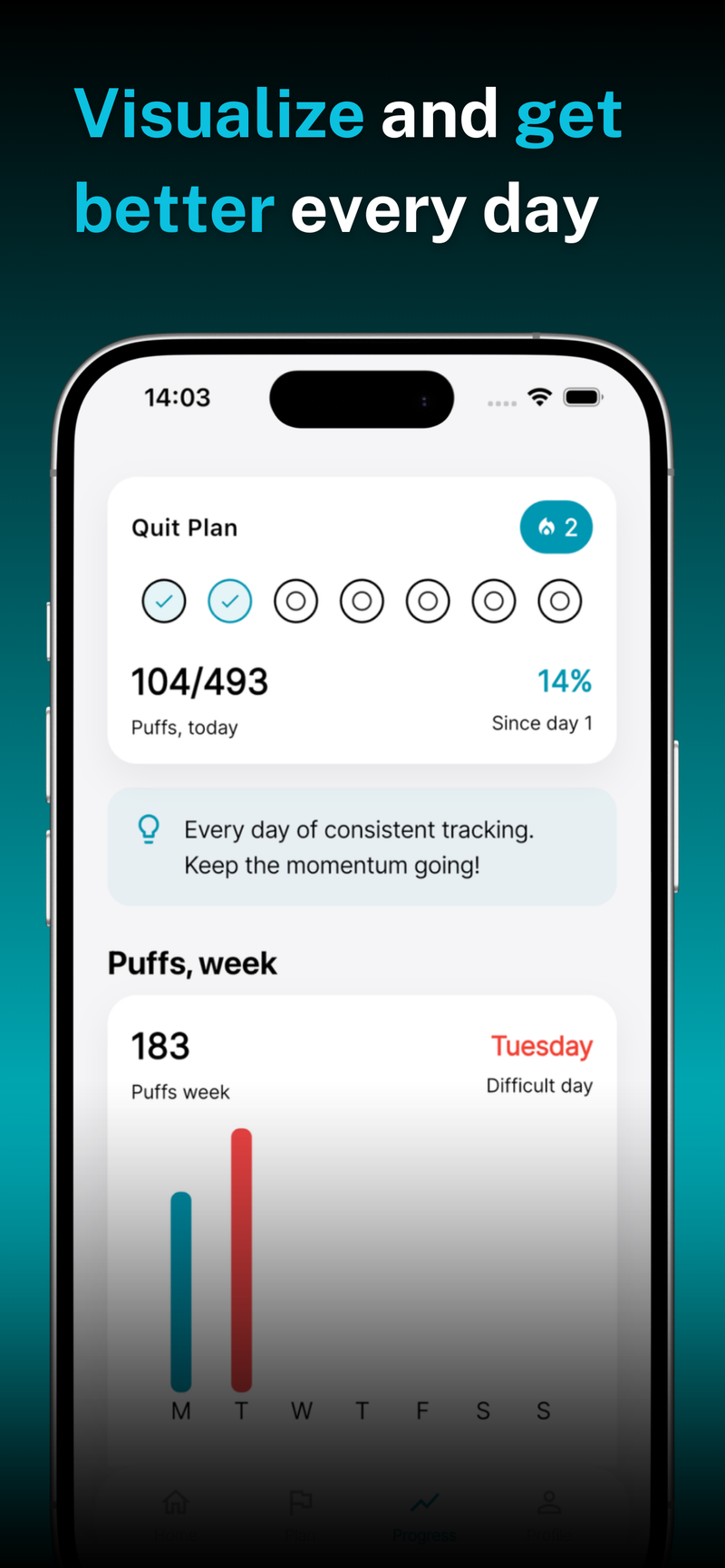
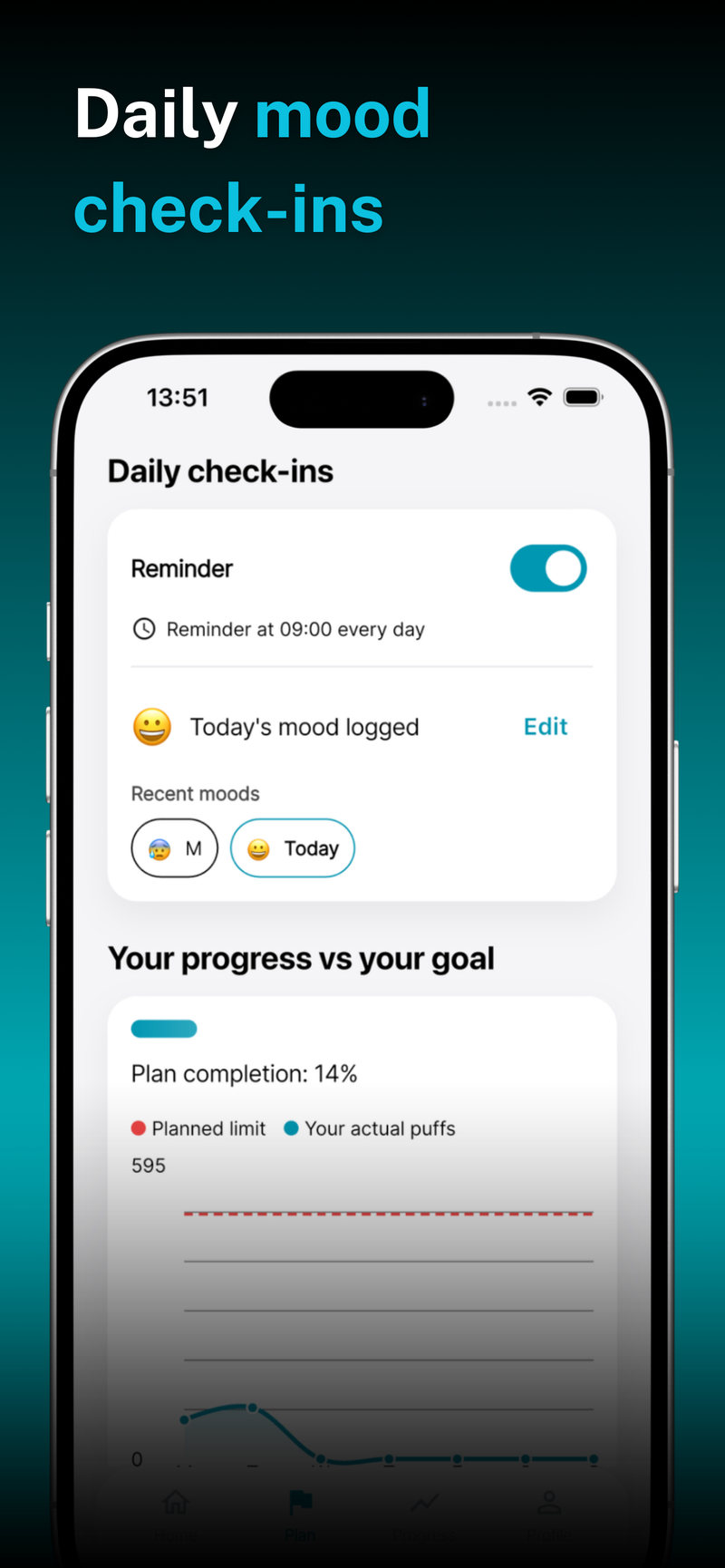
If you’re looking for a guided, structured approach to support this journey, Quit Smoking & Vaping can help with this through Fokus Puff – User-Facing Features, including onboarding and personal setup to tailor your quit or reduction plan. This kind of structured support helps you choose your product type, set a main goal, define a target timeline, and track your progress—so you’re not tackling cravings alone.
💪 Onboarding & Personal Setup