
·Budgeting
Ways to Budget a Family Vacation Without Breaking the Bank
Plan a family getaway without the stress of overspending. This guide Walks you through setting a budget, estimating costs, and saving progressively, with practical steps to keep trips affordable and enjoyable for everyone.
familybudgetingtravelpersonal-financefrugality
Introduction
Planning a family vacation can feel exciting—and overwhelming. You want meaningful experiences for everyone, not debt or stress when you return home. The secret isn’t finding a miracle deal; it’s building a realistic plan, sticking to it, and making small, smart choices along the way.
Below is a practical approach you can start today. It blends goal setting, careful cost estimation, strategic saving, and value-driven decisions so you can enjoy the trip without breaking the bank.
Set a clear vacation budget goal
Define must-haves vs nice-to-haves
Pick dates and destinations with cost in mind
Set a hard target and a realistic timeline
Build a realistic cost estimate
Break costs into categories
Use a simple cost template
Tip: by listing each category, you can see exactly where you can trim without touching your non-negotiables.
Save and pay in advance
Create a dedicated vacation fund
Automate savings and hunt for deals
Maximize value, not compromise on experience
Choose accommodations strategically
Focus on free or low-cost activities
Food strategy that keeps costs reasonable
Manage the trip and unexpected costs
Build a safety cushion
Track progress and adjust
Practical steps you can start this week
1) Create a vacation fund and automate a transfer.2) List must-daves and nice-to-haves for your trip.3) Check shoulder-season dates for your desired destination.4) Build a lightweight cost-template and fill in the numbers.5) Set price alerts and compare lodging options across at least two platforms.
By combining clear goals, disciplined saving, and smart choices about when and where you travel, you can keep your family’s vacation experiences meaningful without overspending.
Conclusion
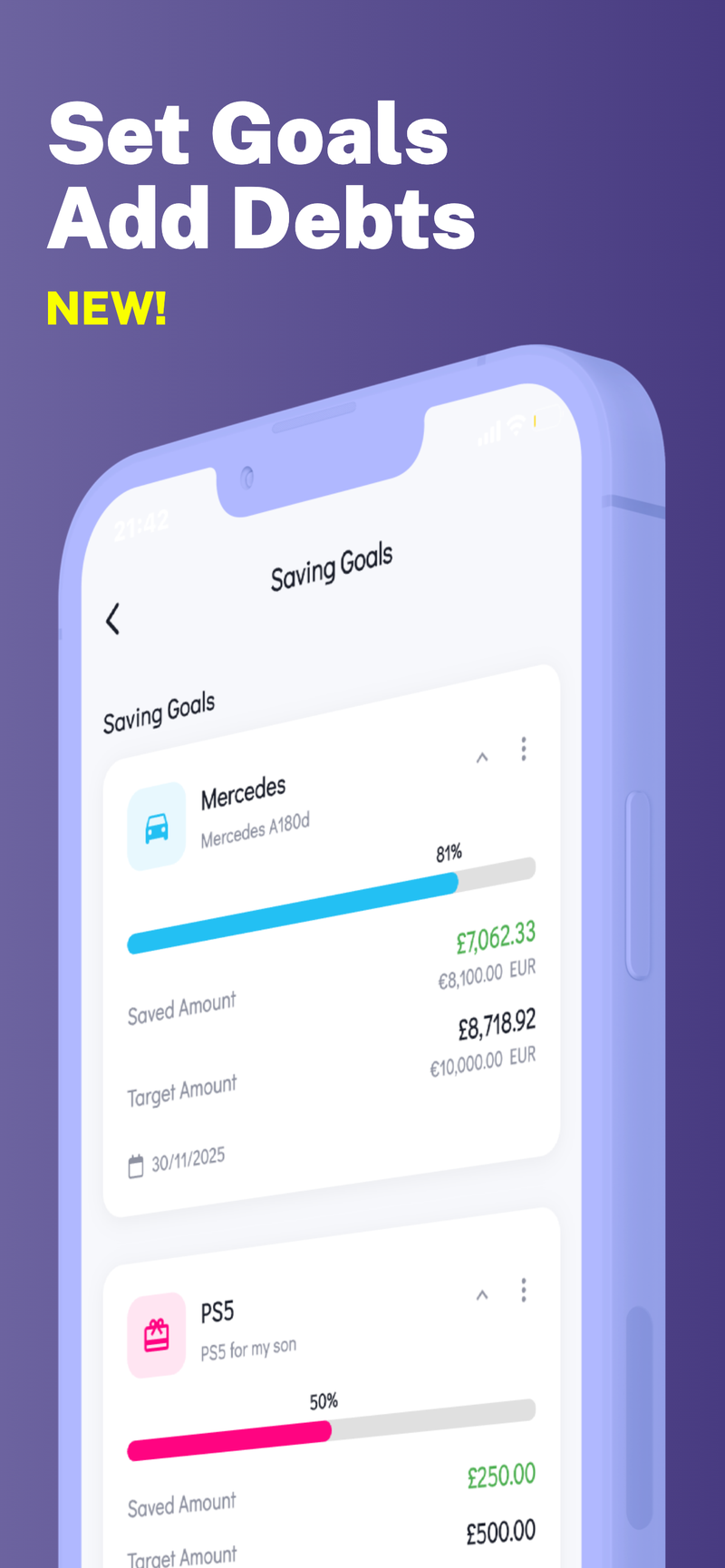
Planning a budget-friendly family vacation is about setting clear goals, estimating costs honestly, and saving consistently before you go. If you’d like a simple, private way to manage multiple family budgets, consider a dedicated personal-finance tool that supports multi-profile tracking and smart budgeting workflows. Fokus Budget can help with this, especially its Multi-Profile Support feature for coordinating different family finances in one place without mixing accounts. It’s a practical companion for planning, spending, and staying on track while you build memories together.




AI Receipt ScanningMulti-CurrencyBank ImportPrivacy-First
✨ Multi-Profile Support