
·Health
Track Cravings to Build Daily Quit Success: Practical
Cravings can derail quit attempts, but a simple tracking system can turn urges into actionable data. Learn practical steps to log cravings, identify triggers, and build daily routines that support lasting change.
smoking cessationquit smokingvaping cessationbehavioral strategiescraving management
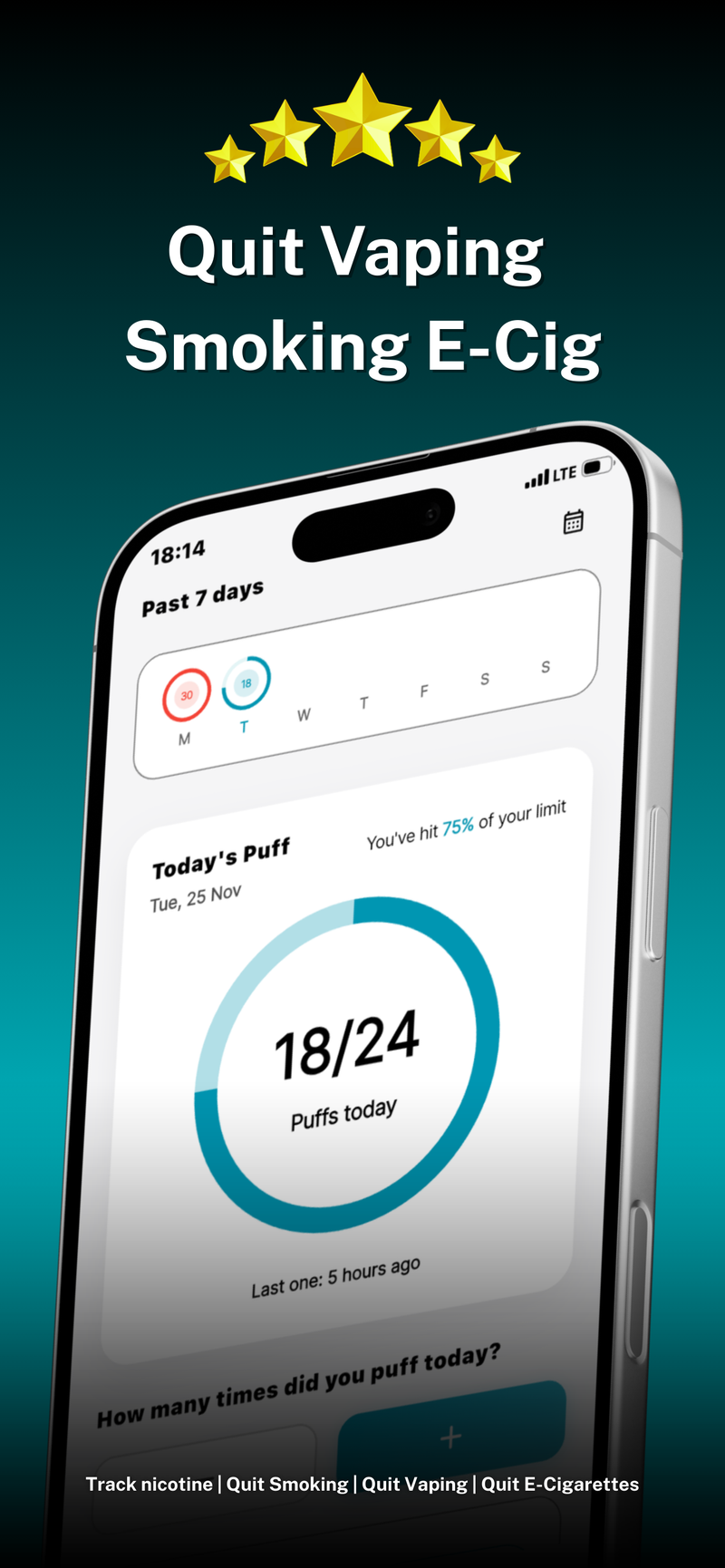
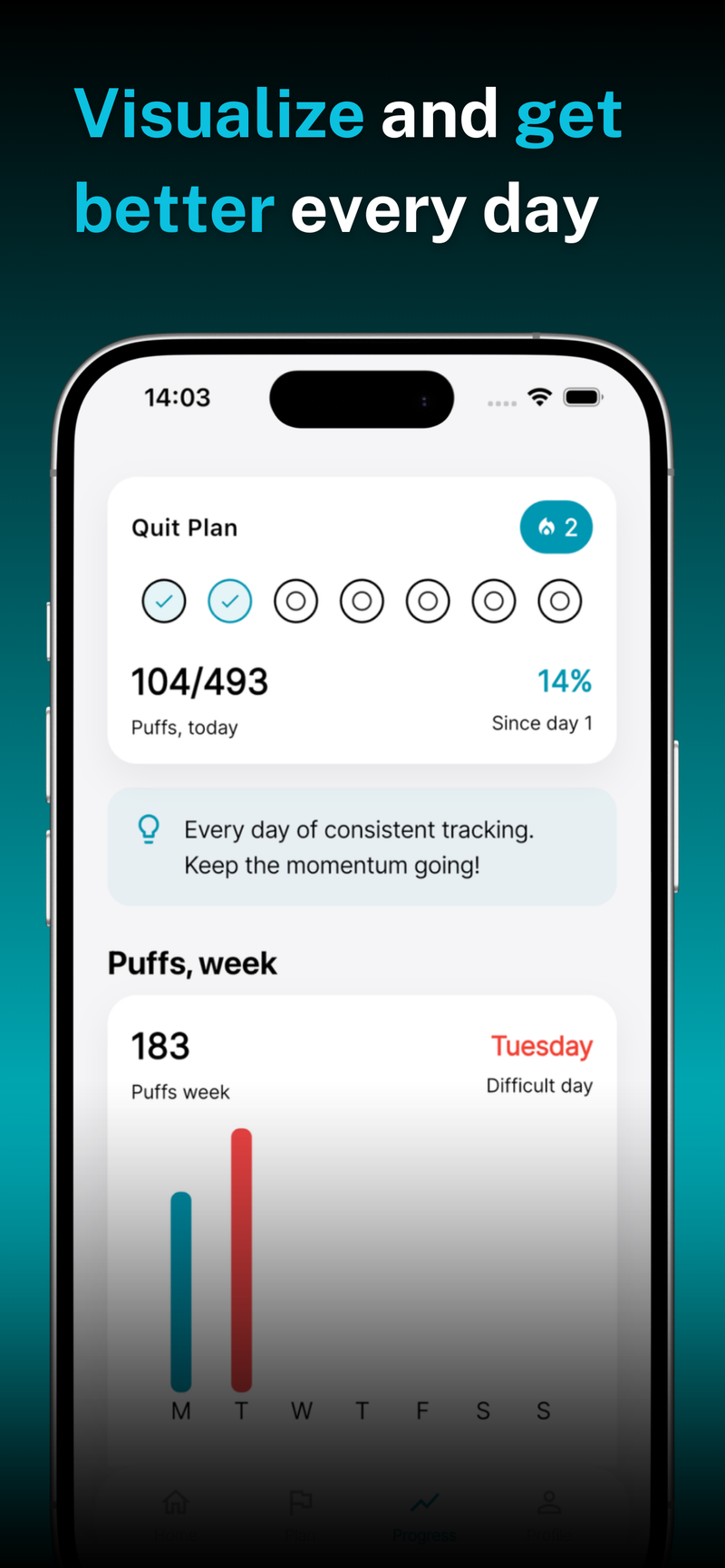
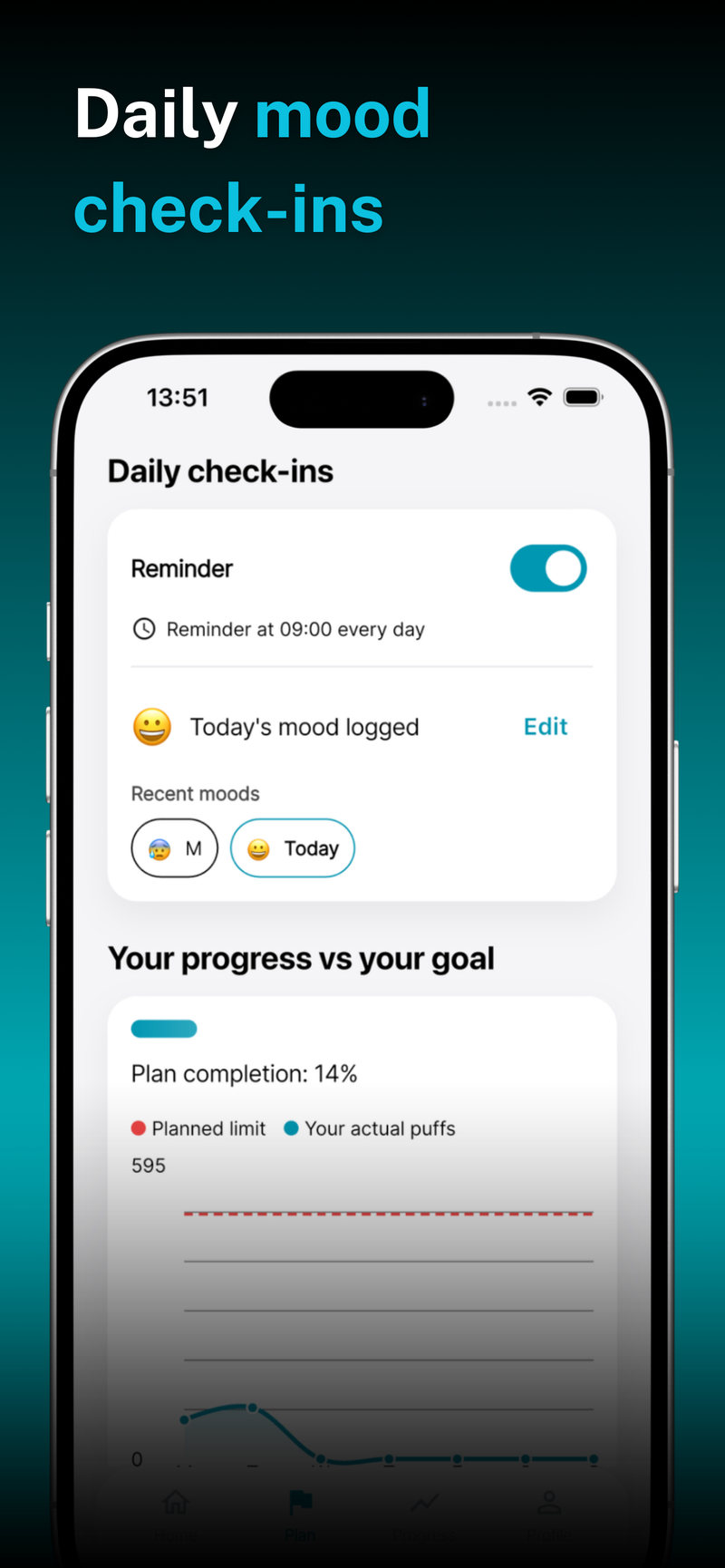
Introduction Cravings can feel like a stealthy opponent—sudden, intense, and easy to underestimate. You might wake up one morning determined, only to be knocked off course by a coffee break, a stressful moment, or a familiar routine. The truth is, most quit attempts fail not because you’re weak, but because cravings aren’t tracked and planned for. The good news: with a simple, repeatable system to track cravings and build daily quitting habits, you can turn urges into data you act on rather than impulse you follow. This guide offers practical strategies to observe cravings, understand patterns, and design a daily routine that supports lasting change. You’ll learn to log urges, identify triggers, and build micro-actions that reduce the power of cravings over time. ## Understanding Cravings ### What cravings are and how they show up Cravings are brief urges driven by nicotine withdrawal, habit, and emotion. They typically peak within a few minutes and fade if you ride them out or respond with a coping strategy. Common triggers include: - After meals - Morning routines or coffee - Social situations or stress - Access to a cigarette or vape device nearby ### The value of tracking cravings Tracking helps you see patterns you might miss in the moment. When you connect craving intensity with time, place, and mood, you start predicting high-risk moments and preparing effective responses. Research suggests that people who use craving-tracking and planning are more likely to maintain abstinence than those who rely on willpower alone. Even a simple 0–10 intensity scale can reveal meaningful patterns over a week or two. ### A quick reality check - Cravings last most often 3–5 minutes. - Early days carry higher intensity and frequency, which tends to taper with time and practice. - Personalizing coping strategies for your triggers increases success, not just willpower. ## Build a Practical Craving-Tracking System ### Start with a simple craving log Create a lightweight log you can use every day. Record these fields each time a craving hits: - Date and time - Intensity (0–10) - Trigger or situation (e.g., coffee break, stress, finishing a meal) - Location or activity (e.g., at home, driving, workdesk) - What you did to respond (delay, water, gum, walk, deep breath) - Outcome (urge faded or persisted) ### How to fill your log in 5 minutes 1) When a craving begins, pause and note the top 1–2 triggers. 2) Rate intensity quickly on a 0–10 scale. 3) Jot one coping action you used. 4) Mark the outcome and what you’ll adjust next time. ### A 7-day starter routine - Day 1–2: Log every craving, even if it’s mild. Note triggers. - Day 3–4: Identify the two most common triggers. Plan a specific response for each. - Day 5–7: Add a brief reflection at night: which coping strategies worked, which didn’t, and why. ### Turn data into a plan After a week, review entries to find patterns. If after meals you crave a cigarette, schedule a 5-minute walk or a glass of water right after eating. If stress triggers urges, build a 2-minute breathing sequence you can do at your desk. The goal is not perfection but predictability—knowing what to do before the urge arrives. ## Daily Quit Routines That Actually Help ### 1) Morning check-in Spend 2–3 minutes visualizing your day without smoking or vaping. Identify your top 2 high-risk moments and pre-plan how you’ll handle them. ### 2) Pre-plan high-risk moments If you know coffee or driving amplifies urges, prepare alternatives in advance: herbal tea, a 5-minute walk, or a quick stretch routine. Keep a small “urge kit” with gum, water, or mints. ### 3) The 5-minute rule When a craving hits, commit to waiting 5 minutes. Often the urge subsides within this window, especially if you engage the coping action you planned. ### 4) Substitution and movement Hydration, breath work, quick stretches, or a short walk can interrupt the neural cue-behavior loop and reduce urge intensity over time. ### 5) Reward progress Celebrate small wins: a craving logged and conquered, a day without smoking, or a week completed. Rewards reinforce the habit you’re building, not the urge you’re fighting. ### 6) Daily and weekly reviews End-of-day notes: which cravings were strongest, what worked, and what to adjust. Weekly review: measure changes in craving intensity and frequency, and tweak your plan accordingly. ## Managing Triggers and Environments - Remove or reduce cues: lighter, ashtrays, and the cigarette case should be out of reach. - Create new rituals: pair coffee with a non-smoking activity, like a short walk or a stretch routine. - Change your context: if you smoke in the car, designate a no-smoking zone and keep a water bottle handy. - Build social support: tell friends or coworkers about your plan so they can support it, not tempt you. ## Measuring Progress and Adjusting Your Plan - Track both cravings and successful responses to see what actually helps. - Notice patterns: certain times of day or places may consistently spark urges. Plan a targeted response for those moments. - Set micro-goals: reduce daily puffs or cigarettes by a small amount each week rather than aiming for complete abstinence from day one. - Use data to adapt: if a method stops working after a few days, switch strategies or combine approaches (breathing plus movement, for example). ## Real-Life Scenario Jess began by logging every craving for two weeks. She found that after coffee and during work transitions, urges spiked to 7–9 on her scale. She introduced a 2-minute stretch and a glass of water immediately after coffee and during shift changes. Within three weeks, her average craving intensity dropped, and days without a cigarette increased from 3 to 6 per week. Small, consistent changes built momentum without overwhelming her. ## Conclusion Craving tracking isn’t about counting every moment you slip; it’s about turning urges into actionable data that guides your daily actions. By pairing a simple log with pre-planned r
Daily MotivationProgress TrackingHealth MilestonesMoney Saved
💪 Onboarding & Personal Setup