Introduction
Quitting smoking or vaping is a bold, hopeful decision. Yet the first weeks often come with sleepless nights, restless legs, and waking up craving a cigarette. If you’ve ever felt drained, irritable, or stuck in a cycle of wakeful nights during withdrawal, you’re not alone. Sleep problems are one of the most common hurdles in quitting, and improving sleep can make the whole process feel more doable.
Recent research suggests that sleep disturbances are a feature of nicotine withdrawal for many people in the first week or two. Estimates range from 60 to 80 percent reporting some sleep disruption during this period. The good news is that targeted sleep strategies can reduce those disruptions, lower cravings at night, and help you wake up with more energy for the day ahead.
This article shares actionable, realistic steps you can start tonight. The goal is not perfection but consistency: small adjustments that improve the quality and duration of your sleep while your body adjusts to life without nicotine.
Main Content
Why sleep gets disrupted during withdrawal
Nicotine is a stimulant that influences brain chemistry and circadian rhythms. When you stop using nicotine, your brain must rebalance, which can lead to trouble falling asleep, staying asleep, or early morning wakeups.Withdrawal also increases irritability, anxiety, and cravings, all of which can keep your mind active at night.Stress hormones may spike after quitting, which can further disrupt sleep patterns. Understanding this helps you approach sleep as a practical skill, not a sign of failure.Practical sleep strategies you can start tonight
#### 1) Establish a consistent sleep routine
Pick a wake time you can stick to every day, even on weekends.Decide on a regular bedtime that allows 7–9 hours of sleep, and aim to keep it within a 30-minute window.Create a wind-down ritual that lasts about 60 minutes before bed (dim lights, light stretching, a warm bath, or a few pages of a book).#### 2) Optimize your sleep environment
Keep your bedroom cool, around 60–67°F (15–19°C).Use heavy curtains or an eye mask to block light; consider white noise if sounds wake you.Remove bright screens from the bed area; if you must use devices, enable a night mode and dim the screen well before bed.#### 3) Mind what you drink and eat
Limit caffeine after early afternoon; caffeine can linger and disrupt sleep for many people.Avoid large meals and spicy or acidic foods within a few hours of bedtime.Stay hydrated, but reduce fluid intake right before bed to minimize nighttime trips to the bathroom.#### 4) Get moving — at the right times
Regular exercise supports better sleep, but try to finish vigorous workouts at least 3 hours before bed.Gentle activities like a 20–30 minute walk after dinner can help release tension and promote sleepiness.#### 5) Use daytime strategies to curb nighttime cravings
If cravings wake you at night, try a short, non nicotine replacement method like a glass of water, a few slow breaths, or light stretching.Keep a small intake of sleep-supporting options such as herbal tea (caffeine-free) or warm milk if you tolerate dairy; avoid alcohol, which can fragment sleep.Maintain a regular daylight routine; exposure to natural light in the morning helps regulate your internal clock.#### 6) Consider gentle sleep aids only with care
If sleep remains poor for more than a couple of weeks, consult a clinician about safe options. Avoid relying on sedation or over-the-counter remedies long term without guidance.Coping with common withdrawal symptoms at night
insomnia: practice controlled breathing or progressive muscle relaxation for 10 minutes before bed.irritability: write a quick reflection in a journal, noting that cravings will pass and you are choosing rest.cravings: create a small, physical cue for sleep like a bedtime ritual or a comforting scent; remind yourself that sleep is a priority.vivid dreams: keep a consistent sleep schedule and avoid stimulating content before bed to help balance dream activity.A simple 7-day sleep-focused quit plan
Day 1: Set a quit intention and pick a firm wake time. Begin a wind-down routine 60 minutes before bed.Day 2: Tidy the bedroom to optimize sleep conditions; dim the lights earlier.Day 3: Limit caffeine after noon; swap late-night snacks for light options like yogurt or fruit.Day 4: Add a 20-minute daytime walk and a brief evening stretch.Day 5: Reduce screens in the hour before bed; try a calming activity like reading.Day 6: Hydration check — drink water throughout the day and taper toward bedtime.Day 7: Reflect on what helped most; adjust bedtime by 15 minutes earlier if sleep still feels off.Conclusion
Improving sleep won’t erase nicotine withdrawal dreams or cravings, but it can soften the rough edges and create room for your body to adapt. By prioritizing a regular schedule, a calm wind-down, and a sleep-friendly environment, you support both your physical recovery and your mental resolve to quit.
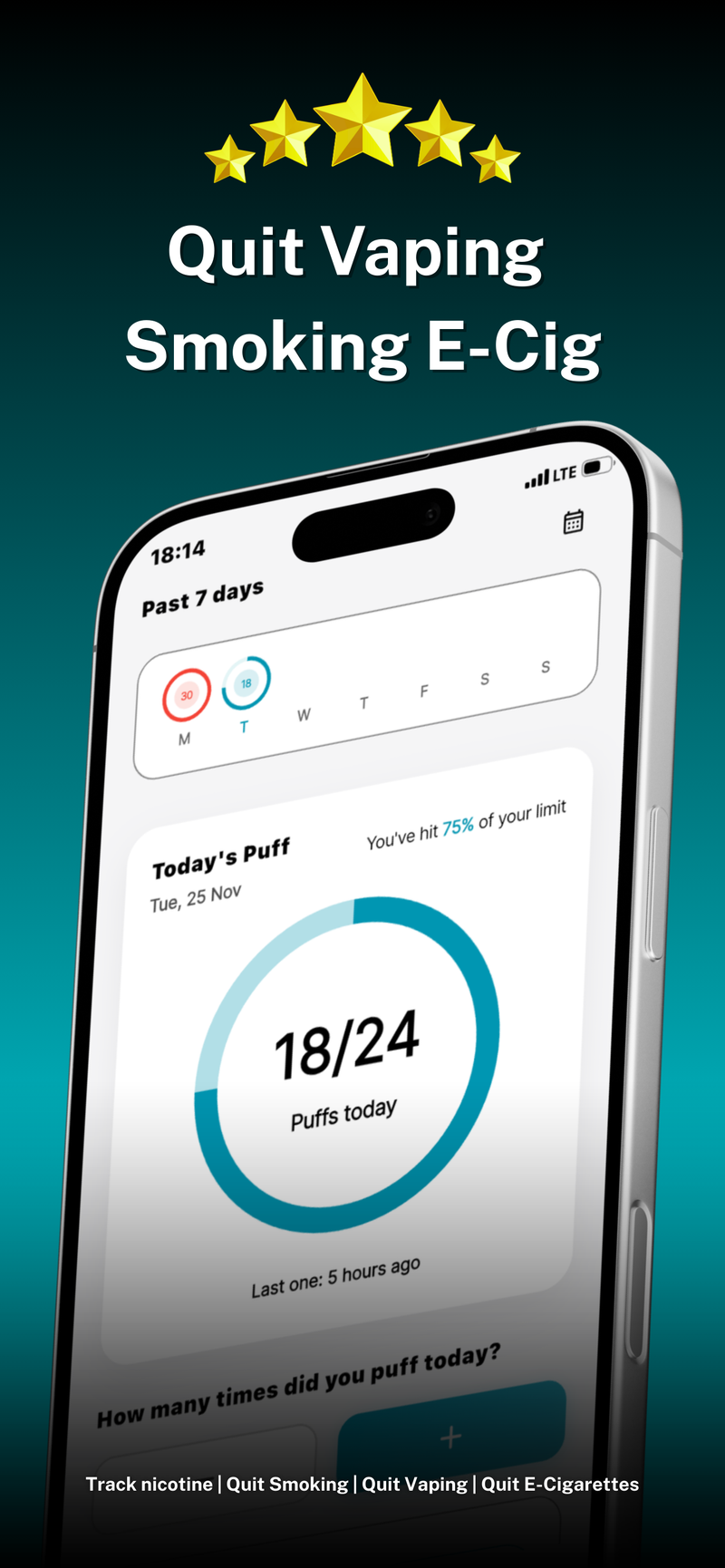
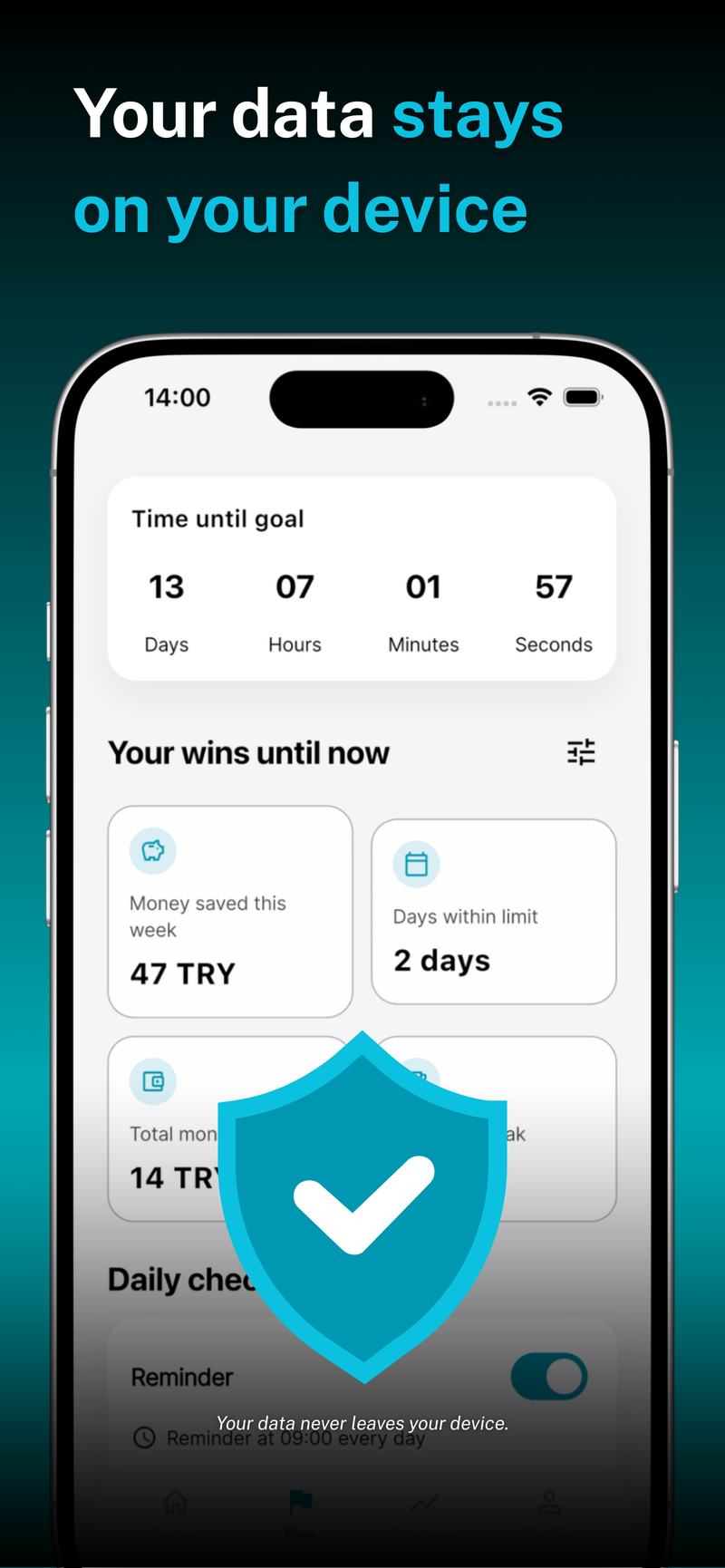
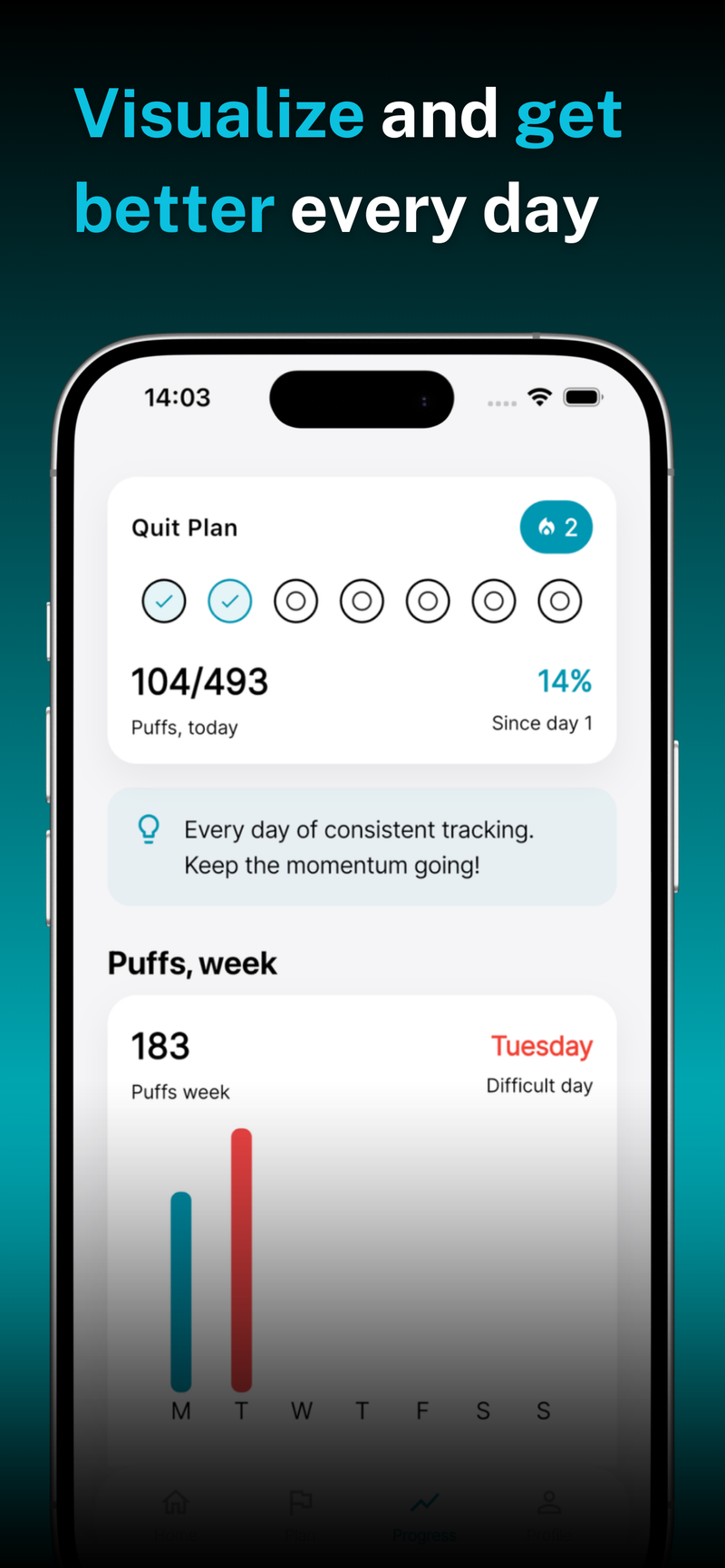
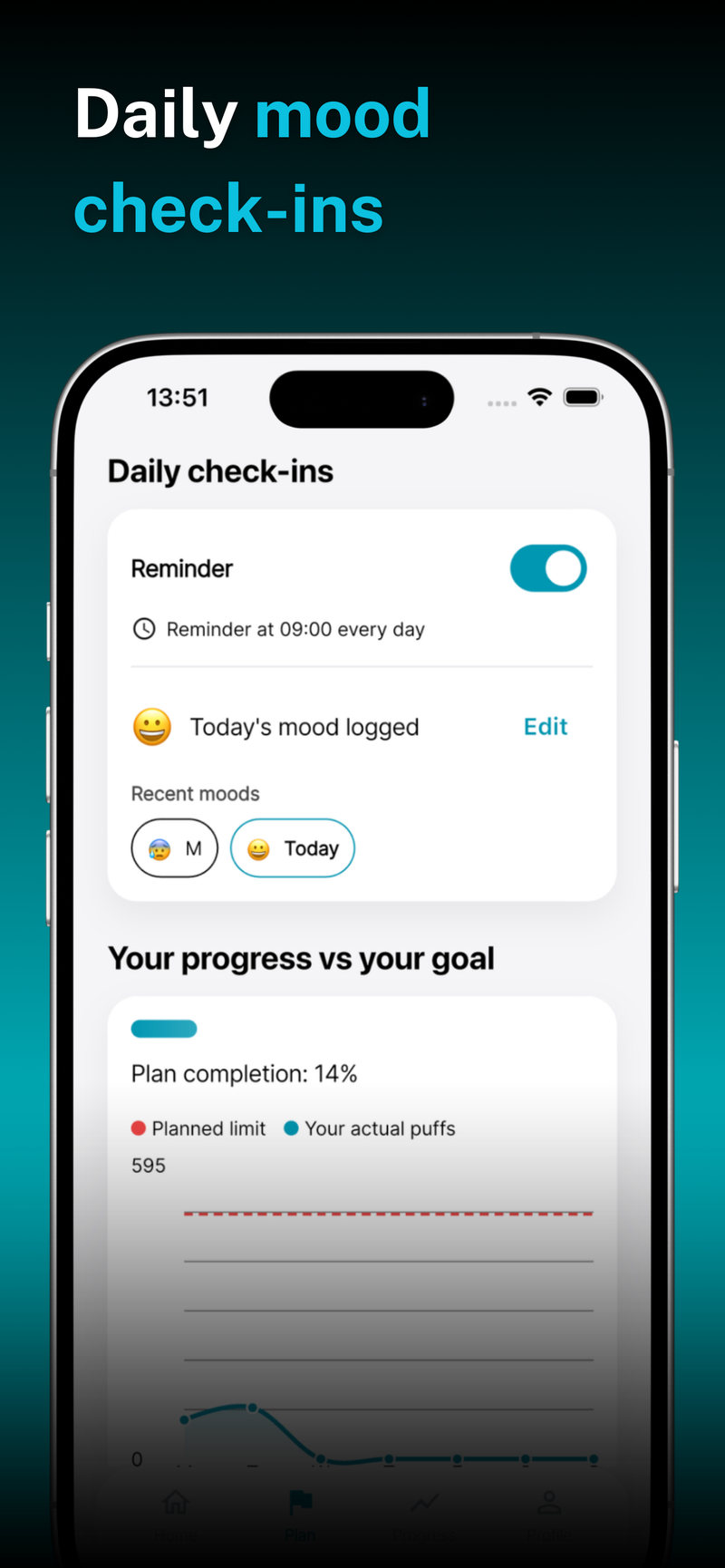
If you’re seeking a guided framework to tailor these steps to your situation, Quit Smoking & Vaping can help with this. It offers onboarding and personal setup to create a personalized quit plan, including choosing your product type, defining your main goal, setting a target timeline, and tracking daily use and costs. This can help you stay consistent as you work toward better sleep and a healthier you.