
·Health
Replace Urges with Healthy Habits: A Step-by-Step Plan
Cravings to smoke or vape can feel overwhelming, but you can replace urges with healthier, repeatable habits. This practical guide offers steps, tools, and routines to rewire your day and build lasting resilience. It emphasizes actionable, real-world strategies you can start today.
smoking cessationhabit changeurge managementwellnessself-help
Introduction Cravings to smoke or vape often arrive with clockwork precision: a morning routine, a coffee break, a stressful moment, or a social gathering. You may want to quit, but urges can feel automatic, like a reflex you can’t override. The good news: you don’t have to fight cravings with willpower alone. A deliberate, step-by-step plan that replaces the cue and the routine with healthier actions can change the game. This guide focuses on turning urges into opportunities for healthier habits—small, repeatable actions that satisfy the brain without reactivating the old habit. Think of it as rewiring your daily rhythm rather than relying on sheer determination. ## Understanding urges and why they happen ### The habit loop Cravings are part of a habit loop: cue → routine → reward. A cue signals your brain to expect a familiar outcome. The routine is the act of smoking or vaping. The reward is the relief or feeling of reward your brain associates with that action. Over time, the loop strengthens, making it hard to break. ### Why urges spike - Stress or emotions: anxiety, frustration, or sadness can intensify cravings. - Environmental cues: seeing a cigarette pack, vape devices, or certain social settings. - Physical triggers: caffeine, alcohol, or a low level of nicotine that your body has grown accustomed to. ## Step-by-step plan to replace urges with healthy habits ### 1. Map your triggers - Keep a simple trigger log for one week: note the time, location, mood, and what you did right before the urge. - Identify patterns (e.g., after meals, during coffee breaks, at social events). - Use the data to predict high-risk moments and plan alternatives. ### 2. Build a replacement toolkit Create a ready-to-use set of actions to substitute the habit: - Hydration: a glass of water or herbal tea. - Quick physical activity: 2–5 minutes of light stretching or a brisk 5-minute walk. - Alternative objects: stress ball, fidget toy, or gum when appropriate. - Mindful breathing: 4-second inhale, 6-second exhale (repeat 5 times). - Distraction: a short, engaging activity (puzzle, quick chore, or phone-free stretch). ### 3. Prepare your environment - Remove obvious cues: discard lighters, ashtrays, and empty vape cartridges from easy reach. - Pack your pocket with substitutes: a bottle of water, gum, and a small notepad for quick journaling. - Adjust routines that trigger cravings: if coffee triggers urges, swap the beverage or drink it slowly with a non-nicotine ritual. ### 4. Create a high-risk moment routine Plan a specific action to take during known triggers: - After meals: take a 5–10 minute walk or do a brief “post-meal stretch” routine. - During breaks: stand up, do 10 deep breaths, and drink water instead of reaching for a cigarette or vape. - Social events: arrive early, set a support buddy, and have a non-smoking activity lined up. ### 5. Practice urge surfing Urges come and go like waves. Learn to ride them instead of reacting: 1) Acknowledge the urge without judgment. 2) Breathe and delay: wait 5 minutes before deciding on action. 3) Choose your replacement action (kit in step 2) and commit for the next 10 minutes. 4) If the urge returns, repeat the delay and the chosen action. Most urges peak within a few minutes and then fade. ### 6. Stress management as a daily practice Chronic stress fuels cravings. Build a mini toolkit: - Short mindfulness or meditation (5–10 minutes daily). - Progressive muscle relaxation (start at the feet, move upward). - Regular physical activity (even a 20-minute walk counts). ### 7. Sleep, nutrition, and hydration - Sleep: aim for consistent sleep times; fatigue increases susceptibility to cravings. - Nutrition: balanced meals stabilize mood and energy; avoid long gaps between meals. - Hydration: dehydration can mimic cravings—sip water regularly. ### 8. Social support and accountability - Tell trusted friends or family about your plan and ask for check-ins. - Consider a support partner for daily encouragement or a 30-day check-in routine. - If you attend social events, plan non-nicotine activities and have an exit strategy if cravings spike. ### 9. Track progress and adjust - Weekly review: note which strategies worked and which didn’t. - Tweak your trigger map and toolkit accordingly. - Set micro-goals (e.g., “this week I’ll skip the 3pm smoke break and replace it with a 5-minute walk”). ### 10. Build long-term resilience - Revisit your reasons for quitting and celebrate small wins. - Create non-food rewards for milestones (a movie night, a new book, or a favorite activity). - Remember that slips happen; view them as feedback to strengthen your plan, not a failure. ## Practical tips for common triggers - Morning routine: replace the first cigarette with a glass of water and 5 minutes of stretch. - After meals: take a brisk 5-minute walk or do a quick breath-and-stretch sequence. - Coffee or alcohol moments: switch to tea or kombucha, and choose a non-nicotine ritual to pair with the drink. - Social settings: have a planned activity and a buddy for accountability. - Work stress: pause with 5 slow breaths and a 1-minute desk stretch before reaching for a cigarette or vape. ## Quick wins and daily routines - 5-minute box breathing: inhale 4, hold 2, exhale 6, repeat 5 rounds. - 2-minute pause: when a craving hits, pause, name the craving, and decide on the replacement action. - 10-minute movement break: a short walk, light stretching, and a glass of water. ## Conclusion Replacing urges with healthy habits is about designing a reliable routine that fits your life. By identifying triggers, building a substitution toolkit, preparing your environment, and practicing urge surfing, you give yourself real, doable moves that outcompete old patterns. With consistency, the number of cravings that lead back to smoking or vaping decreases over time, and your ability to choose healthier actions strengthens. If you’re looking for structured, personalized support to implement t
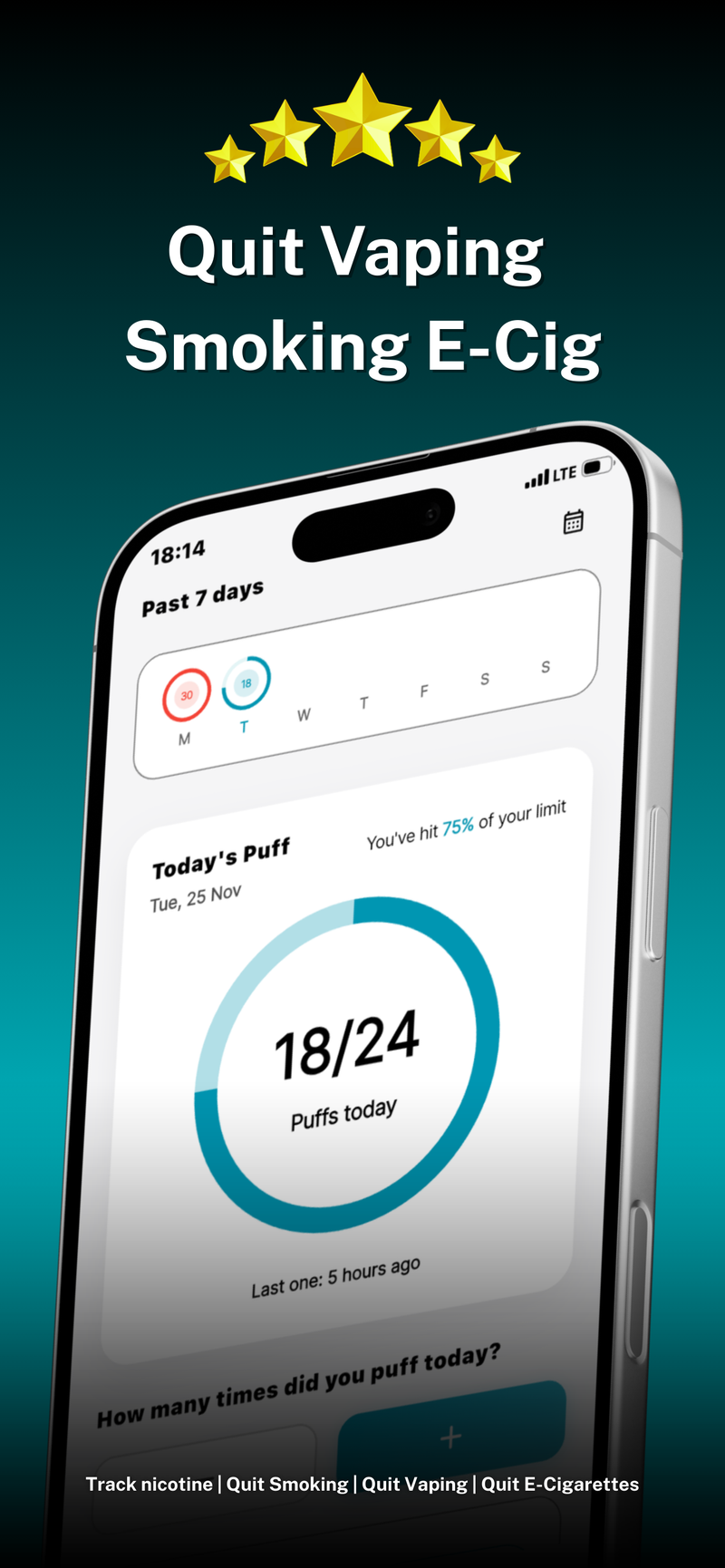
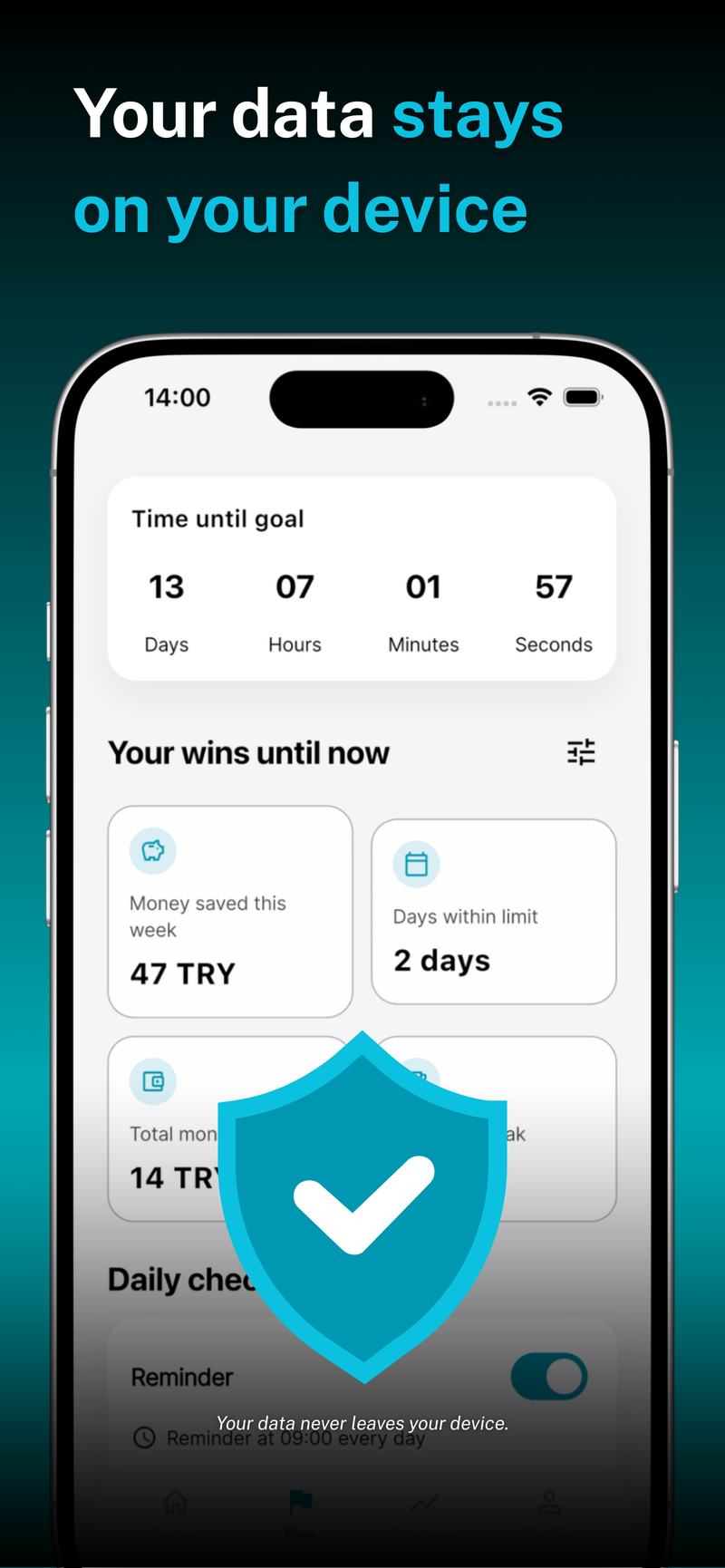
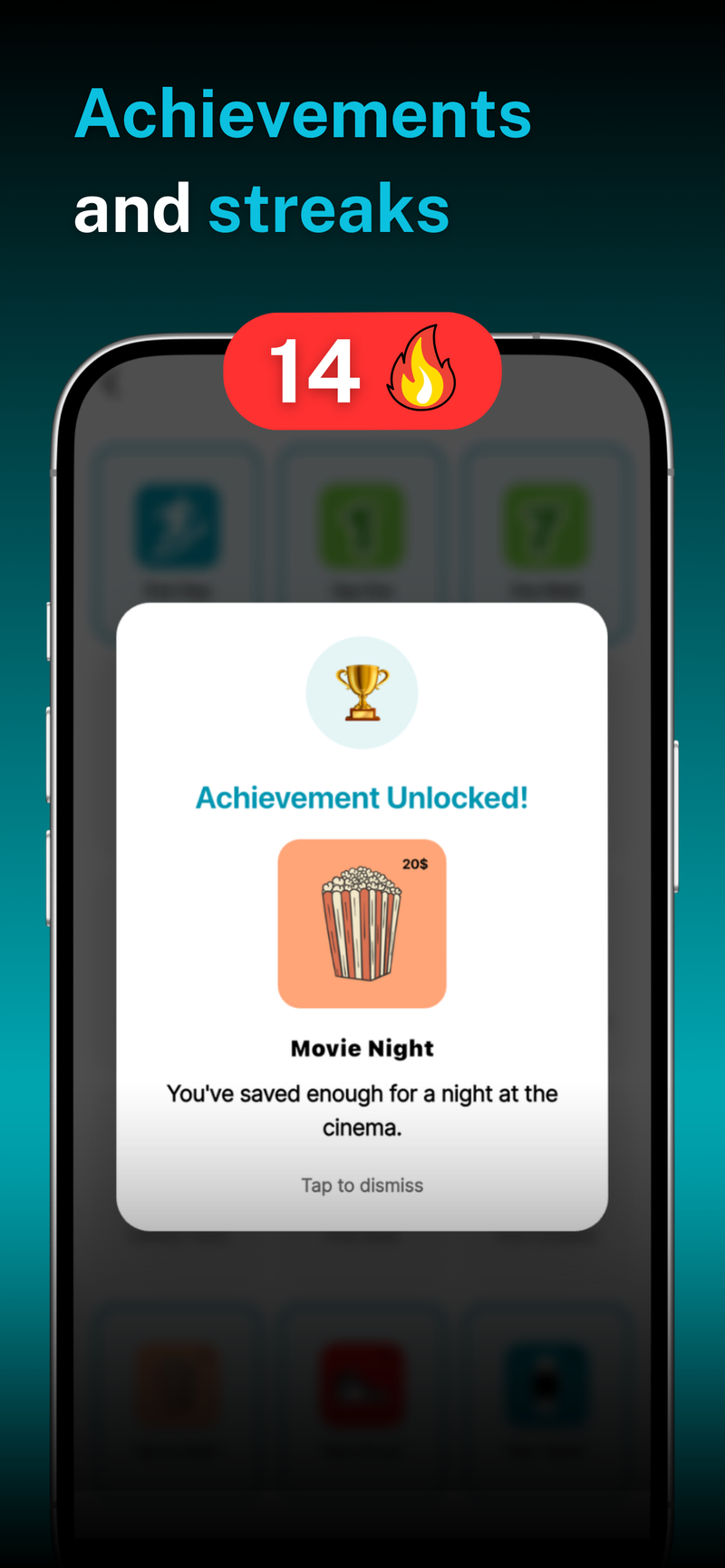
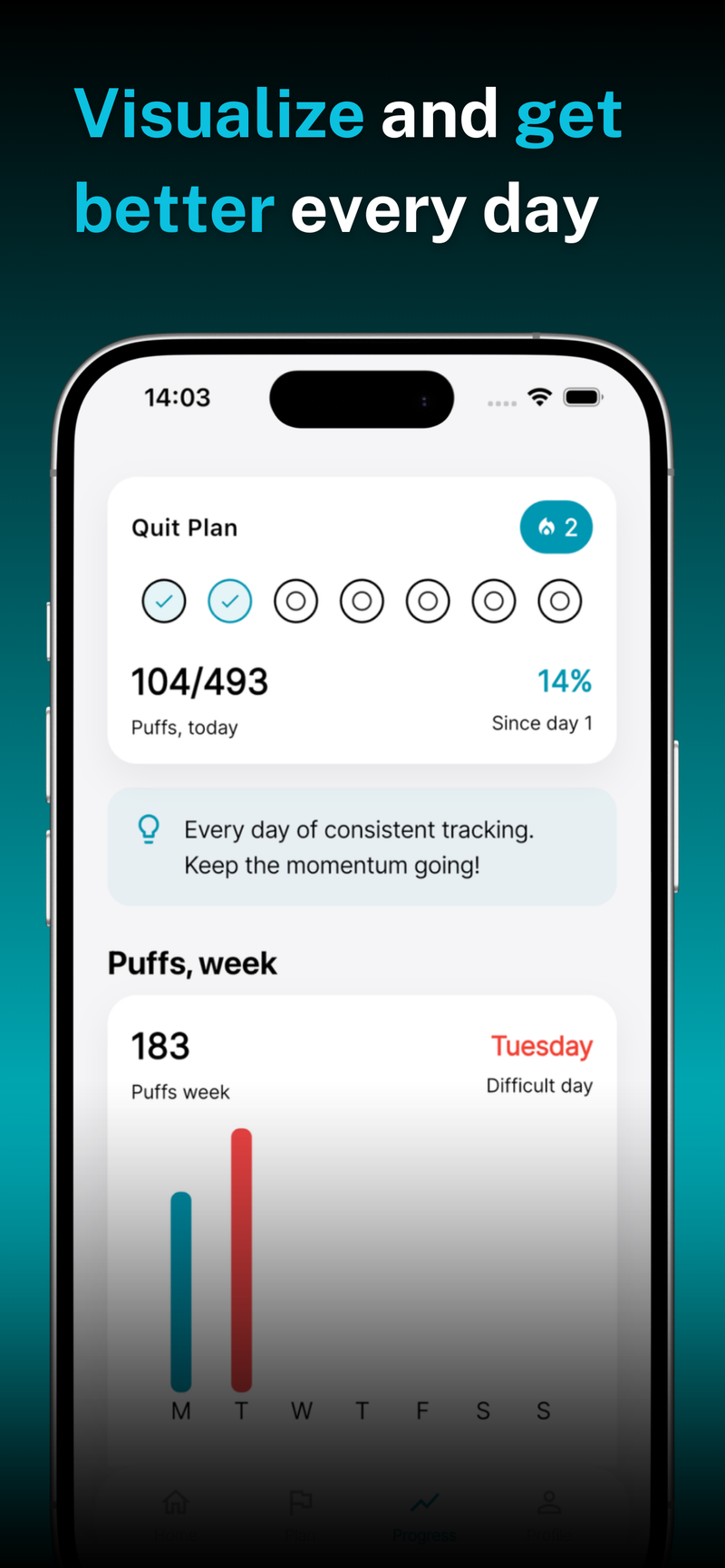
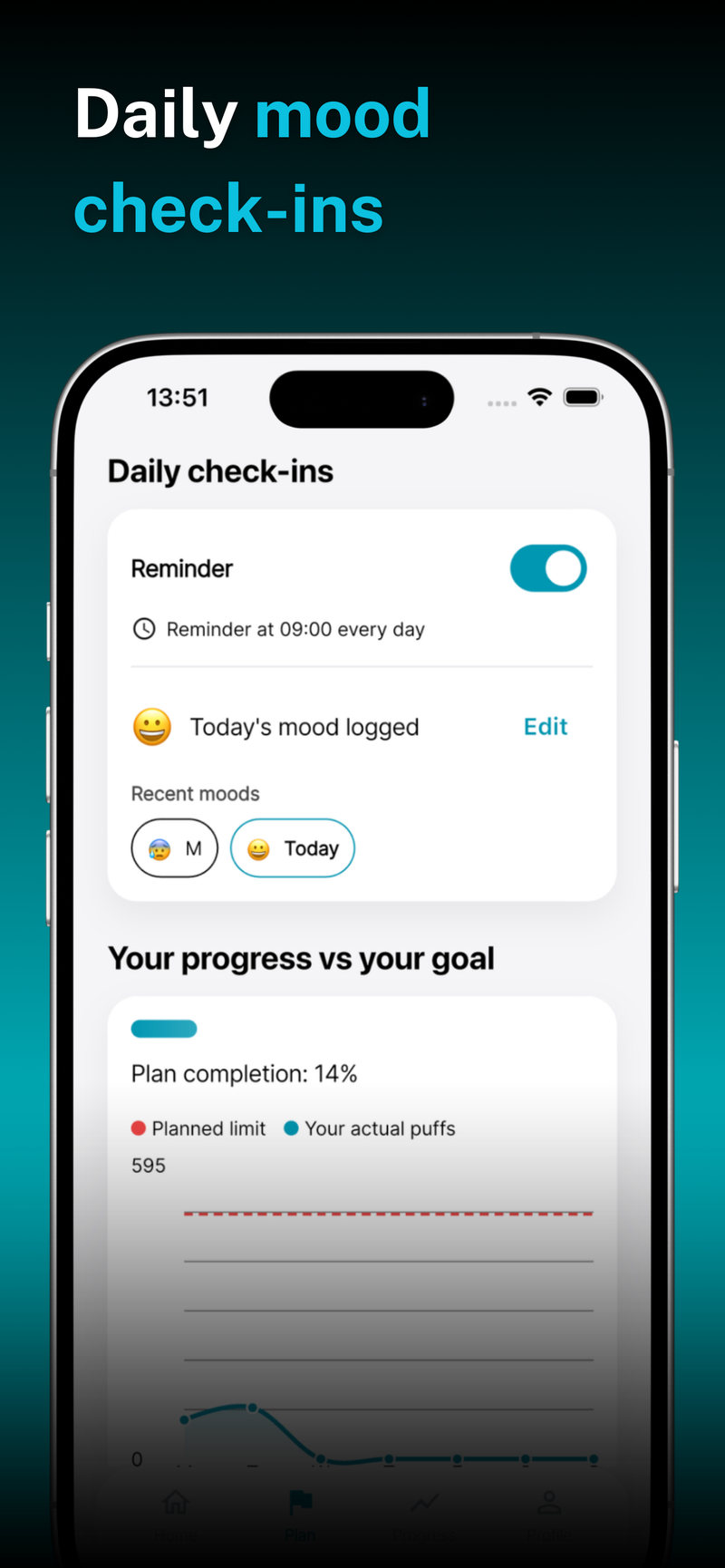
Daily MotivationProgress TrackingHealth MilestonesMoney Saved
💪 Personalized quit/reduction plan onboarding and timeline setup