
·Health
Practical Tactics to Prevent Relapse at Social Events
Social events are common relapse triggers. This guide offers practical, actionable tactics to plan ahead, manage cravings in the moment, and reflect after gatherings—helping you stay on track with quitting or reducing smoking and vaping.
smoking cessationvaping cessationcraving managementsocial situationsrelapse prevention
Introduction You’ve made a powerful decision to quit smoking or vaping. Yet every party, wedding, or casual hangout can feel like a trap. Social events bring together triggers—alcohol, peer pressure, old habits, and an environment that makes a nicotine urge feel almost inevitable. If you’ve ever left a gathering thinking, “I almost caved,” you’re not alone. The good news: with a plan, you can anticipate triggers, respond effectively, and keep your resolve intact. In this guide, you’ll find practical, step-by-step tactics you can apply before, during, and after social events. They’re designed to help you stay focused on your goal—whether you’re monitoring reductions or aiming for a full quit—without sounding preachy or restrictive. > Quick takeaway: relapse is often the result of a series of small, controllable choices. You don’t have to eliminate every trigger, but you can shorten the moments that tempt you and shift the outcome in your favor. ## Main Content ### H2: Plan before you walk in A solid pre-event plan reduces the cognitive load when you’re in the thick of it. Try these steps: - Define your goal for the event: Are you aiming to monitor and reduce, or to quit completely? Clarify your target so you can communicate it if needed. - Identify your top triggers: Is it after a drink, during a break, or when someone lights up near you? Knowing triggers helps you prepare alternatives. - Create a cope list you can actually use: breathwork, quick walk, chew gum or mints, or a small, non-smoking ritual (like rubbing a stress ball). - Choose a buddy or accountability cue: Agree with a friend to check in mid-event or to accompany you away from smoking zones for a few minutes. - Plan your first non-smoker response: “I’m taking a quick break outside to reset,” is simple and accepted in most social circles. ### H2: Turn triggers into safe moments during the event When the moment arrives, you’ll rely on concrete tactics rather than willpower alone: - Use a 5-minute delay rule: Tell yourself you’ll wait five minutes before deciding to smoke. Cravings peak quickly and often ease with a short pause. - Breathe purposefully: Inhale for four counts, hold for seven, exhale for eight (4-7-8). This calms the nervous system and reduces urgency. - Hydrate and snack strategically: A glass of water or a non-alcoholic drink can reduce pacing and give you a literal sip of distance from the urge. - Step outside or to a quiet spot: A 2- to 3-minute break can normalize the craving without giving it space to grow. - Replace the ritual: If you usually smoke after a meal or during a toast, substitute with a mint, a flavored toothpick, or even a refusal that’s practiced ahead of time. - Use a grounding cue: Hold a small object, a textured bracelet, or a stress ball to occupy your hands and mind. ### H2: Manage cravings in the moment Cravings are real, but they’re also fleeting. Use these practical moves: - Savor a flavor reset: Chew mint gum or sip a cold drink; the strong taste and sensation can interrupt the urge. - Focus on the environment, not the urge: Name five things you see, four you hear, three you feel. This cognitive shift weakens automatic nicotine thinking. - Keep your hands busy: Fidget toys, a pen, or a card game with a friend can provide a distraction and social interaction away from smoking zones. - Set a micro-goal: Tell yourself you’ll go the next 30 minutes without smoking. Sometimes the next 30 minutes is all you need to finish the event strong. - Manage alcohol wisely: Alcohol often amplifies cravings. Alternate alcoholic drinks with seltzer, water, or non-alcoholic options to reduce risk. ### H2: After the event: reflect and adjust Recovery is a process, and every event teaches you something: - Quick post-event review: Note which moments were hardest and what helped. Write down two effective strategies you used and one thing you’d adjust next time. - Normalize slips, don’t catastrophize: If you slip, analyze the trigger, not your self-worth. A single slip doesn’t erase progress. - Reinforce your plan: Schedule the next small, non-smoking victory. Consistency builds confidence and reduces relapse risk over time. - Build an ongoing support loop: Share your goals with a trusted person, join a support group, or set up recurring check-ins to stay accountable. ### H2: Extra strategies for challenging environments Social events vary a lot. Consider these adaptable approaches: - Alcohol-free networking: If networking is on the agenda, prepare a few conversation starters in advance and choose non-alcoholic beverages to keep a clear head. - If you’re around peers who smoke heavily: stand in a different section, invite them to do a quick activity break, or plan short, planned exits together. - During long events: Schedule micro-breaks every 60–90 minutes to reset, stretch, and review your plan. - Use “paired routines”: Pair a trusted habit (like brushing teeth or a short walk) with the moment you’d previously smoke, so the routine itself becomes a signal to stay quit. ### H2: Data-informed realism - Cravings often peak within the first few minutes and fade within about 10 minutes if you don’t “feed” them. Regularly practicing deliberate pauses can condition you to ride out urges. - Alcohol increases the likelihood of relapse; mindful drinking, pacing, and switching to non-alcoholic options can dramatically reduce risk. - Evidence-based strategies—such as combining planning, coping skills, social support, and relapse management—consistently improve quit attempts compared with willpower alone. ## Conclusion Relapse prevention at social events hinges on preparation, practical in-the-moment tools, and reflective learning after each outing. By planning triggers, employing quick coping strategies, and creating a supportive environment, you can protect your progress and emerge from gatherings with your goal intact. If you’re looking for structured guidance to tailor these tactics to your life, consider a guide
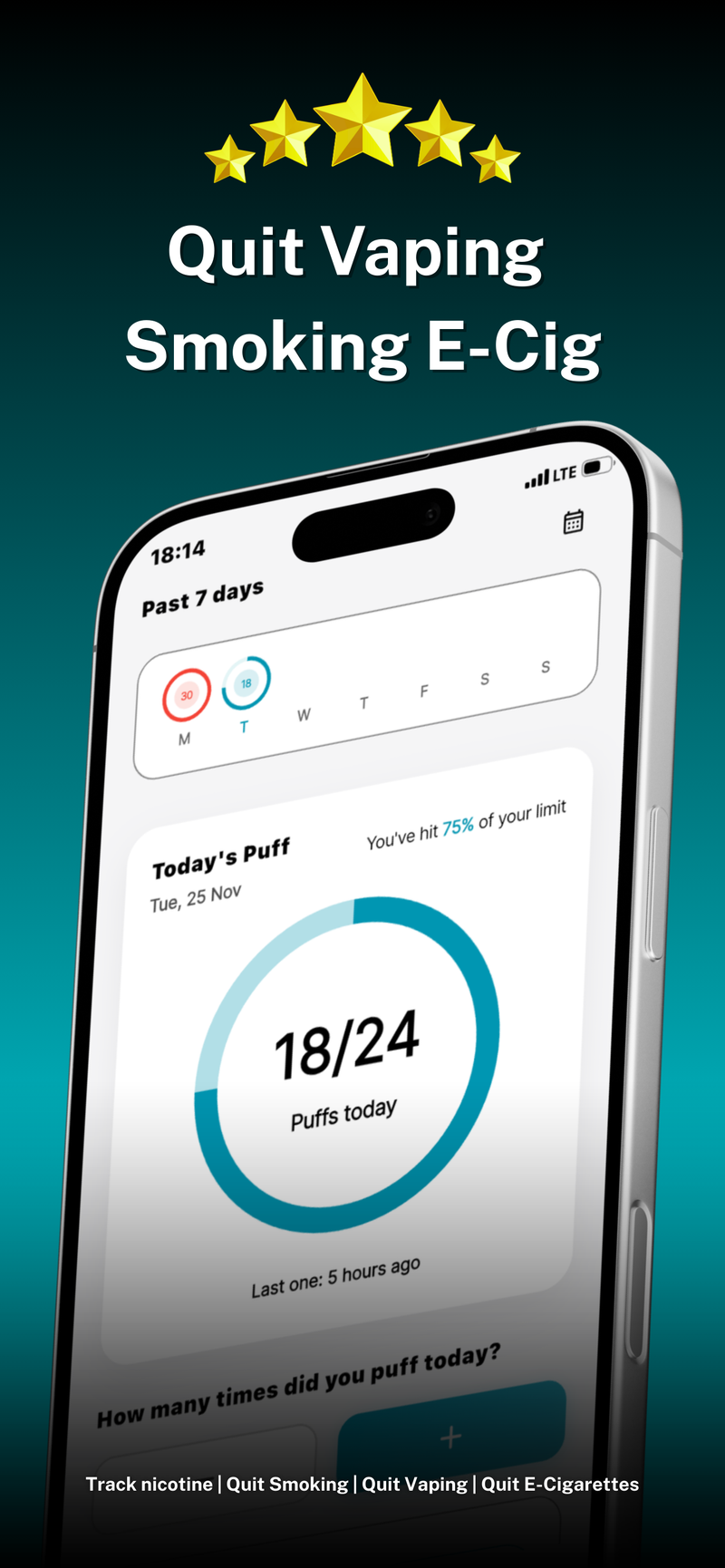
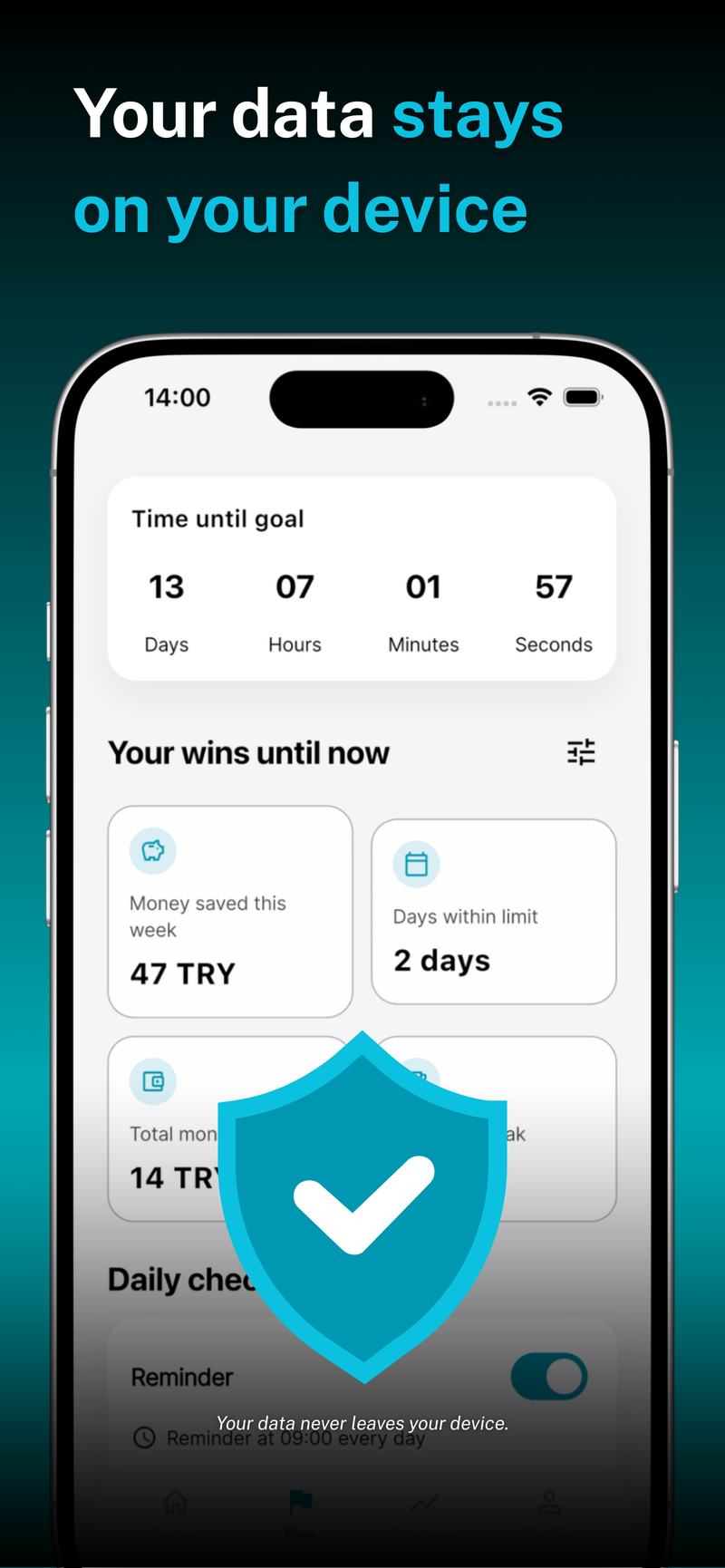
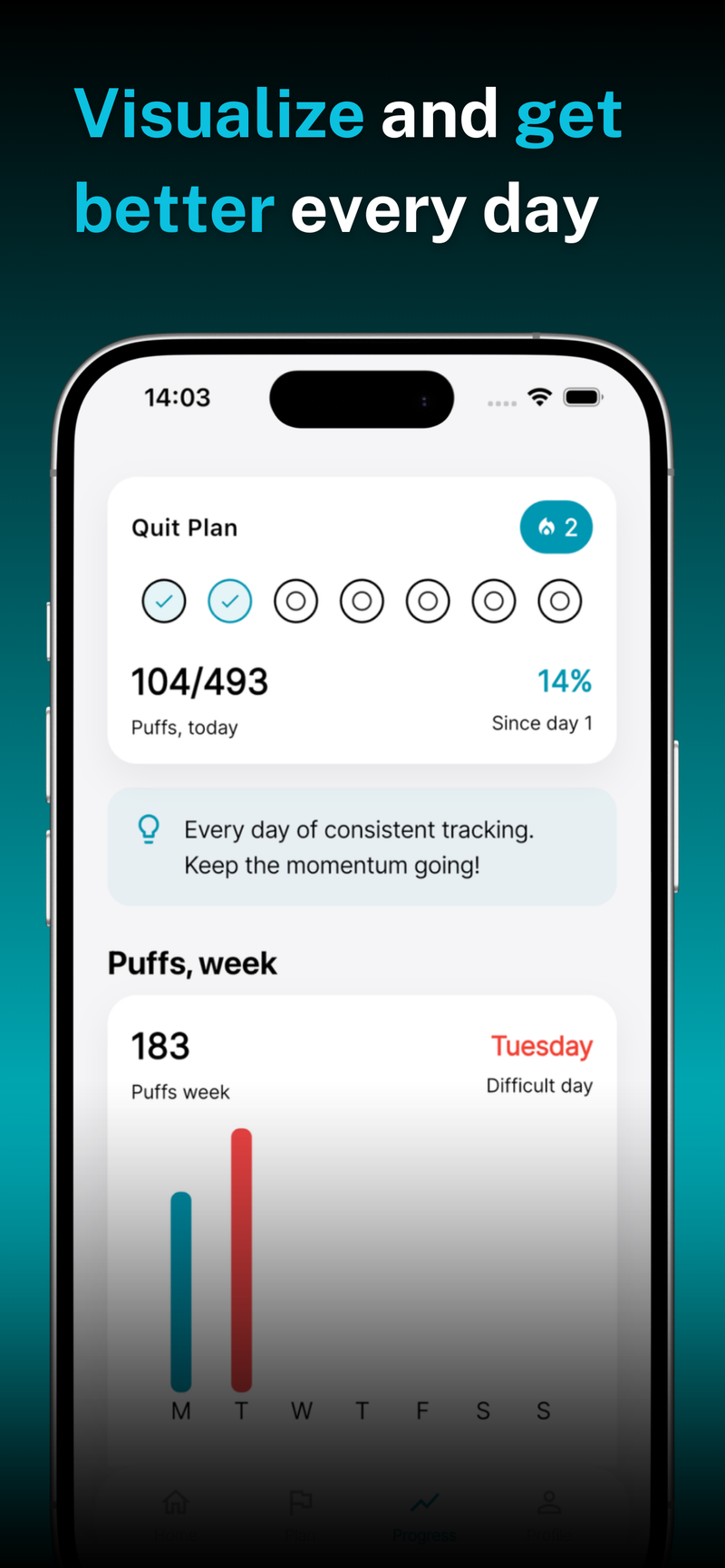
Daily MotivationProgress TrackingHealth MilestonesMoney Saved
💪 Personalized onboarding flow with a tailored quit plan