
Overcoming Social Pressure While Quitting Smoking Today
Quitting smoking or vaping is hard when social pressure bites back. This guide offers practical, field-tested strategies to handle triggers, rehearse declines, and build a support network so you can stay on track. Practical steps, scripts, and mindset shifts help you quit for good.
Introduction
Are you preparing to quit smoking or vaping but worry that social pressure will pull you back? You’re not alone. For many, the moment a group gathers, a colleague lights up, or a party starts is the exact cue that tests motivation. Quitting isn’t just about willpower; it’s about planning for the social moments that challenge you and building a support system that helps you stay true to your goal.
Smokers face real health risks every day. In the United States, smoking causes about 480,000 deaths each year, making it a leading cause of preventable illness. Yet the latest research also shows that quitting dramatically lowers risk: within about one year, the risk of coronary heart disease drops by roughly 50%, and within five years, stroke risk can approach that of a non-smoker. Understanding the stakes can strengthen your resolve when social pressures rise.
Understanding the social pressure
The social triggers you’ll encounter
Why social settings are so hard
Quitting changes your behavior, not just your habit. Your brain links certain people, places, and moments to the urge to smoke. When the environment signals, the craving can feel urgent, even if you’ve planned a healthier alternative.
Practical strategies to withstand social pressure
1) Set a clear goal and timeline
Choose your main objective: monitor & reduce or quit completely. Pick a target timeline that fits your life (e.g., 8–12 weeks) and write it down. A concrete plan reduces ambiguity when peers push you to “just have one.”
2) Prepare simple scripts to declining
Practice short, nonjudgmental responses:
Having a few phrases ready makes it easier to respond confidently in the moment.
3) Create non-smoker rituals to replace breaks
4) Build a support system
Identify 2–3 people who will cheer you on or join you in the quit attempt. Share your plan with them and ask for gentle accountability. Social support boosts success rates and reduces relapse risk.
5) Manage cravings with a practical toolkit
6) Adjust the environment
Remove obvious cues from your surroundings when possible (store away lighters, vape devices, and cartons). If you can’t, plan how you’ll handle them in the moment.
7) Prepare for slips, not punishment
Slip happens. Treat it as data, not defeat. Analyze what triggered it, adjust your plan, and move forward that day with a fresh commitment.
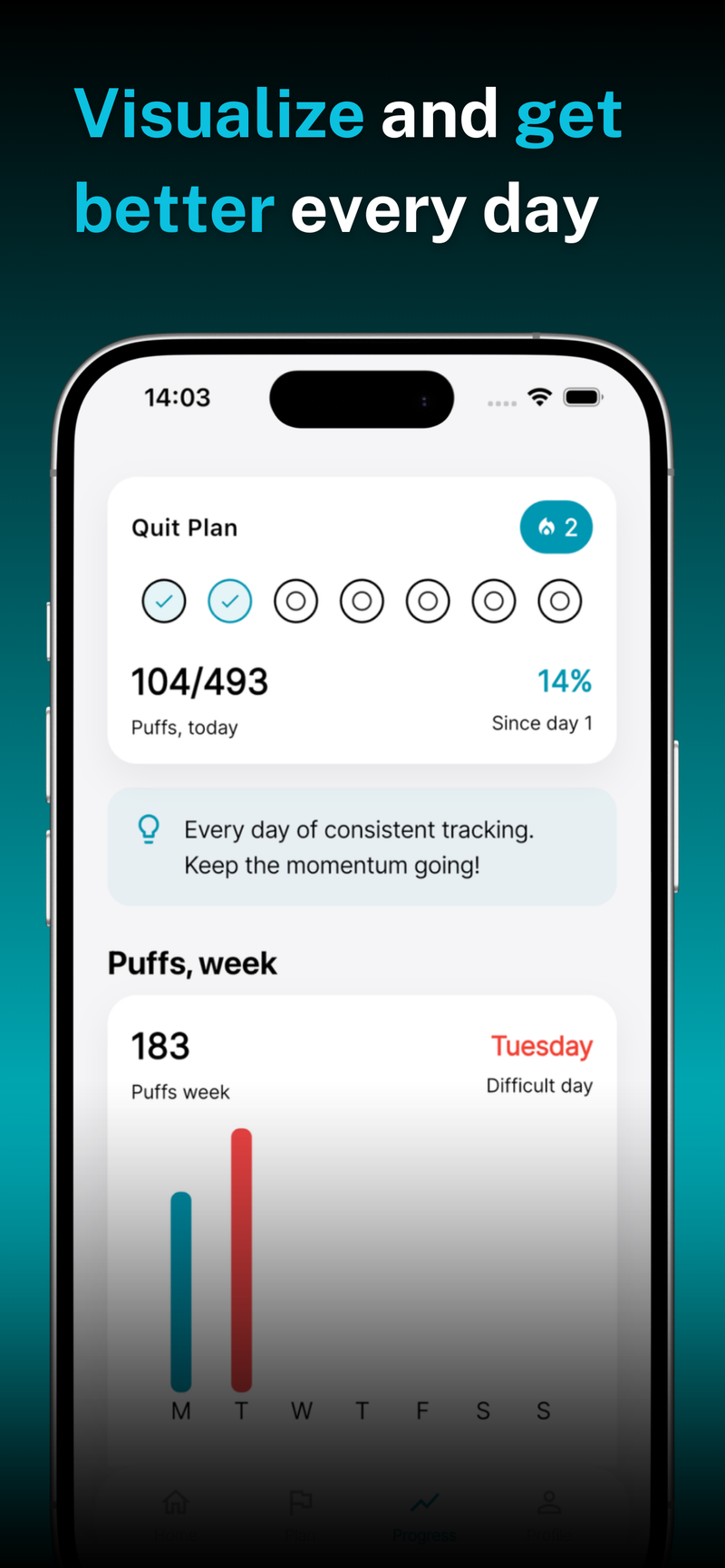
8) Track progress and celebrate small wins
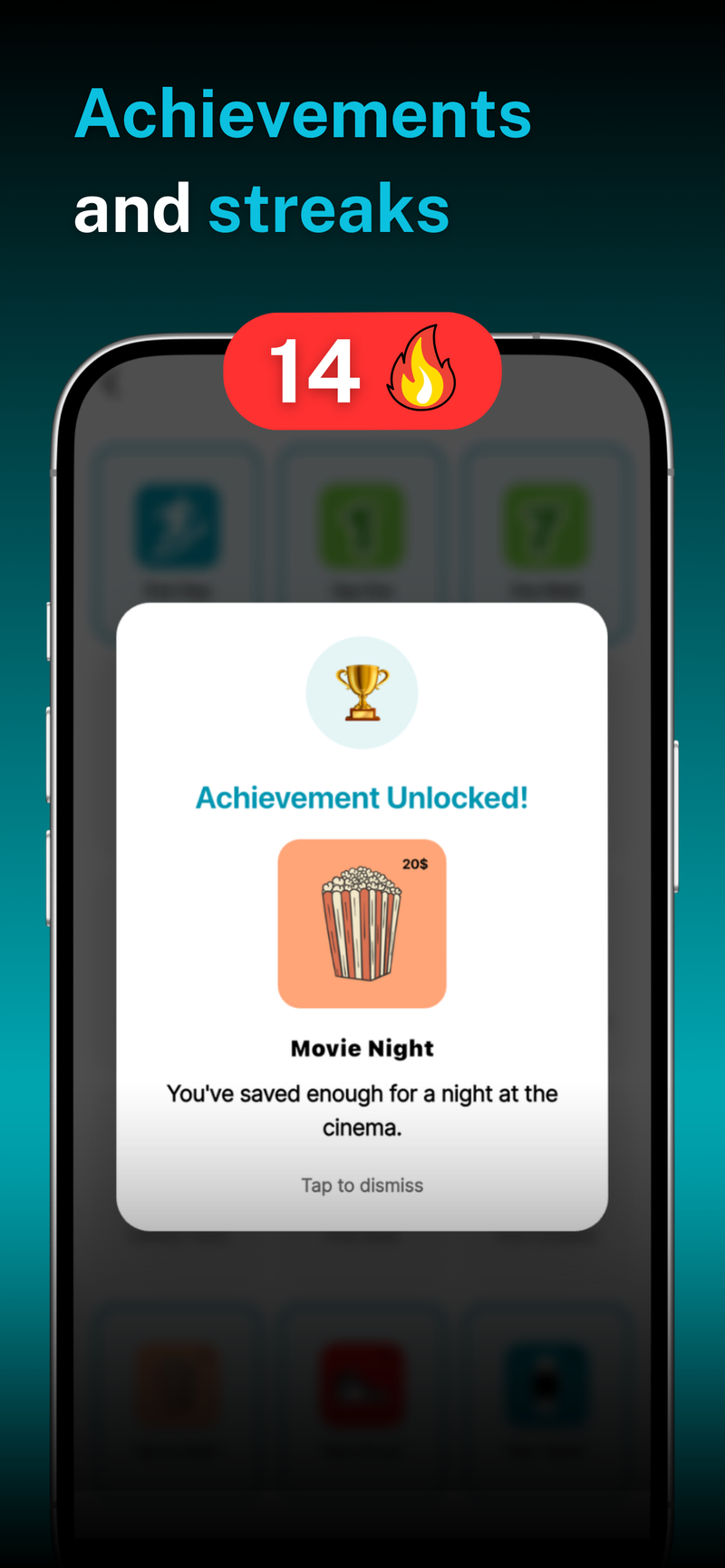
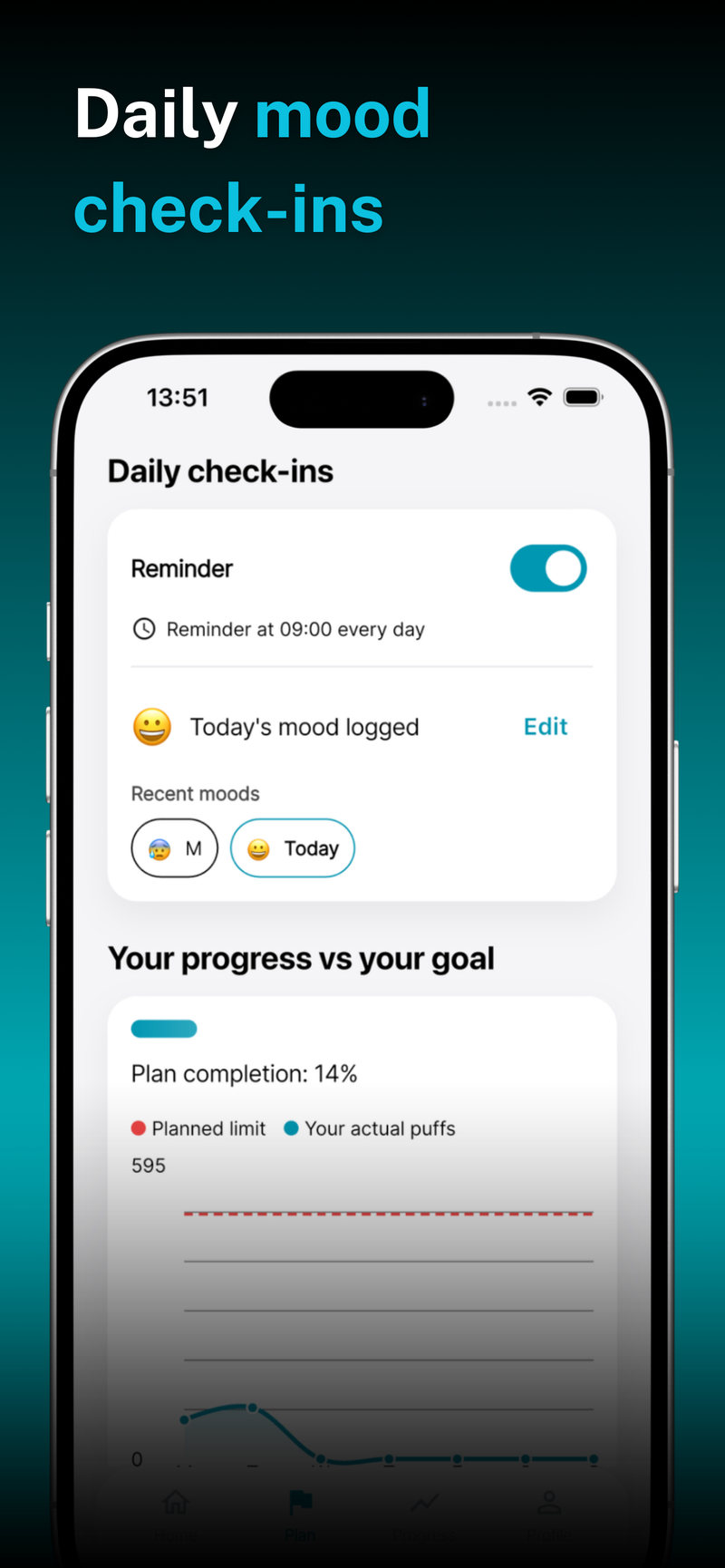
Keep a simple log: days smoke-free, money saved, improvements in taste or breathing. Small milestones compound into meaningful change.
Real-world scenarios and practical scripts
Turning social pressure into momentum
Staying resilient over time
Relapse risk is highest in the first weeks, but staying consistent builds confidence. Research and real-world experience show that people who prepare for social triggers and lean on support networks are more likely to succeed in the long run. You don’t have to do this alone, and you don’t have to be perfect—just persistent.
Conclusion
Quitting is a journey that often starts with a social breakthrough: choosing your moments, preparing your responses, and leaning on people who cheer you on. By combining clarity of goal, practical scripts, and smart routines, you can navigate the social world without compromising your quit plan.
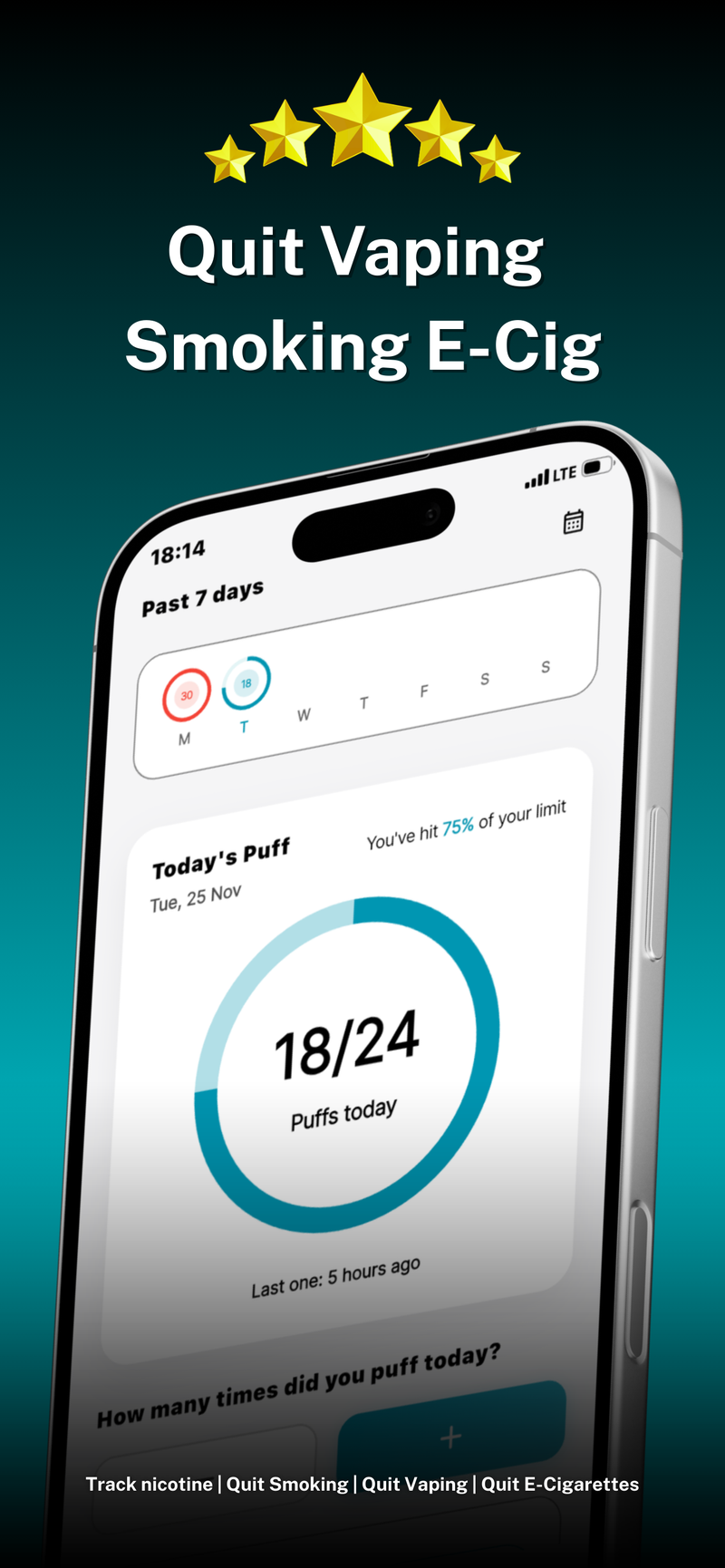
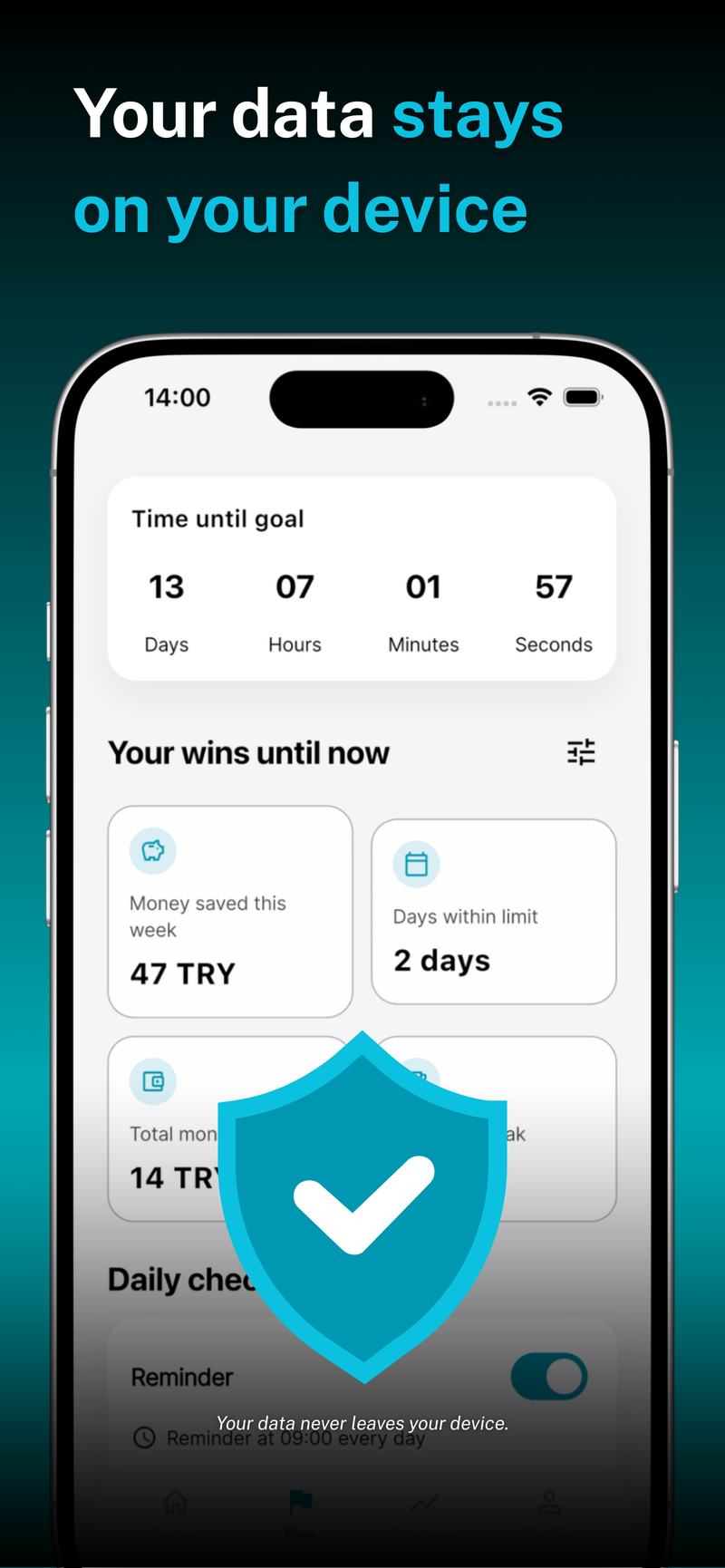
If you’re looking for a guided path that helps you map your quit plan to your social life, consider tools designed to support onboarding and personal setup. They can help you tailor your plan, track progress, and build a dependable support system as you move toward a smoke-free life. Quit Smoking & Vaping can help with this.
💪 Onboarding & Personal Setup