
·Health
Master Craving Triggers: Quick Plan to Cut Urges Fast
Cravings are powerful but typically brief. Learn to spot triggers, ride out urges, and rewire daily routines with practical steps you can start today.
smoking cessationvaping cessationcraving managementhabit changeself-help
Introduction
Cravings can feel overwhelming when you’re trying to quit smoking or vaping. You decide to change, but a familiar cue—a certain place, a stress burst, or a social habit—can spike your urges in minutes. The good news is that cravings are powerful, but often brief. With a practical plan, you can ride them out and reduce how often they show up.
Understanding craving triggers
Triggers come in three broad forms: physical, emotional, and environmental.
If you track when cravings happen, you’ll start to see patterns. For example, many people notice a spike in the late afternoon or during a coffee break. Recognizing patterns gives you a roadmap for change rather than fighting urges blindly.
Build a quick, actionable plan for urges
Here’s a compact, repeatable routine you can use the next time a craving hits. The goal is to delay, redirect, and decide, instead of acting on impulse.
Step 1: Pause and name the urge
When the urge arrives, label it in your mind: “This is a craving for nicotine.” Naming it reduces its power and makes it something you can observe rather than obey.
Step 2: Delay for 3-5 minutes
Tell yourself you’ll wait before acting. Cravings typically peak within minutes and then fade. Use the pause to reset, breathe, and choose your next action.
Step 3: Hydrate or have a small, healthy substitute
Sip water, herbal tea, or ice-cold soda if you tolerate sugar. Some people benefit from a quick, neutral chew or gum. The idea is to replace the mouth and hand ritual without reinforcing the old habit.
Step 4: Do a short, intentional activity
Move your body for 5 minutes: a brisk walk, stairs, a quick stretch, or a few push-ups. Physical activity can shift your focus and reduce withdrawal symptoms, making the craving ease sooner.
Step 5: Reflect and decide
Ask: Is this urge a signal I’m hungry, bored, or stressed? Did I just walk through a trigger or reinforce a routine that makes cravings more likely? Use the insight to modify your next actions. If the craving persists beyond the brief delay, repeat the cycle once more or switch to a longer distraction (a 10-minute task or conversation with someone supportive).
Change your environment and routine
A lot of urges come from habit loops. Make small changes to disrupt them:
Track patterns and adapt
Keep a simple craving diary for at least two weeks:
Review weekly to identify hot spots. If certain times or places predict cravings, pre-plan a workaround for those moments.
Long-term resilience and skills
Craving management isn’t only about resisting in the moment; it’s about building a lifestyle that supports fewer urges over time. Consider these foundational habits:
Quick-start plan you can try today
1) Identify your top 2 triggers (time of day and a routine cue).
2) Prepare a 3-minute delay and a 5-minute activity you can do immediately when the trigger hits.
3) Replace one daily ritual with a non-smoking alternative for the next 7 days.
4) Log your cravings and review weekly to tweak your plan.
By implementing a simple framework and staying curious about your triggers, you’ll notice cravings becoming less frequent and less intense over time.
Conclusion
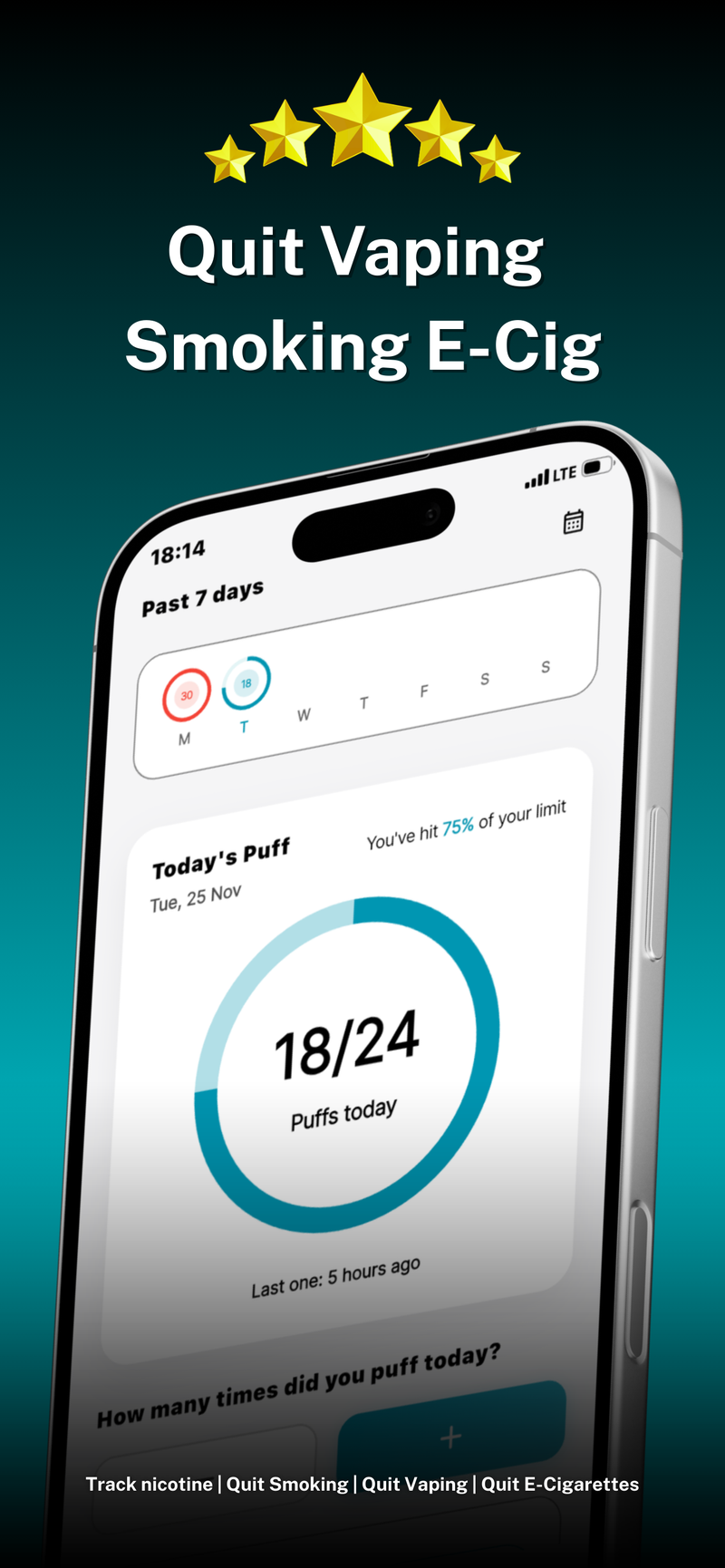
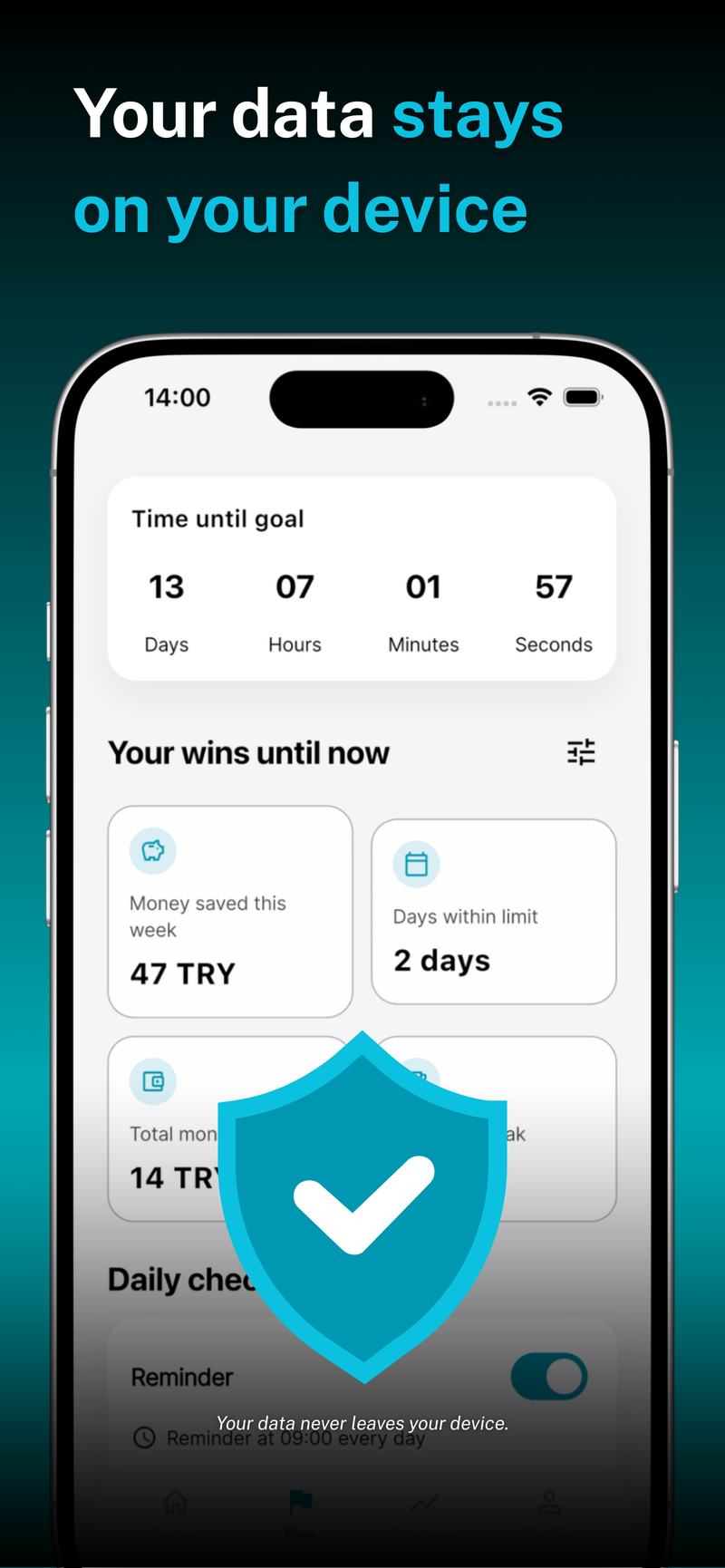
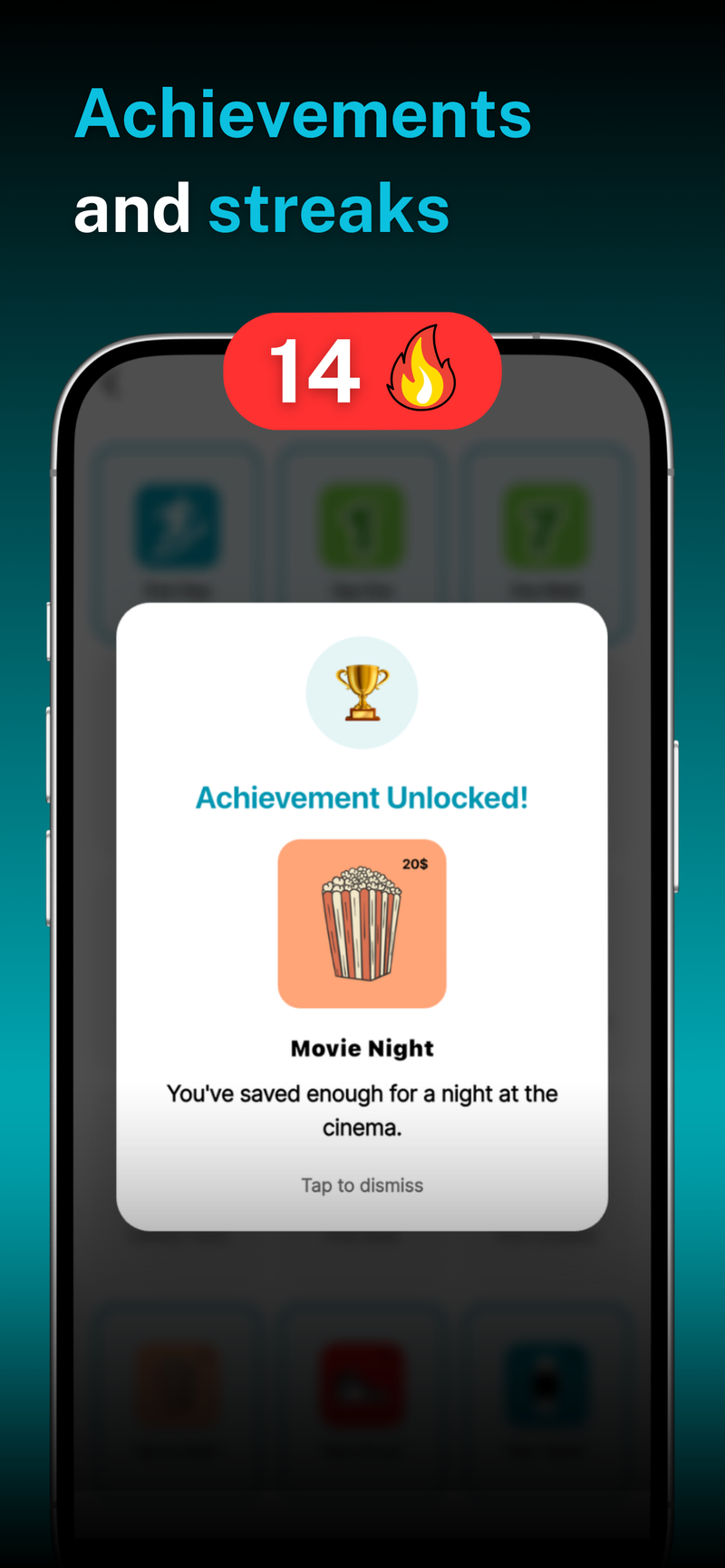
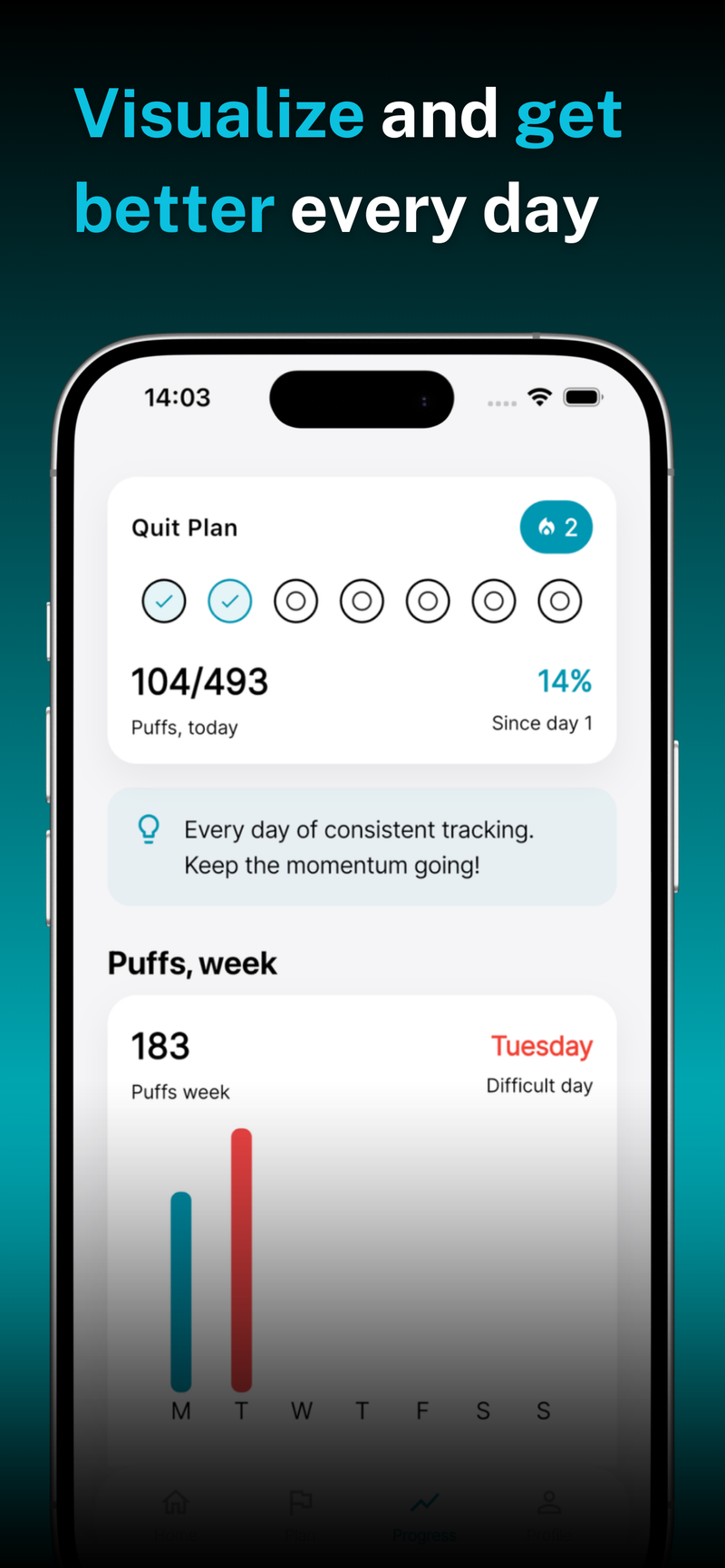
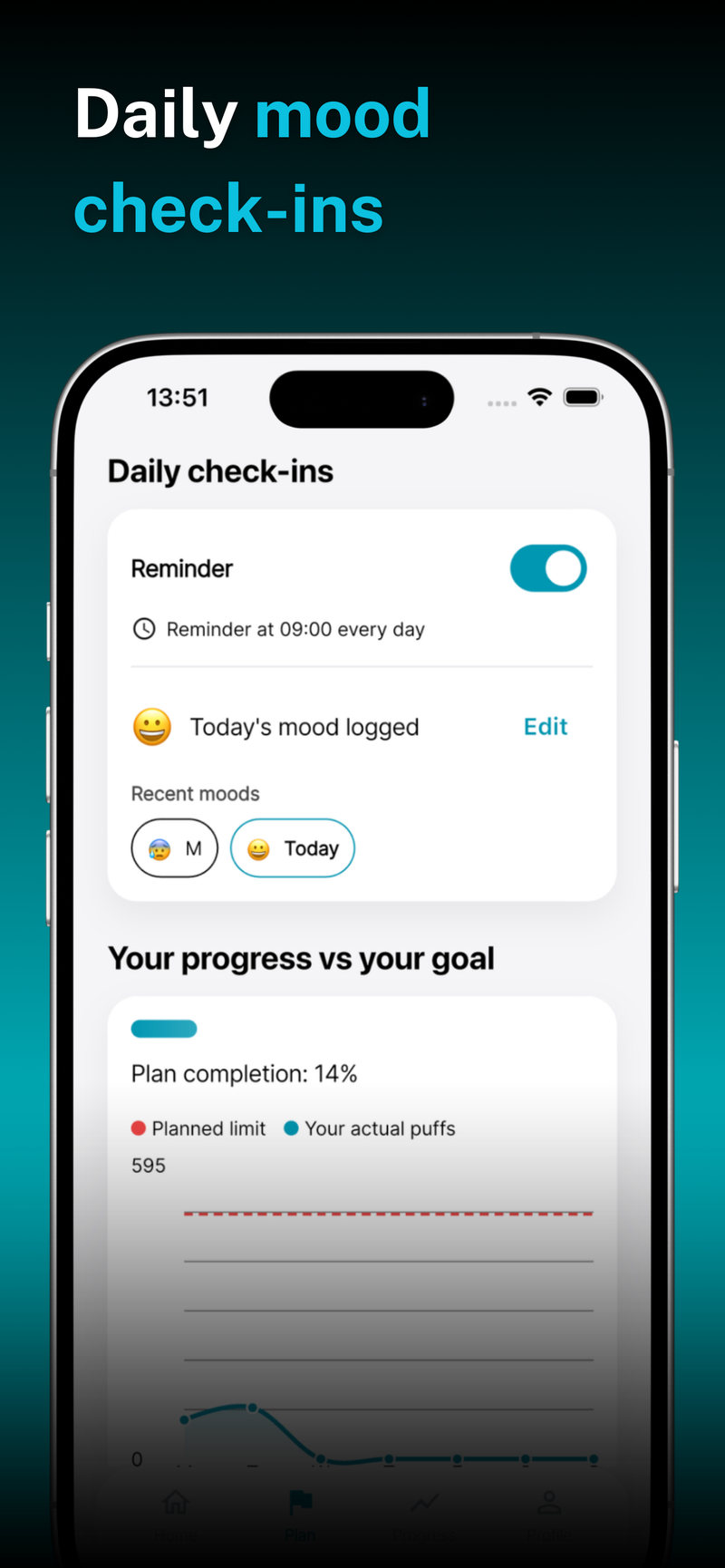
Craving mastery is a gradual journey. Small, consistent steps—tracking triggers, delaying actions, and reshaping routines—compound into real change. If you’re looking for a structured path that guides you through personalized setup and goal definition, consider a program that offers onboarding and a tailored plan. Quit Smoking & Vaping can help with this by guiding you through onboarding and progress tracking, making it easier to stay on course and adjust as you learn what works for you.

Daily MotivationProgress TrackingHealth MilestonesMoney Saved
💪 Onboarding & Personal Setup