
·Health
Map Your Day to Crush Nicotine Urges: A Simple Guide
Cravings arrive in waves, but you can outperform them by mapping your day. This practical guide helps you identify triggers, plan high-risk windows, and replace nicotine with simple, repeatable actions. Small, consistent steps beat big, hard-to-sustain efforts.
smoking cessationquit smokingcraving managementhabitsself-help
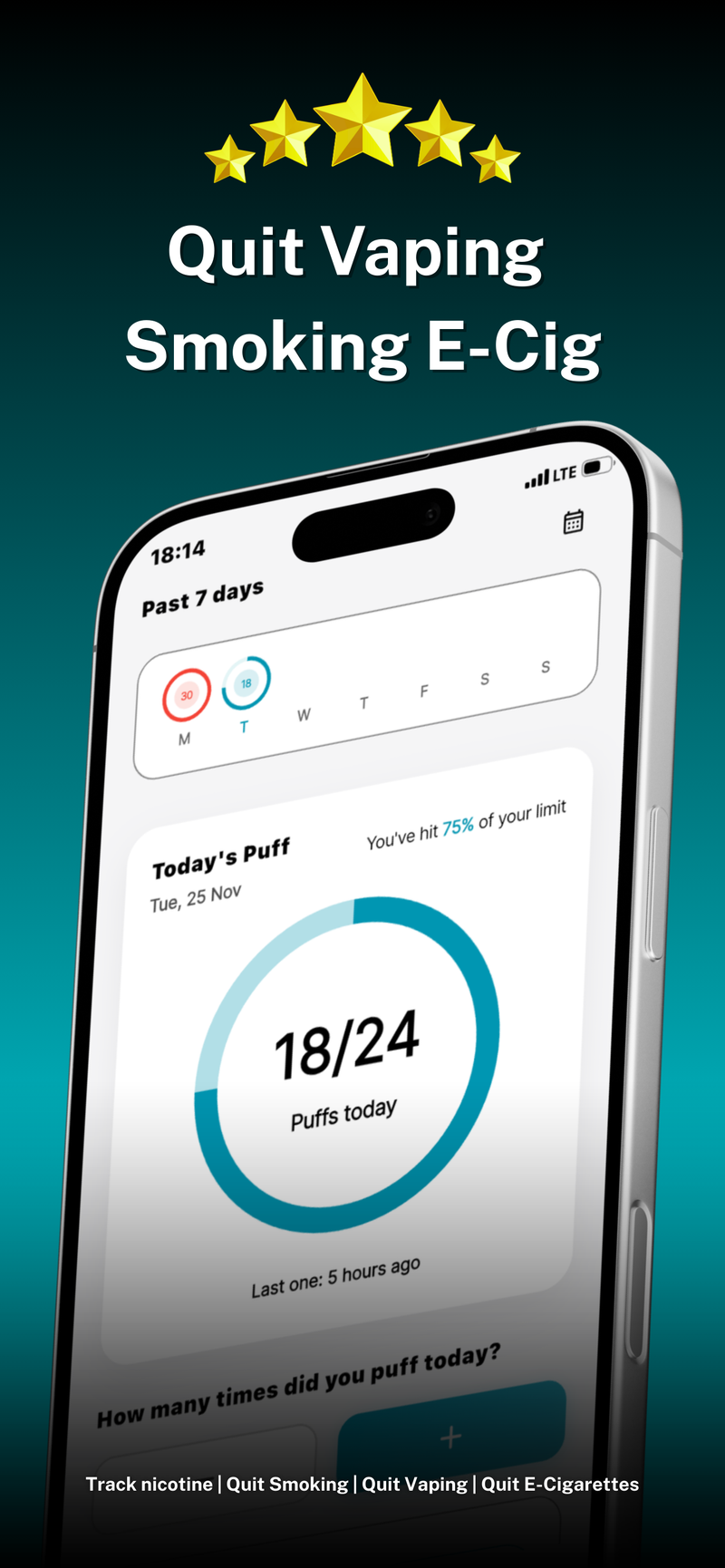
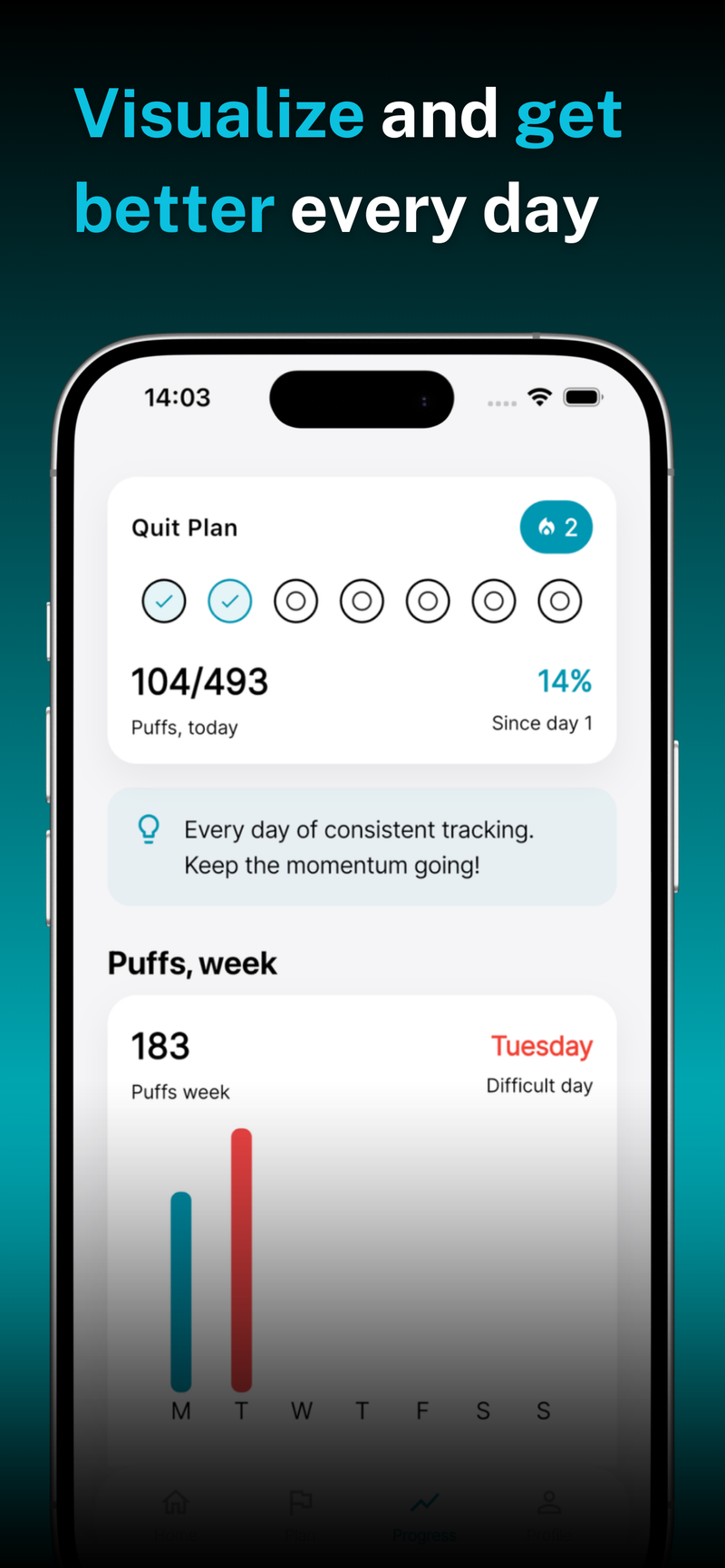
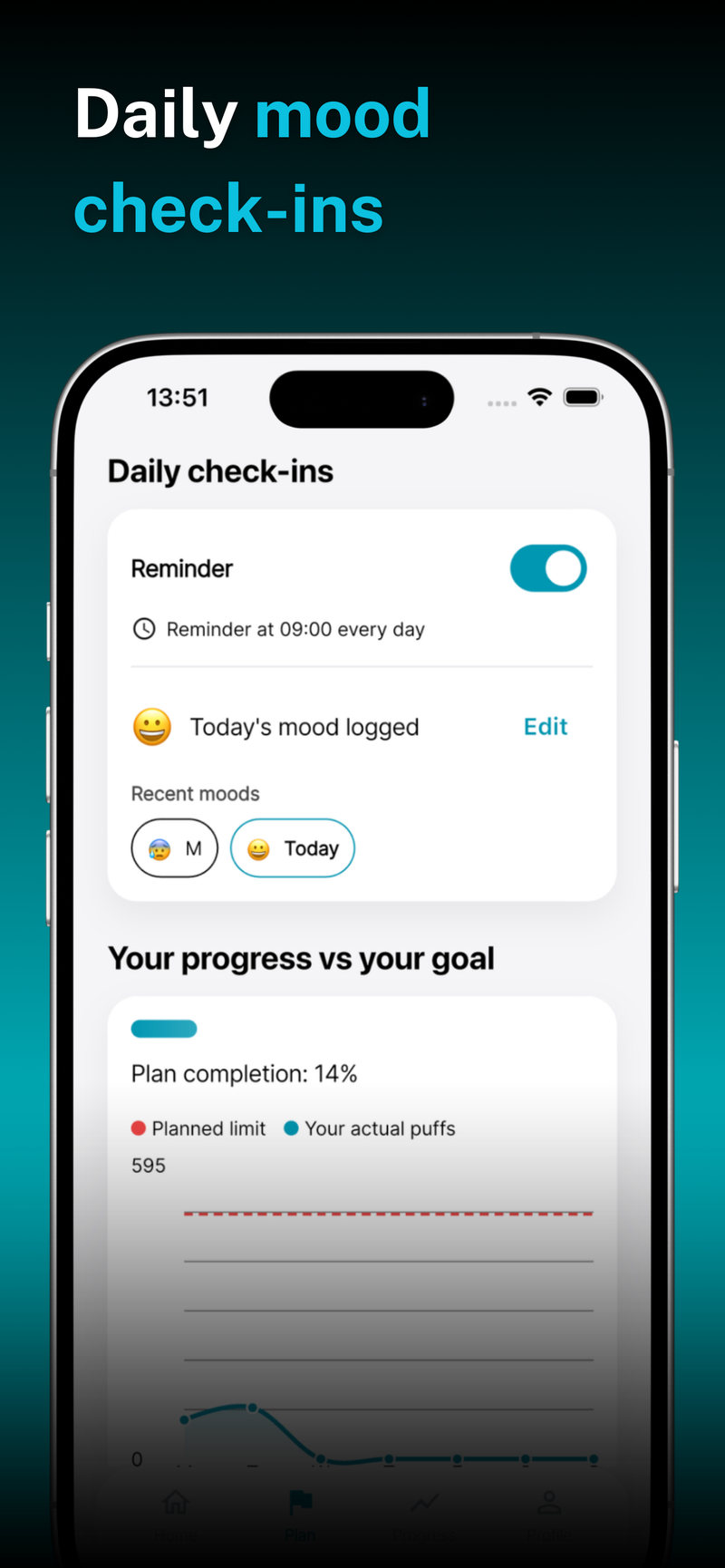
Introduction Cravings can feel relentless, especially when routine cues sneak up on you—your cup of coffee, finishing a meal, or a stressful moment at work. If you’ve decided to quit or reduce nicotine, you’re already ahead of the game. The next step is practical: map your day so you can anticipate urges and respond with actions that don’t involve nicotine. Think of your day as a series of moments, each with its own triggers and opportunities for a healthier choice. By planning around those moments, you disable the surprise element of cravings and give yourself a clear path forward. ## Why mapping your day helps crush nicotine urges Cravings come in waves, often peaking within the first few minutes of a trigger and fading after a handful of minutes. Research on behavior change shows that structure and preparation dramatically improve quitting success compared with sheer willpower alone. When you map your day, you’re not fighting cravings in the moment—you’re meeting them with a pre-planned, proven response. Key ideas to keep in mind: - Cravings are strongest around certain routines (morning wake-up, post-meal periods, caffeine breaks, after stress). - Small, repeatable actions beat large, ad-hoc efforts. Consistency compounds over days and weeks. - Tracking builds awareness, which makes it easier to adjust your plan when triggers shift. ## Build your daily urge map Follow these steps to create a simple, actionable plan you can use every day. ### Step 1: Identify triggers and patterns Create a quick log for a week (even a few lines per day is enough). Note: - Time of day - What happened just before the urge - Intensity on a 1-10 scale - Your emotion or mood - What you did in response (if anything) Examples you’ll often see: - Morning coffee or tea triggering a craving - After meals, especially with dessert or alcohol - During stress or tight deadlines - Social settings where others smoke or vape ### Step 2: Schedule high-risk windows Based on your log, identify your top 3-4 high-risk windows. Block these times with a pre-planned activity so there’s less room for guesswork. Examples: - 8:00–9:00 a.m.: swap 5 minutes of smoking breaks for a quick walk or stretching. - 3:00–3:30 p.m.: sip water, do a 2-minute breathing cycle, then a brief, brisk walk. - After meals: a 5-minute post-meal ritual (tea, mint, or a short chat with a coworker). ### Step 3: Prepare ready-to-go replacements Stock a small toolkit of quick actions you can do in under 5 minutes: - Breathing: 4-6 slow, deep breaths or a 2-minute box breathing exercise. - Hydration: a glass of water or sparkling water with a squeeze of lemon. - Activity: a short walk, a few stretches, or a quick set of bodyweight moves. - Oral substitutes: sugar-free gum, mint, or a crunchy snack like carrots. - Mindset reset: a brief pause to reframe the situation with an “If-Then” plan (see Step 4). ### Step 4: Create simple If-Then plans If-Then planning turns intentions into automatic actions. Examples: - If I crave while I’m coffee-time, then I drink a glass of water and wait 5 minutes. - If I reach for a cigarette after a meal, then I take a 5-minute walk instead. - If I feel stressed at work, then I do a 2-minute breathing exercise and text a friend for support. ### Step 5: Track progress and adjust End each day with a quick check-in: - Which triggers appeared? - Which replacement actions helped most? - Did you miss any planned actions? Why? - What small tweak can you try tomorrow to improve the plan? Adjustments don’t have to be big. Small refinements compound over time and keep your plan realistic. ## A practical daily template you can start with - Morning (6:30–9:00): Wake with a glass of water, 2 minutes of deep breathing, and a 5-minute stretch. If you crave, go for a brief 5-minute walk. - Mid-morning (9:30–11:00): Cravings spike for some; prepare a 3-minute ritual: drink water, do two quick squats, and have a piece of fruit or gum. - After lunch (12:30–1:30): Take a 5-minute walk, then sip water or herbal tea. If urge returns, switch to a quick breathing cycle. - Mid-afternoon slump (2:30–4:00): Have a healthy snack, 5-minute stretch, and a short call with a friend or family member for support. - Evening wind-down (after dinner): Avoid alcohol if it’s a trigger. Use a wind-down routine: hydration, a brief warm shower, and a relaxing activity (reading, puzzle, gentle stretching). - Bedtime: Plan for a predictable routine to reduce late-night cravings, such as tea and dim lights, plus a final 5 minutes of breathing. This template is a starting point. Personalize it to fit your schedule, triggers, and preferences. ## Mindset and the long game Quitting or reducing nicotine is a marathon, not a sprint. Expect ups and downs, and normalize imperfect days. The goal is steady progress, not perfection. Build patience with yourself, and celebrate small wins—each urge you get through without nicotine is a victory that compounds over time. If you currently use a structured plan, you’ll notice you react to cravings with intention rather than impulse. That shift—from automatic to mindful—remains the core of sustainable change. ## Conclusion Mapping your day is a practical way to outsmart nicotine urges. By identifying triggers, scheduling high-risk windows, and arming yourself with quick, repeatable replacements, you create a reliable framework for quitting or reducing nicotine. Remember: consistency matters more than intensity in the early days, and small changes add up. If you’re looking for support that guides you through this process from start to finish, consider a program designed to help you set a personalized quit plan, monitor progress, and adjust as needed. Quit Smoking & Vaping can help with this, offering a guided onboarding flow that helps you tailor your quit plan from day one and stay on track with ongoing support. The focus is on sustainable change, not quick fixes, and that’s how real
Daily MotivationProgress TrackingHealth MilestonesMoney Saved
💪 Onboarding & Personal Setup