
·Health
How to Build a Nicotine Reduction Plan That Sticks
This article lays out a practical, step-by-step approach to creating a nicotine reduction plan that fits real life. It emphasizes baseline tracking, realistic timelines, craving coping strategies, and steady progress, with a gentle note at the end about guided onboarding.
smoking cessationvaping cessationhabit changecraving managementbudget and motivation
Introduction If you’re reading this, you’ve already taken a big step: you’re asking how to reduce or quit nicotine in a way that lasts. Most people who attempt to quit smoke or vape again within weeks because the plan wasn’t realistic for daily life. The goal is not just to want change; it’s to design a plan you can actually follow, day after day, even when life gets busy or stressful. Real progress happens when you combine a clear target with practical steps you can live with. Consider this: about 70% of adults in many populations express a desire to quit, but only a small fraction succeed in a year without structured support. The good news is that a well-structured reduction plan—one that respects your routines, triggers, and finances—can dramatically improve your odds. You don’t have to go cold turkey to win; you can build momentum with small, steady steps that add up over time. ## Establish your baseline ### Track your use - Record your current intake: how many cigarettes or puffs you use daily. If you vape, note the number of hits and the strength or nicotine level in your device. - Note the times of day you use most (e.g., first thing in the morning, after meals, during breaks). ### Understand the cost - Calculate your weekly spend on nicotine products. Seeing the money add up can be a powerful motivator to change. ### Identify triggers and patterns - List common triggers: stress, social settings, coffee breaks, after reaching a goal, or when you’re bored. - Pay attention to emotions that accompany use: anxiety, loneliness, celebration, or habit. ## Define your goal clearly ### Choose your approach - Monitor & reduce: you gradually lower usage while maintaining some nicotine intake to avoid withdrawal. - Quit completely: you cut off nicotine entirely by a target date. ### Set a realistic timeline - Pick a plan duration that fits your life—commonly 6–12 weeks for a gradual reduction, longer if needed. ### Break it into bite-sized targets - Create weekly targets rather than a vague end date. For example, reduce by 25% each week or drop by a fixed number of cigarettes a day. - Allow flexibility for life events. If you hit a rough week, adjust the pace rather than abandoning the plan. ## Build a practical step-down plan ### Decide your reduction rate - If you smoke 20 cigarettes daily, a simple path could be 20 → 15 (week 1), 15 → 12 (week 2), 12 → 9 (week 3), and so on, until you reach your goal. - For vaping, you might reduce puffs per day or lower nicotine strength gradually. ### Use substitutions and ritual changes - Replace one nicotine routine with something else (water, tea, a quick walk, or a five-minute breathing exercise). - Change the ritual around triggers: swap a cigarette after meals with a short stretch or a short, brisk walk. ### Create “no-use” zones and triggers defenses - Designate certain places or times as nicotine-free (car rides, work desk, bedroom). - If a trigger appears, have a pre-planned response (delay 5–10 minutes, then choose an alternative). ### Put a simple log in place - Each day, record whether you hit your target, what triggered a smoke or vape, and what helped you resist. ## Craving management and withdrawal readiness ### Delay and distract - When cravings hit, wait 5–10 minutes before acting. Cravings often peak quickly and fade. - Use a distraction: a short walk, a brisk chore, quick chat with a friend. ### Breathe and refocus - Practice 4-7-8 breathing: inhale 4 seconds, hold 7, exhale 8. Repeat several rounds. - Engage a grounding exercise: name 5 things you see, 4 you feel, 3 you hear, 2 you smell, 1 you taste. ### Environment matters - Remove obvious triggers from easy reach, like lighters, ashtrays, or vaping devices when you’re not using them. - Keep healthy snacks or gum handy for quick substitutes. ### Consider Nicotine management options where appropriate - If you’re considering nicotine replacement therapy (NRT) or other aids, consult a clinician or trusted health resource to choose a safe plan. These tools can substantially improve quit rates when used correctly. ## Build support and accountability ### Involve your circle - Tell close friends or family about your plan and how they can help (reminders, check-ins, or accountability buddy). - Consider joining a support group or online community where people share tips and celebrate milestones. ### Keep a progress log - Record daily use, cravings, mood, and any slip-ups. Review weekly to identify patterns and adjust. ## Monitor progress and adjust as needed ### Look for signals when to adjust pace - If you consistently miss targets or feel overwhelmed, slow the pace and extend the timeline. - If you’re consistently hitting reductions but still missing cravings, strengthen coping strategies or add an additional layer of support. ### Celebrate small wins - Every week you meet a sub-goal is a real victory. Acknowledge it and use that momentum to fuel the next phase. ## Motivation, budget, and future gains ### Visualize the savings and health benefits - Calculate money saved by reducing or quitting. Put the amount into a goal (a small vacation, a new hobby, or health-related goals). - Keep reminders of health gains: better sleep, improved breathing, and steadier energy levels can be powerful motivators. ### Prepare for potential slips - Slips happen. Have a plan to get back on track quickly: revisit your baseline, re-check triggers, and re-commit to the micro-goals. ## Conclusion Building a nicotine reduction plan that sticks is about turning big goals into small, repeatable steps that fit your life. Start with a clear baseline, define a realistic timeline, and map out practical substitutions for cravings. Track your progress, adjust when needed, and lean on your support network to stay accountable. By combining these elements, you improve your chances of lasting change and you protect your health in the long run. If
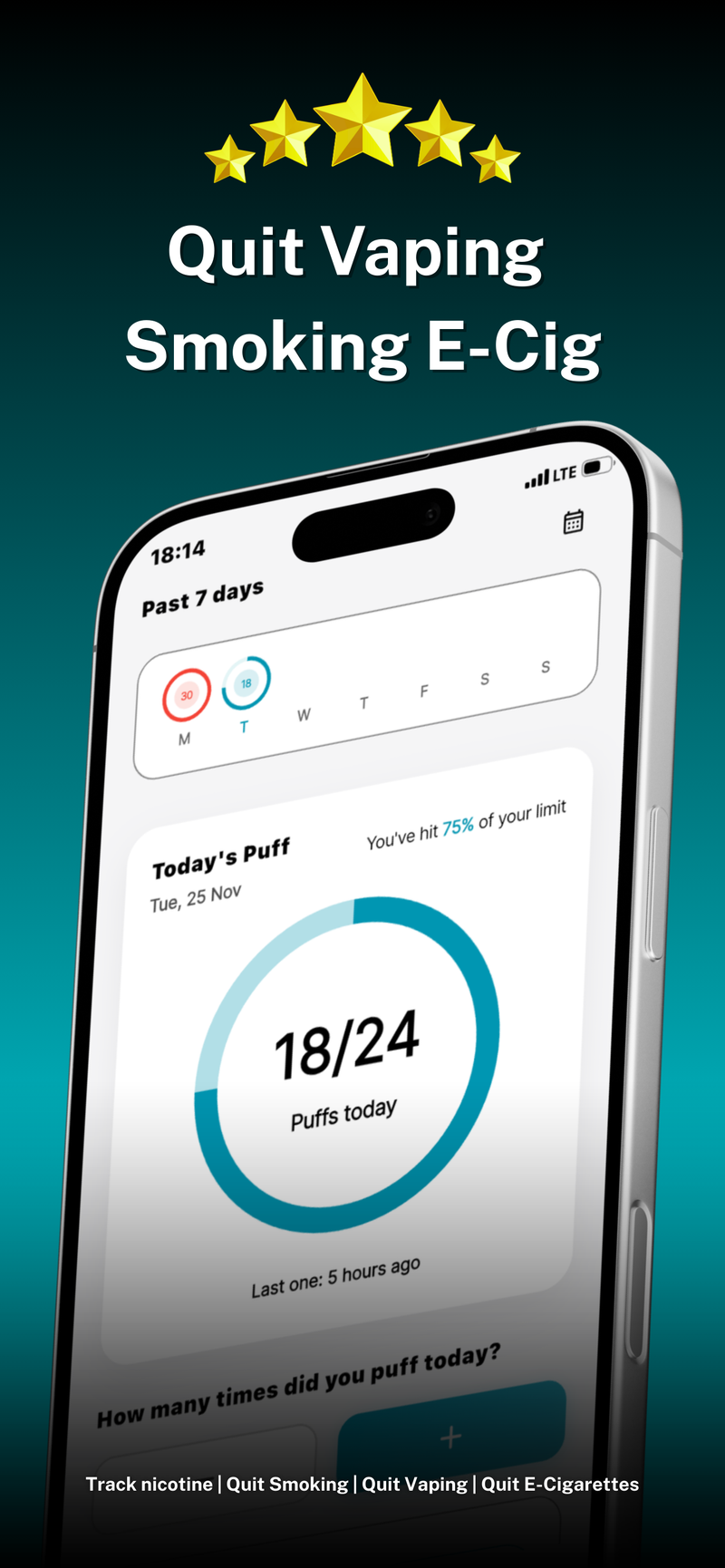
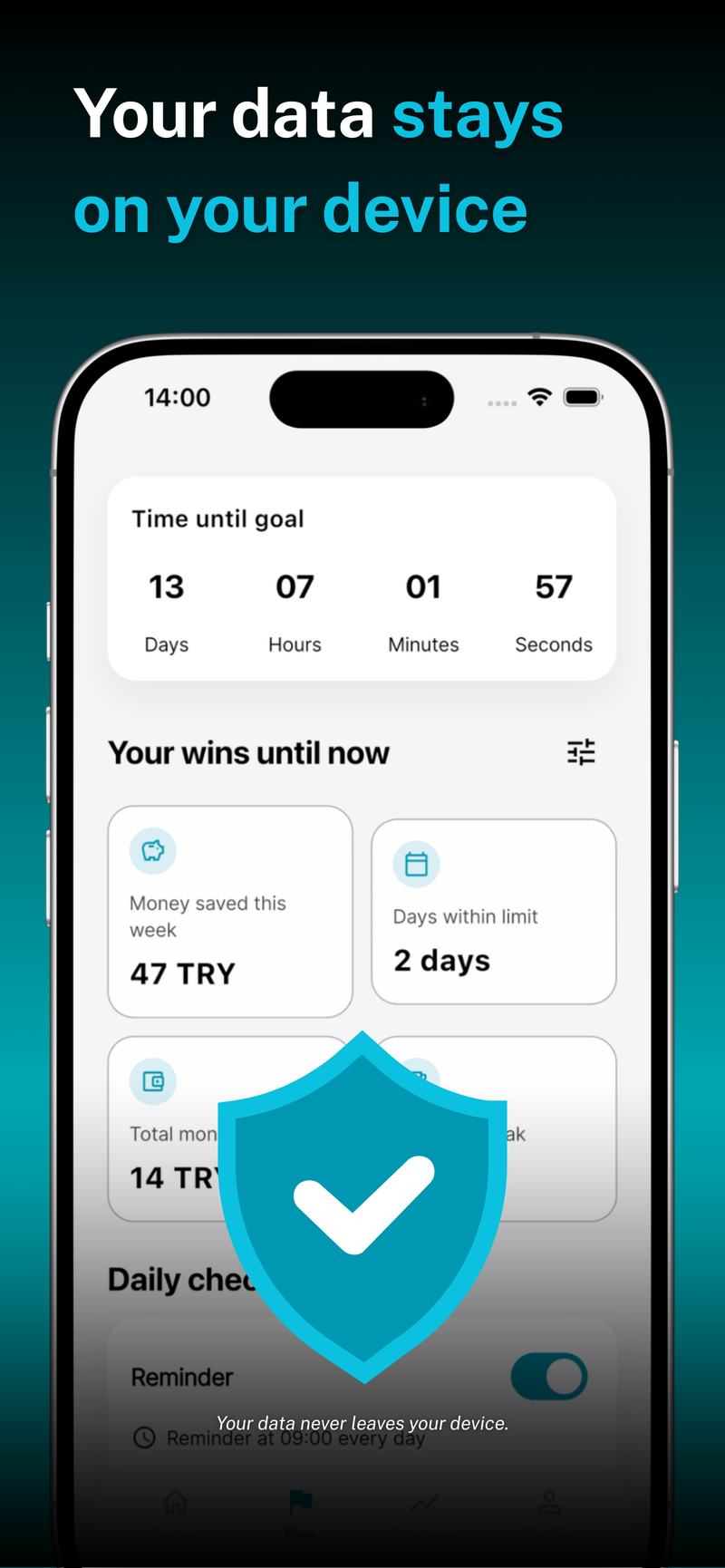
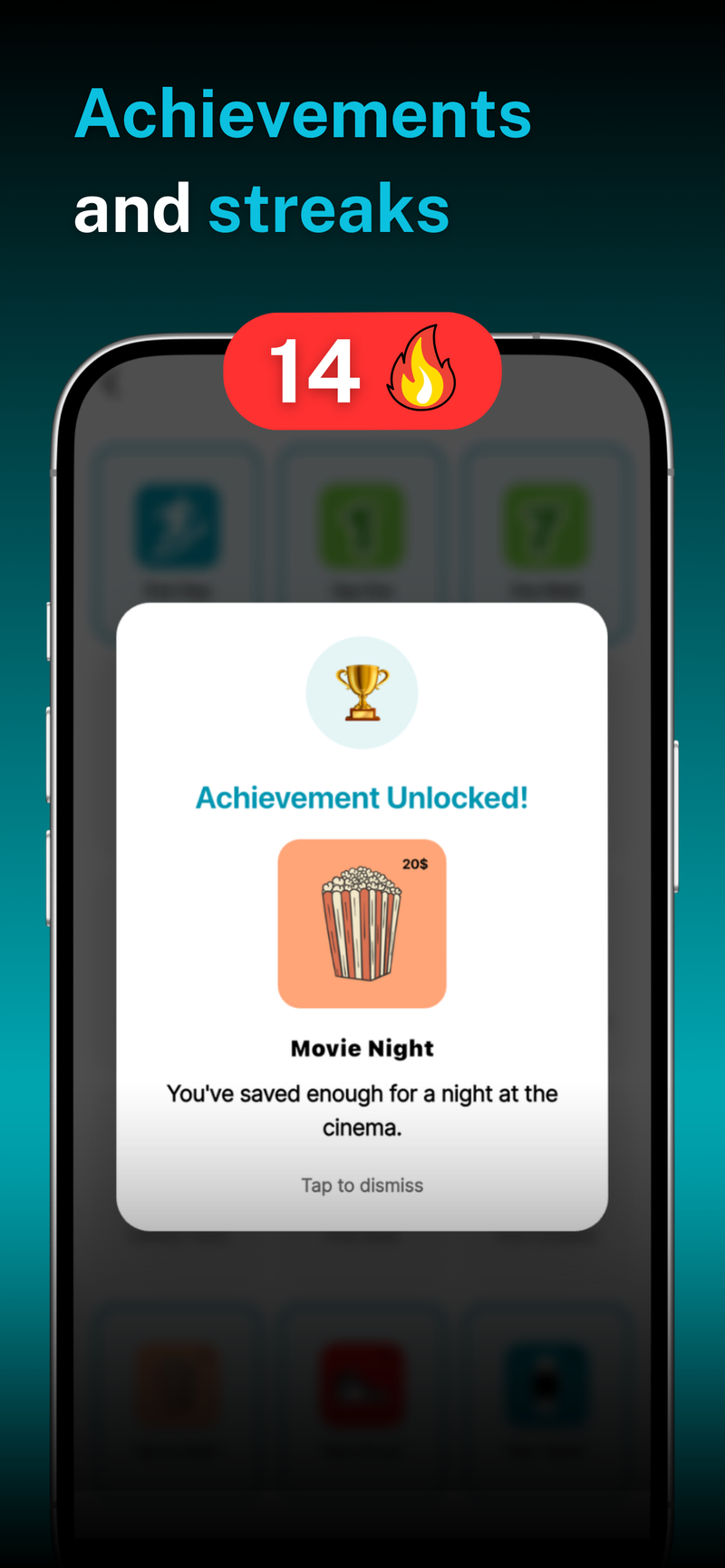
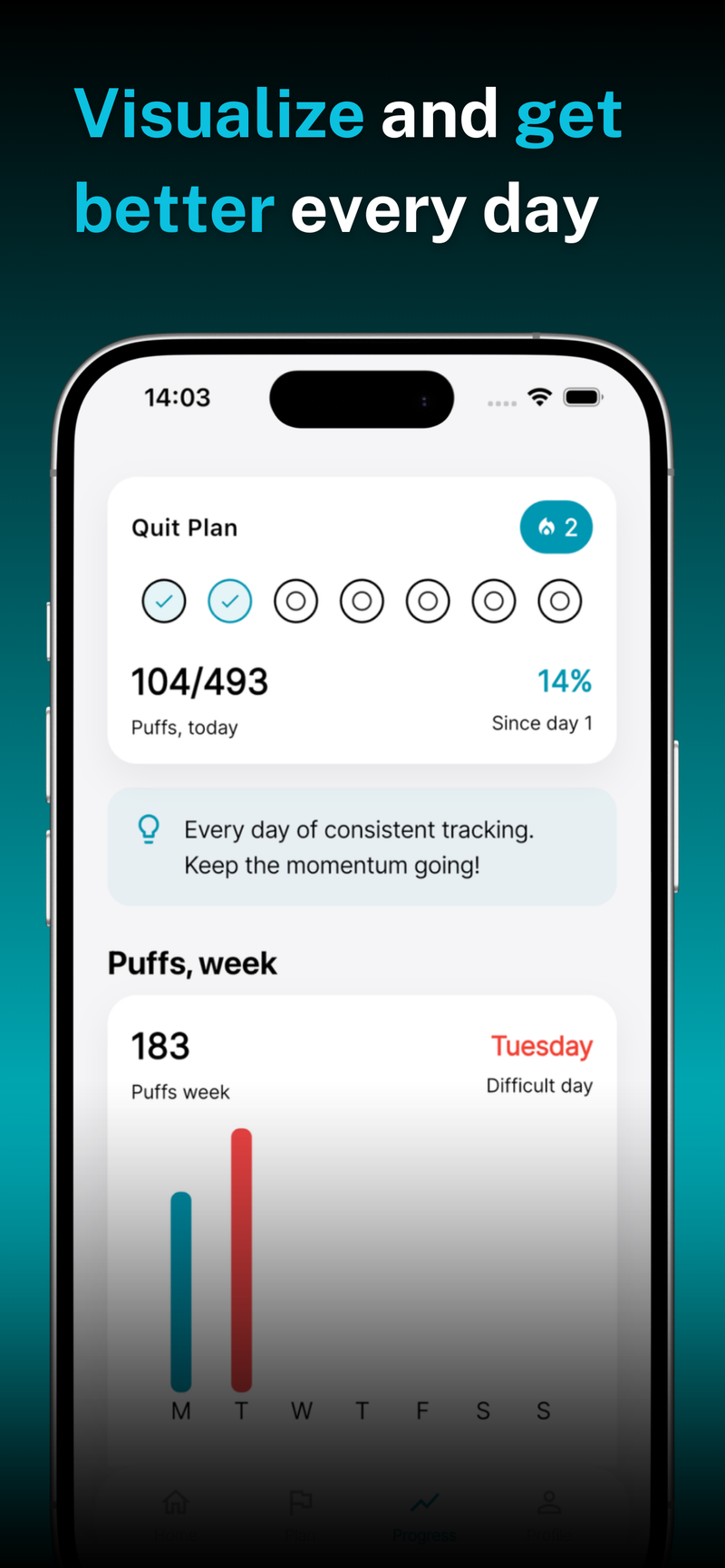
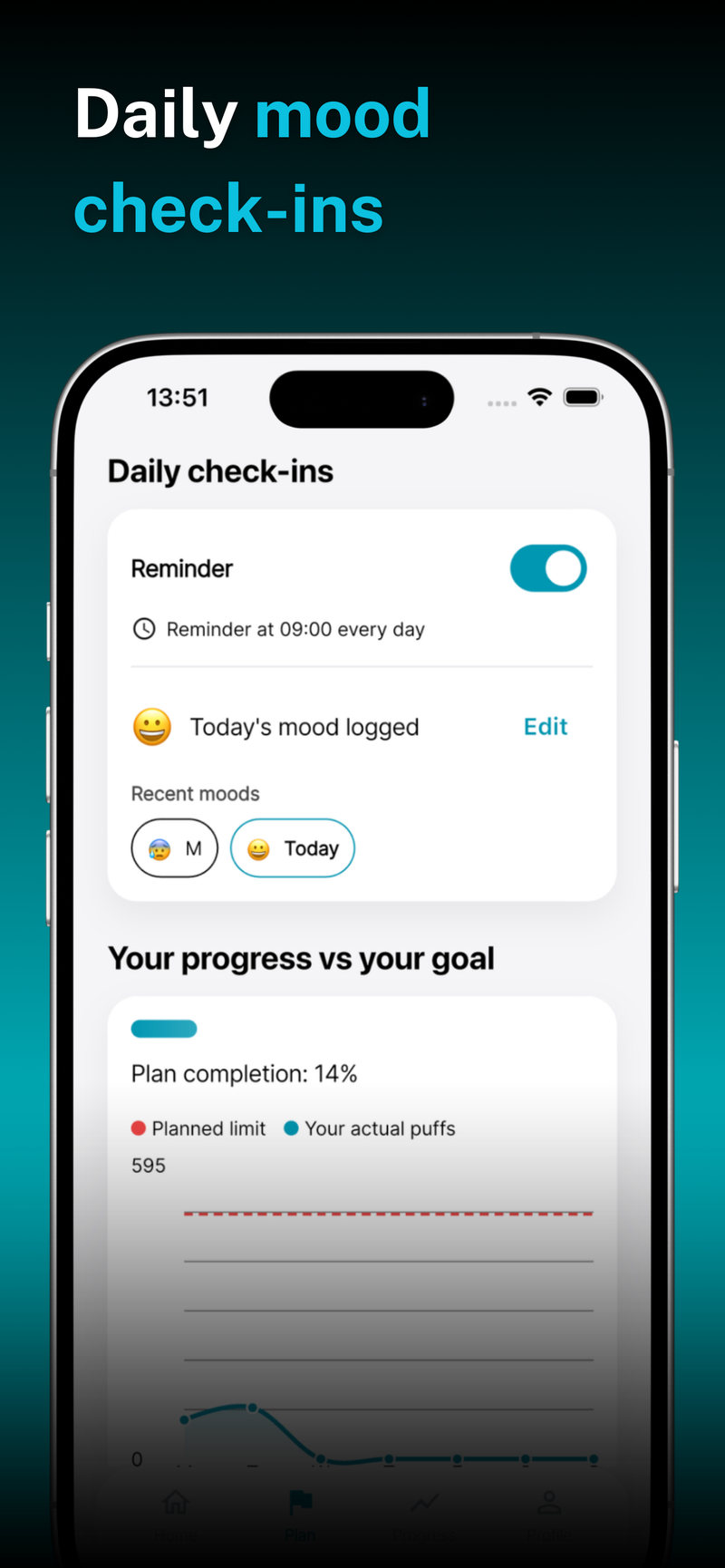
Daily MotivationProgress TrackingHealth MilestonesMoney Saved
💪 Onboarding & Personal Setup