
·Health
How to Build a Craving-Management Routine That Sticks
Cravings can feel overwhelming, but a well-crafted craving-management routine makes them manageable. Learn how to map triggers, build a toolbox of quick strategies, and anchor your day with practical, repeatable habits to quit smoking or vaping.
smoking cessationvaping cessationbehavioral strategieshabit changeself-help
Introduction Cravings come on like a sudden wave: intense, hard to ignore, and often timed to your weakest moments. If you’ve tried to quit before, you know the pattern—urge, temptation, relapse—repeat. The key isn’t willpower alone; it’s having a reliable routine you can actually stick to when emotions are high, schedules are busy, and stress is loud. This article shares a practical framework you can put into action today. It focuses on real-life steps you can incorporate into a daily routine, with simple tools, quick wins, and a plan you can customize for smoking or vaping. > Quick reality check: cravings are powerful but usually brief. Most urges peak in the first few minutes and fade if you don’t act on them. When you combine a few reliable strategies, you reduce the odds of a slip and build momentum toward your goal. ## Main Content ### 1) Understand cravings and what a routine can do Cravings are signals, not commands. They’re often triggered by facts in your environment—time of day, social settings, stress, or a routine you repeat mindlessly. What a craving-management routine buys you: - Predictability during high-risk moments - A set of evidence-based tools you can pull from any time - A way to measure progress and adjust quickly Key idea: small, repeatable actions beat big, sporadic attempts. A routine should feel like your default, not a hurdle to jump over. ### 2) Build your craving toolbox Fill a “craving toolbox” with quick, easy strategies you can deploy in 3–5 minutes. Here are solid options you can mix and match: - 5-4-3-2-1 grounding: name 5 things you see, 4 you can touch, 3 you hear, 2 you smell, 1 you taste. - Box breathing: inhale 4 seconds, hold 4, exhale 4, hold 4. Do 4 rounds. - Delaying tactic: tell yourself you’ll wait 5–10 minutes. Often the urge eases or passes. - Hydration and a small healthy snack: sometimes thirst or hunger mimics cravings. - Quick movement: a 2-minute stretch, a brisk walk around the block, or a set of jumping jacks. - Mouth replacement: sugar-free gum or mint. - Cold exposure: splash cold water on your face or hold an ice cube for a minute. - Distraction with a short task: tidy a desk drawer, answer one email, or text a friend. - Social support: a 2-minute call or message to a buddy who knows you’re quitting. Aim to have at least 4–6 strategies in your toolbox so you can switch tactics if one isn’t working. ### 3) Map triggers and plan if-then actions Create a simple trigger map: note when cravings tend to spike (times of day, locations, emotional states, people, or activities). Then write if-then plans: - If I crave after lunch, I take a 5-minute walk and drink a glass of water. - If I’m around a smoking/vaping friend, I step away for a few minutes and use the 5-4-3-2-1 grounding. - If I feel stressed, I pause, inhale for four counts, and do a 2-minute stretch. Having a ready-made plan reduces decision fatigue when nerves are frayed. Cravings also ride in waves. Try urge surfing: notice the sensation, ride it for 3–5 minutes, and then it often subsides without acting on it. ### 4) Create a craving diary Tracking is powerful. Record: - Date/time - Trigger (what started the urge) - Intensity (1–10) - Strategy used - Outcome (what worked, what didn’t) A brief log keeps you honest and helps you spot patterns. Review weekly and adjust your toolbox accordingly. ### 5) Design an environment that supports you Small changes compound quickly: - Remove obvious triggers from daily spaces (pack away cigarettes, hide vape devices, etc.). - Place water, gum, or mint within easy reach. - Use reminders that keep your goal visible but not nagging (a sticky note on your computer, a screensaver, or a calendar cue). - Create a dedicated wind-down routine for evenings to reduce stress-driven urges. ### 6) Build a daily routine that supports cravings A stable daily rhythm makes cravings easier to manage. Try these anchors: - Morning: hydrate, 2–3 minute mindful breath, plan your 1–2 high-risk moments of the day. - Workday: schedule short 2–3 minute breaks to reset, use the toolbox during transitions (before meetings, after lunch). - Evenings: pre-bed wind-down, journaling, light movement, and a bedtime ritual to reduce stress. Habit stacking helps too. Pair a positive behavior with an existing routine (for example, after brushing teeth in the morning, do 2 minutes of box breathing). ### 7) Evidence-based strategies for quit vs reduction - Quit: Set a quit date and prep your toolbox for that day. Consider nicotine replacement therapy or other medically approved aids if appropriate and discussed with a clinician; these can double quit-success rates when used correctly. - Reduction: If you’re not ready to quit abruptly, set a clear, gradual reduction plan (e.g., reduce by 25% each week) and attach the same craving-management routines to each milestone. Regardless of approach, the core is consistency: small daily wins compound into meaningful changes over weeks. ### 8) Common pitfalls and how to avoid them - All-or-nothing thinking: a slip doesn’t erase progress; adjust the plan and get back on track. - Underestimating withdrawal: fatigue, irritability, or trouble concentrating can spike urges. Build rest, nutrition, and stress management into your routine. - Social pressure: prepare a brief, honest script to decline or step away when surrounded by triggers. - Weight concerns: plan balanced meals and healthy snacks to avoid substituting one habit for another. ### 9) Quick-start 7-day plan - Day 1–2: Map your triggers and assemble a 4–6 item toolbox. - Day 3: Write 2–3 if-then plans for your top triggers. - Day 4: Start a craving diary and log at least one urge per day. - Day 5: Implement environmental changes (stash devices, place substitutes within reach). - Day 6: Establish a daily 5-minute wind-down routine. - Day 7: Review your diary, adjust toolbox items, and celebrate small wins. ## Conclusion
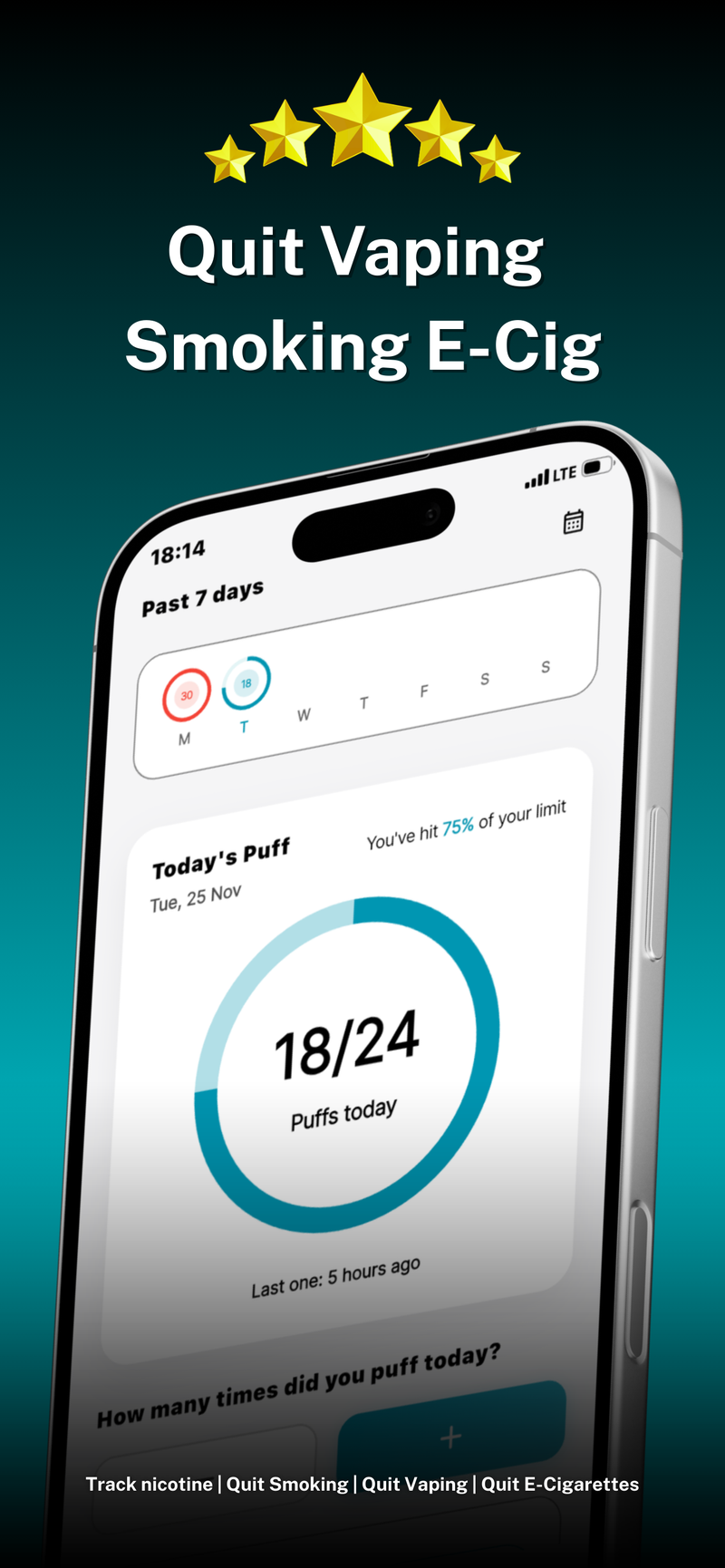
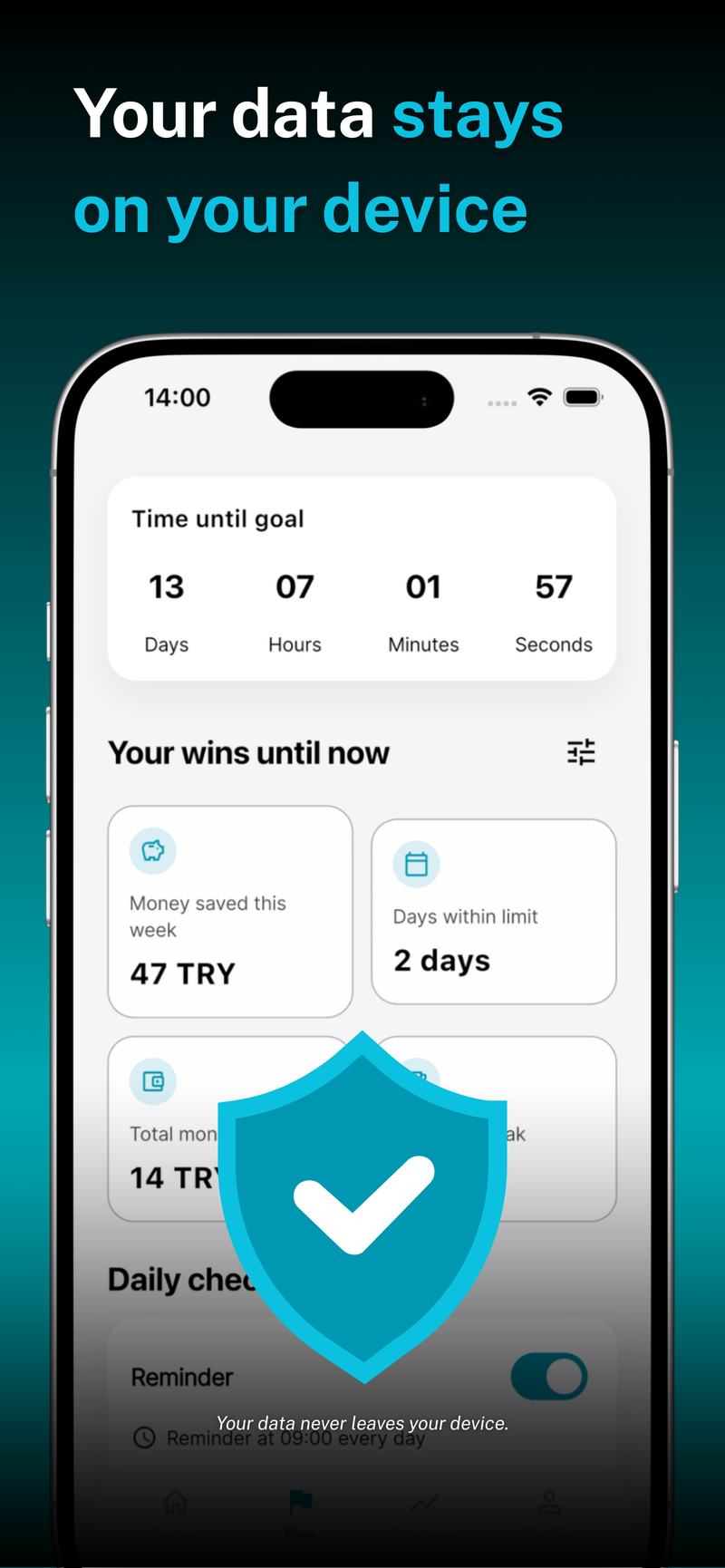
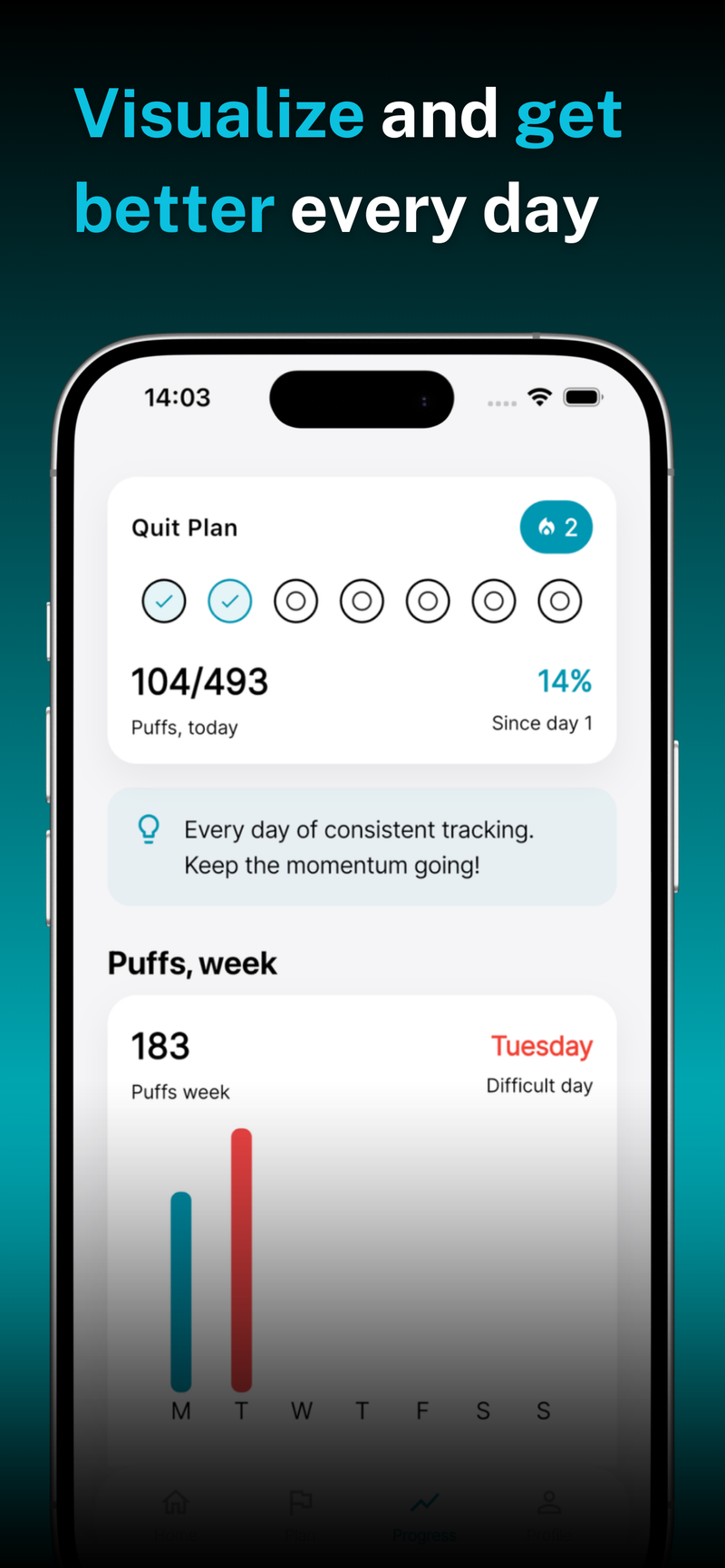
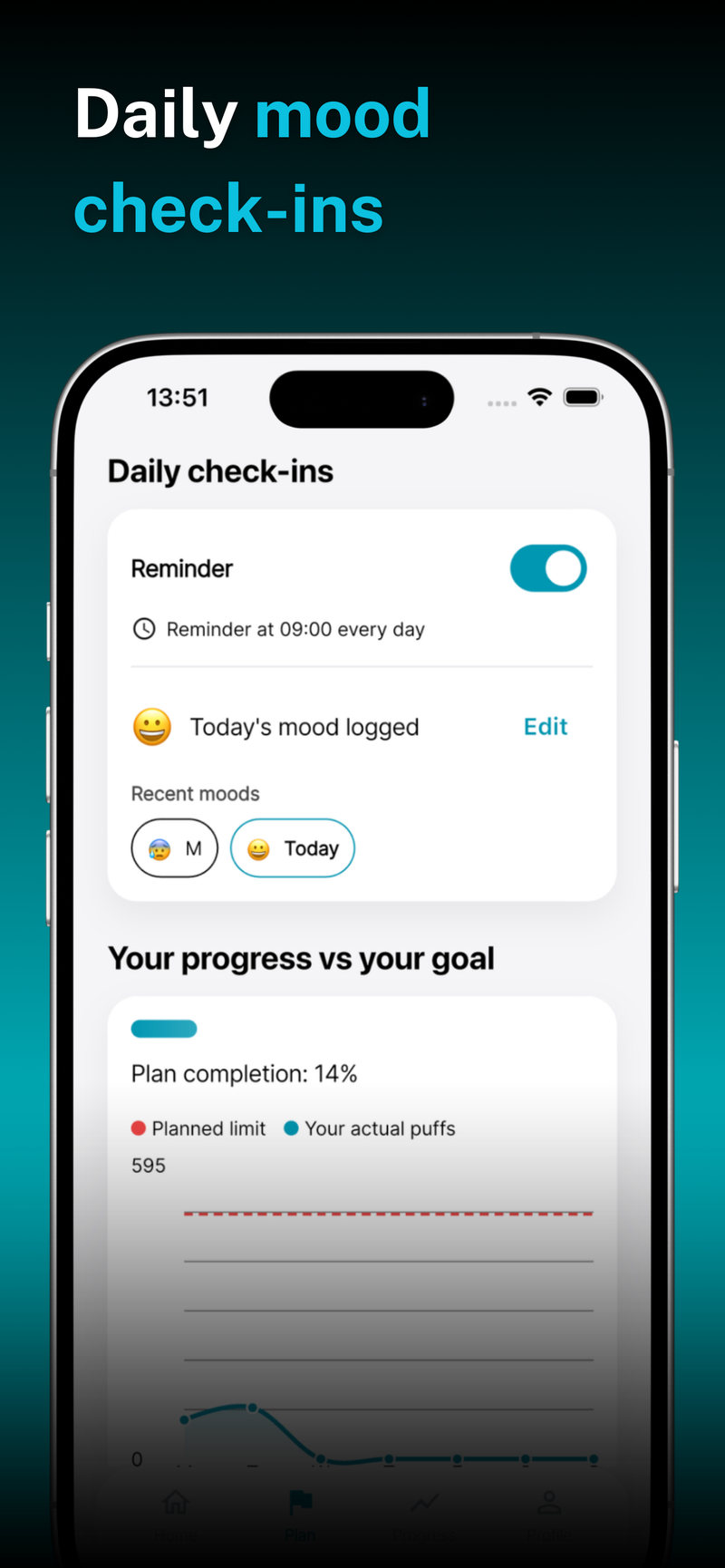
Daily MotivationProgress TrackingHealth MilestonesMoney Saved
💪 Onboarding & Personal Setup