Handle Nighttime Nicotine Urges: A Simple Quit Guide
Nighttime cravings can derail sleep and quit plans. This guide offers practical steps to delay, redirect, and reframe your bedtime routine to reduce late-night nicotine urges. Learn actionable strategies to protect your sleep and stay on track.
Introduction
Nighttime nicotine urges can feel like a tidal wave when you’re trying to sleep. You lie in bed, the day’s stress lingers, and suddenly the thought of lighting up or taking a puff seems irresistible. You’re not alone—many quitters report that evenings are the toughest time. The good news is that with a few practical changes, you can ride out those cravings and protect your sleep while you quit or cut back.
This guide offers simple, evidence-informed steps you can start today. No gimmicks, just practical habits that fit into real life.
Understanding Nighttime Urges
Why nights are tougher
Nights bring a natural drop in activity, which makes cravings more noticeable. Your brain has learned to associate bedtime with nicotine, so the cue becomes strong as you wind down. Sleep debt, stress from the day, and even late meals or caffeine can amplify urges. Importantly, cravings aren’t just about nicotine withdrawal; they’re also a habit you’ve built around your evening routine.
The biology of cravings after dark
Nicotine withdrawal symptoms can peak within the first few days to weeks of a quit attempt, and stress hormones rise when you’re anxious or tired. At night, reduced distractions and more quiet moments can make cravings feel louder. Recognizing these patterns helps you prepare for them rather than reacting impulsively.
Practical steps to ride out the urge at night
1) Delay, then decide
If a craving hits, try a deliberate delay.
2) Quick replacements in the moment
Have a small toolbox for nighttime cravings:
3) Create a calm bedtime routine
A consistent wind-down signals your brain that nicotine isn’t part of the plan:
4) Shape your environment
Limit reminders and access that trigger nighttime cravings:
5) Mindfulness and breathwork
Two minutes of calm breathing can reduce urges:
6) Move a little, then rest
A short, light activity helps redirect the brain from the craving:
7) Watch what you drink and eat close to bedtime
8) Build a craving toolbox
Prepare a small kit you can grab before bed: minty gum, a glass of water, a notepad for a quick reflection, and a short list of reasons you’re quitting. Keep it by your bed or in a nightstand drawer.
9) Reach out when you need support
Sometimes a quick call or text to a friend, partner, or family member makes a difference. If you’re part of a support group, use it during nighttime slips or moments of doubt.
10) If you slip, reset quickly
A slip happens to many quitters. Don’t punish yourself. Revisit your plan, note what triggered the cravings, and adjust your night routine accordingly. Each night you practice, you strengthen your ability to respond, not react.
Nighttime plan template
Here’s a simple evening plan you can adapt:
Long-term nighttime habit change
Consistency compounds. Small, repeatable actions—like a steady bedtime, a reliable craving toolbox, and quick coping strategies—are more effective than dramatic, one-off efforts. Behavioral approaches, mindfulness, and structured routines have been shown to improve quit success rates when implemented across weeks and months. Track your progress and celebrate nightly wins, not just weekly milestones.
Conclusion
Quitting or reducing nicotine is a journey, not a single act. By understanding why nights feel hardest and applying practical steps—delay, replace, wind down, and seek support—you can reclaim your sleep and your evenings. Build a bedtime routine that minimizes cues, sets boundaries, and reinforces your decision to quit.
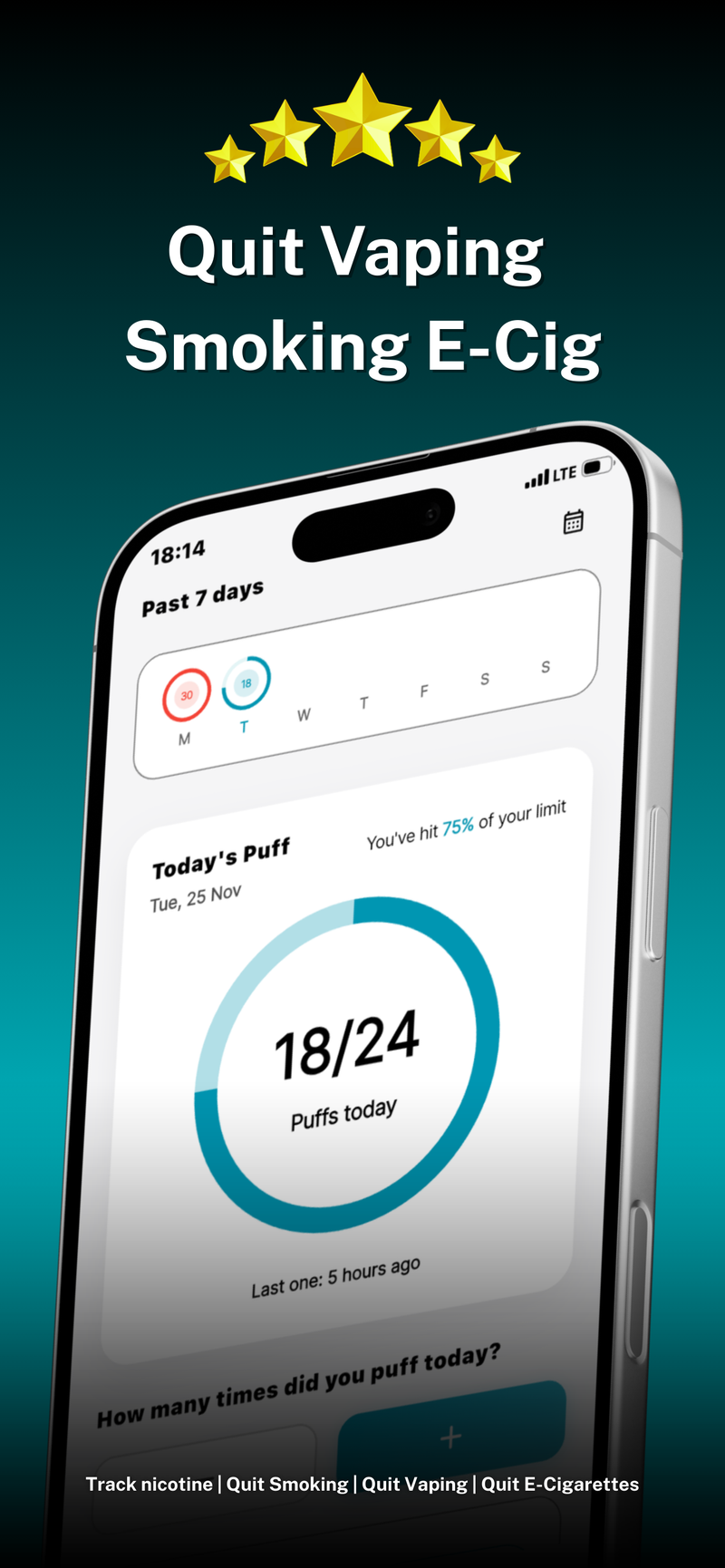
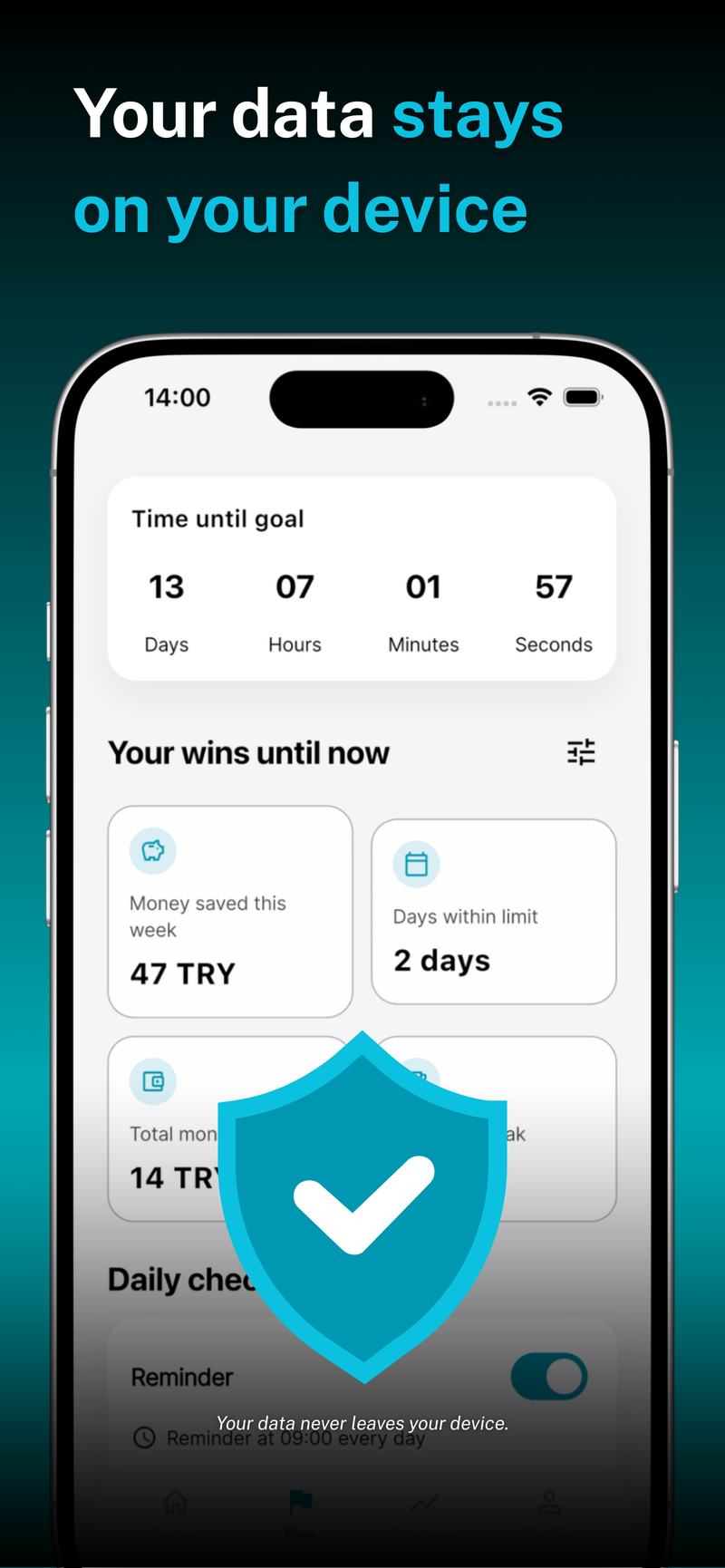
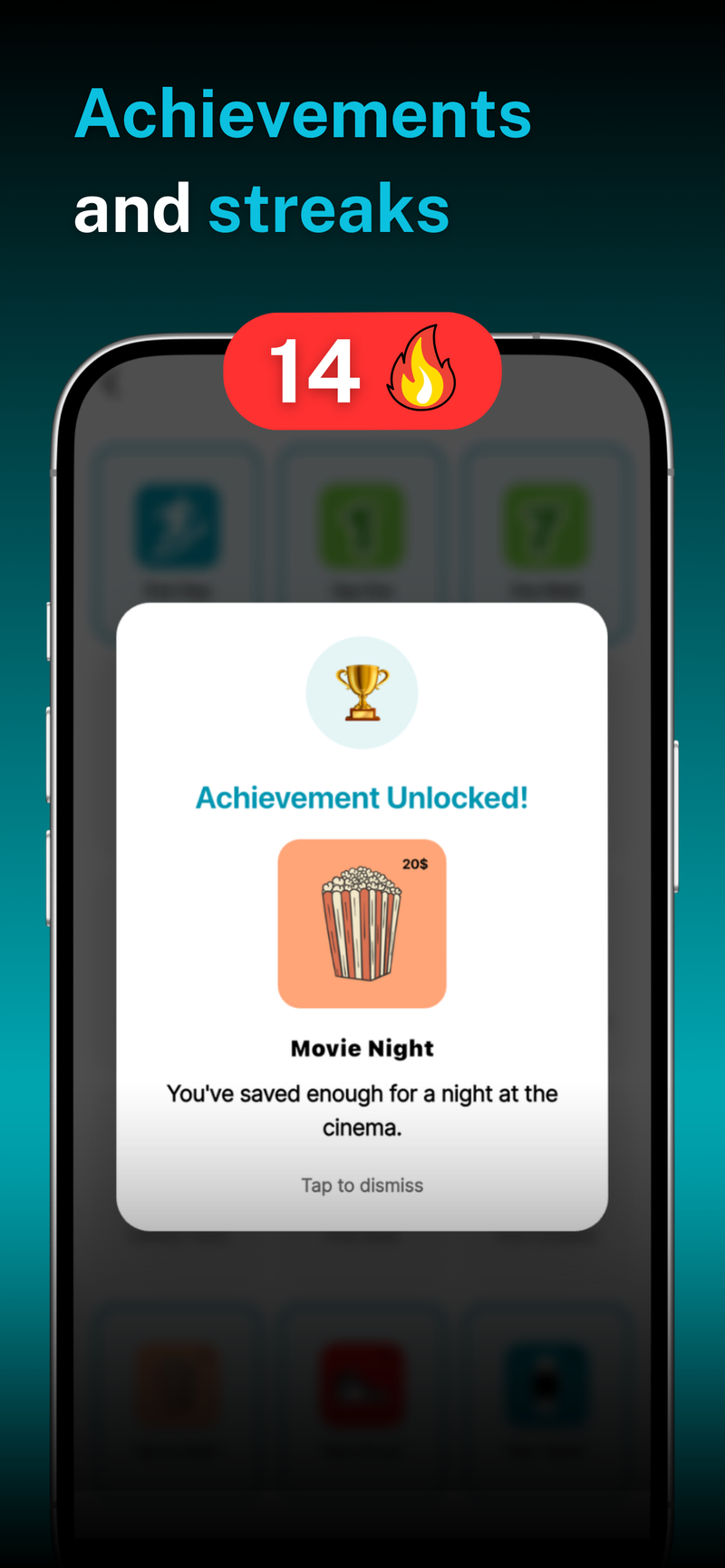
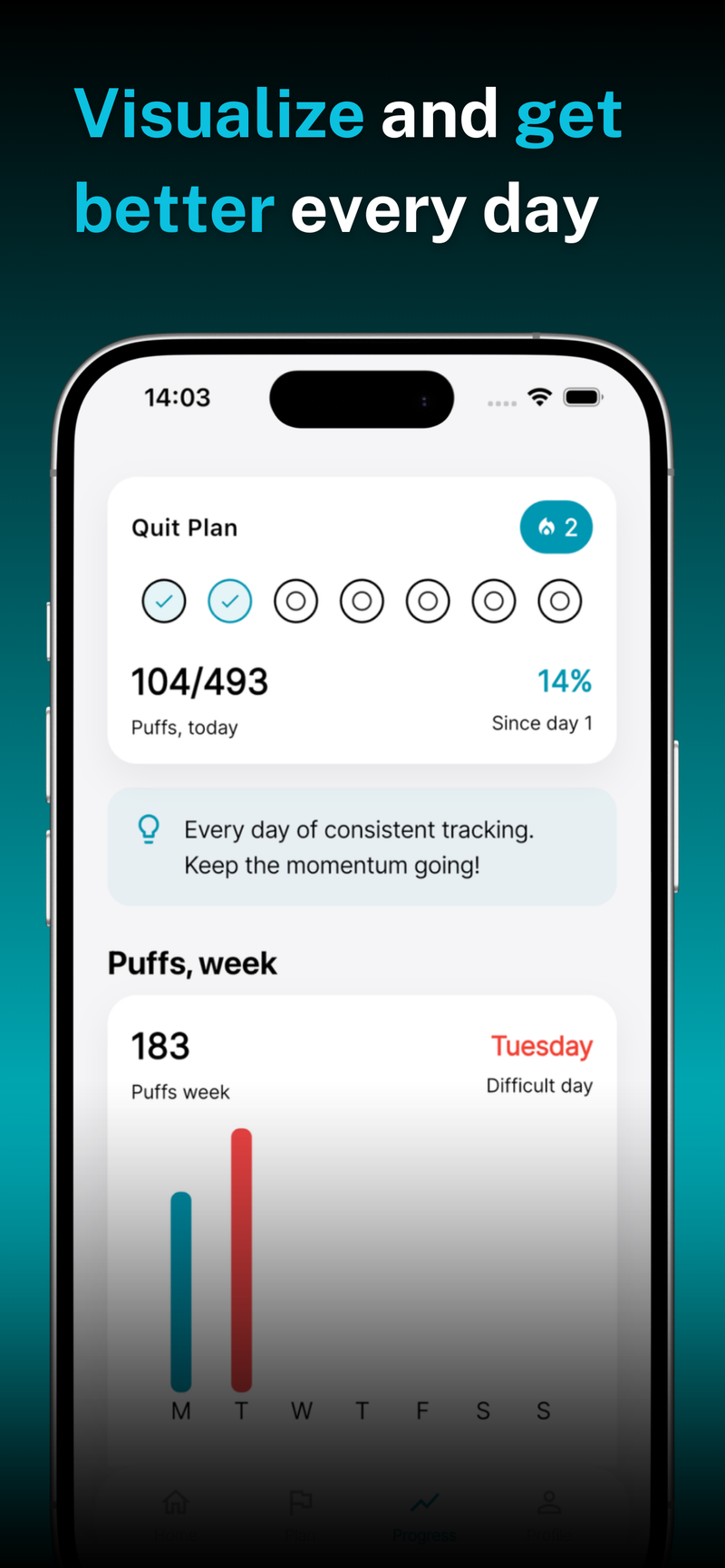
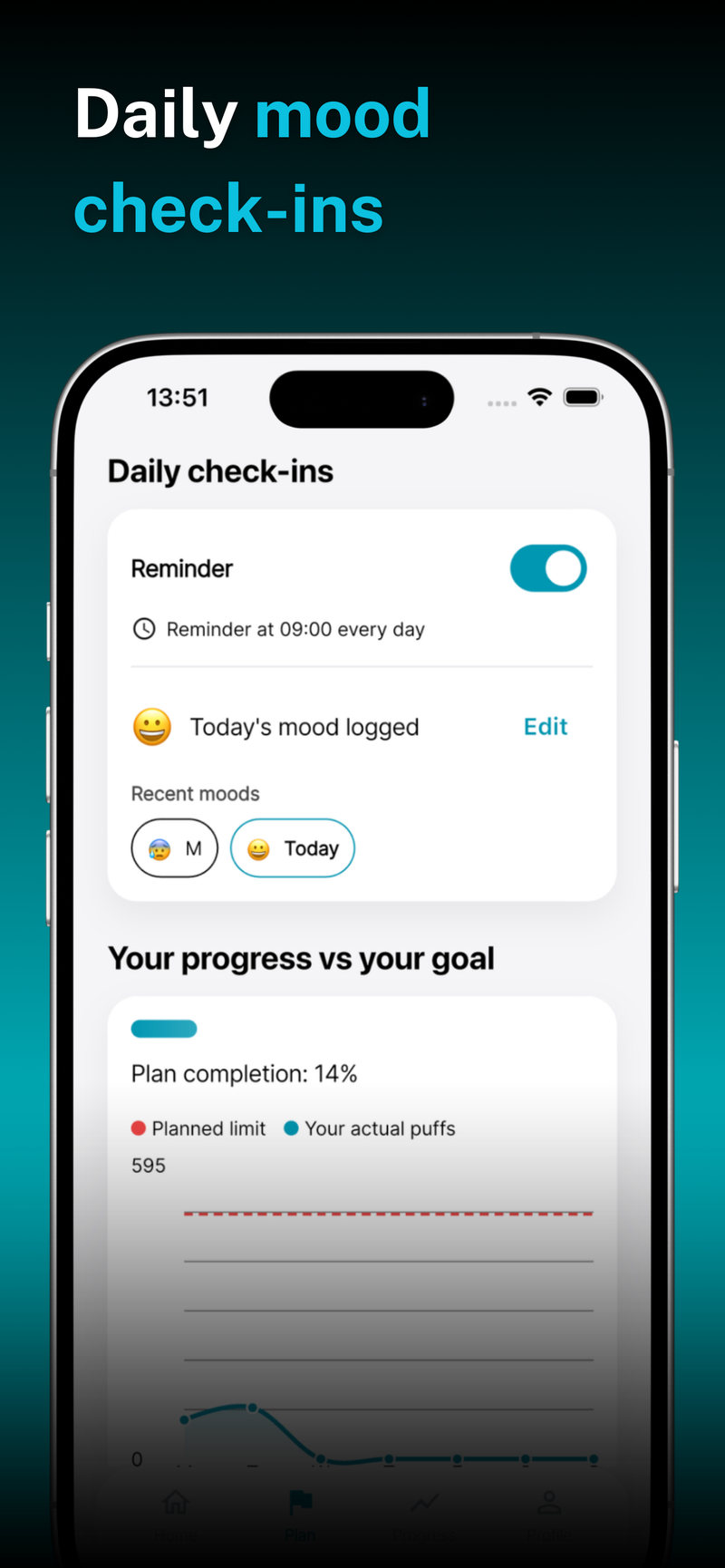
If you’re looking for a structured path to guide this process, consider a platform that supports onboarding and personal setup—helping you choose your product type, define your main goal, set a target timeline, and create a personalized plan. Quit Smoking & Vaping can help with this, offering focused onboarding and planning features (Fokus Puff – User-Facing Features) to tailor your quit journey to your needs.
💪 Onboarding & Personal Setup