
Five Daily Habits That Really Help You Quit Smoking
A practical guide to quitting smoking or vaping through five actionable daily habits. Learn goal-setting, craving management, routine changes, health-focused routines, and seeking support to build a sustainable smoke-free life.
Introduction
If you’re reading this, you’re exploring a smoke-free life. You already know the impact on your health, energy, and wallet, but quitting isn’t about a single moment of willpower. It’s about daily choices that compound into real change. Cravings arrive in predictable patterns, but with steady routines they become manageable. It helps to remember that nicotine withdrawal tends to peak in the first 24–48 hours, and cravings often ease after the first week or two. A structured, habit-based approach tends to improve your odds compared with going it alone.
Habit 1: Clarify Your Goal and Set a Realistic Timeline
Clear goals keep you oriented when cravings spike. Start with a simple plan you can actually stick to:
Example: If you smoke 12 cigarettes a day, you might aim to cut by 2 per week leading up to a quit date. That gradual path reduces the shock to your system and gives you time to build new routines. If you slip, log it, adjust, and keep going—slips are a normal part of the journey, not a final verdict.
Habit 2: Build a Craving Toolkit
Cravings are strongest when you’re surprised by them. Arm yourself with quick, practical responses:
Having a small toolkit ready makes cravings feel temporary rather than overwhelming.
Habit 3: Change Your Routine and Environment
Many triggers live in your daily rhythm. Rewire your routine to reduce automatic smoking:
Small environmental changes compound over days and weeks, reducing the number of times you reach for a cigarette.
Habit 4: Prioritize Sleep, Stress Management, and Movement
Healthy body systems support a smoke-free mindset:
Good sleep, steady stress management, and regular movement create a stronger foundation for quitting.
Habit 5: Seek Support and Accountability
You don’t have to do this alone. Build a support system that helps you stay on track:
Accountability turns intention into action and helps you weather tougher days with a clear plan.
Conclusion
Quitting smoking or vaping is a journey, not a single breakthrough moment. These five daily habits help you build resilience, reduce triggers, and create sustainable change over time. Start with one habit this week, then layer in others as you feel ready. Track your progress, celebrate small wins, and be kind to yourself on the rough days.
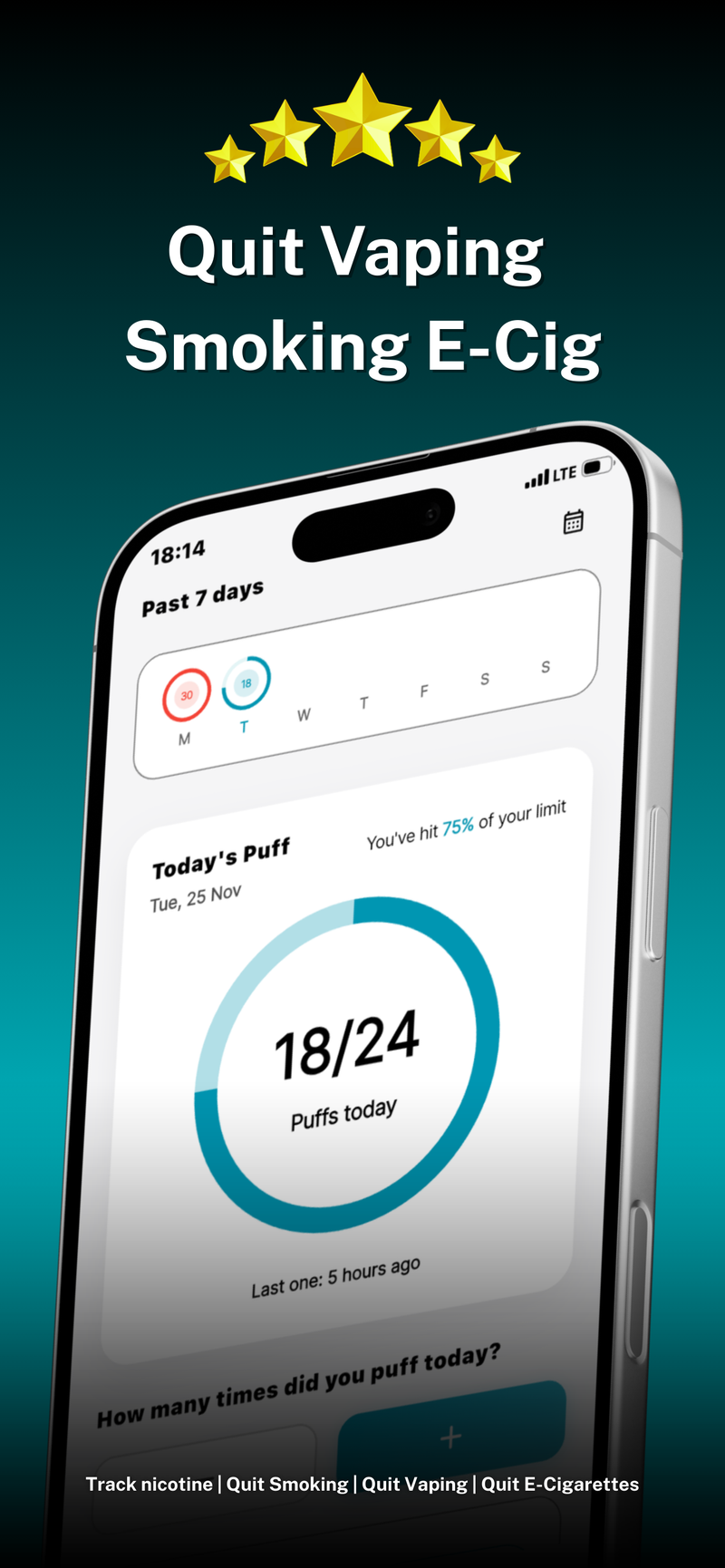
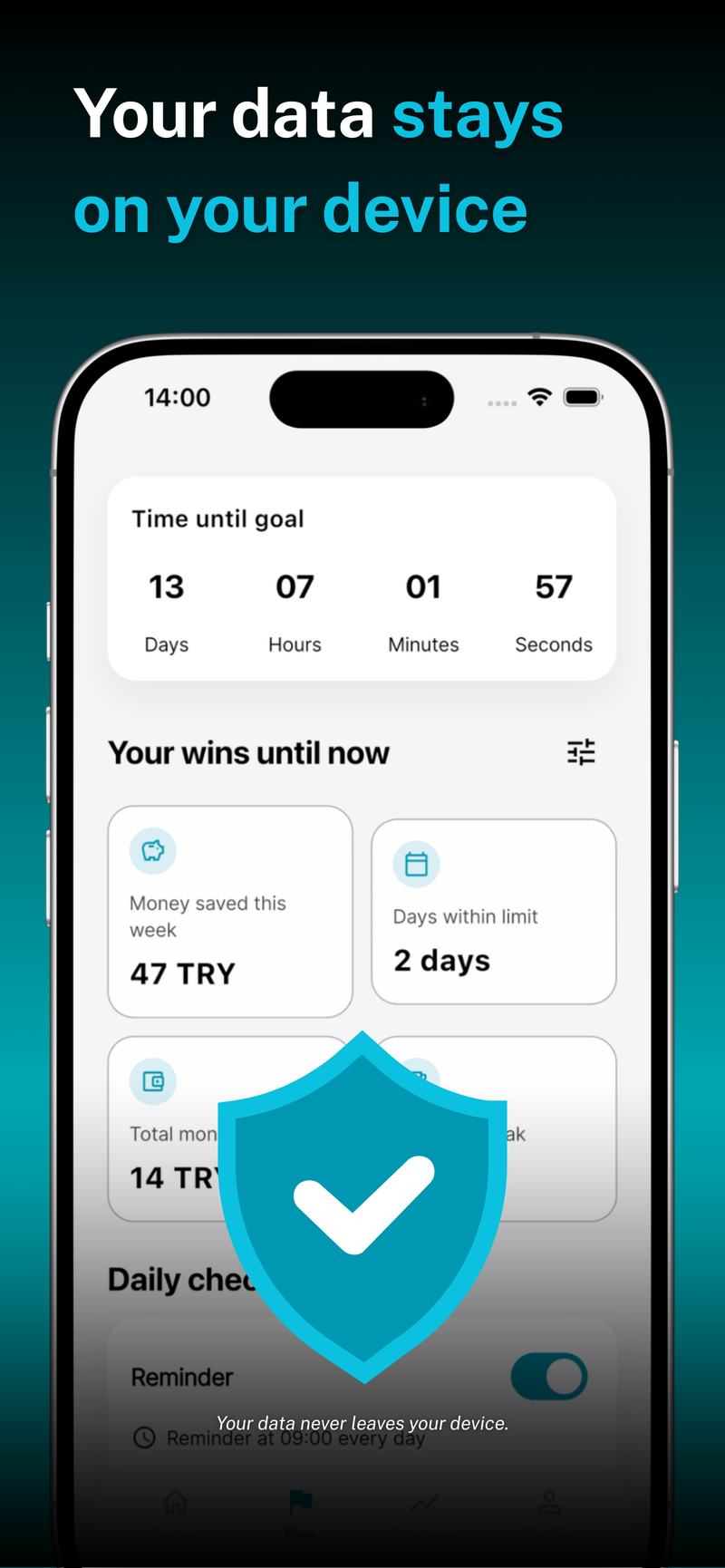
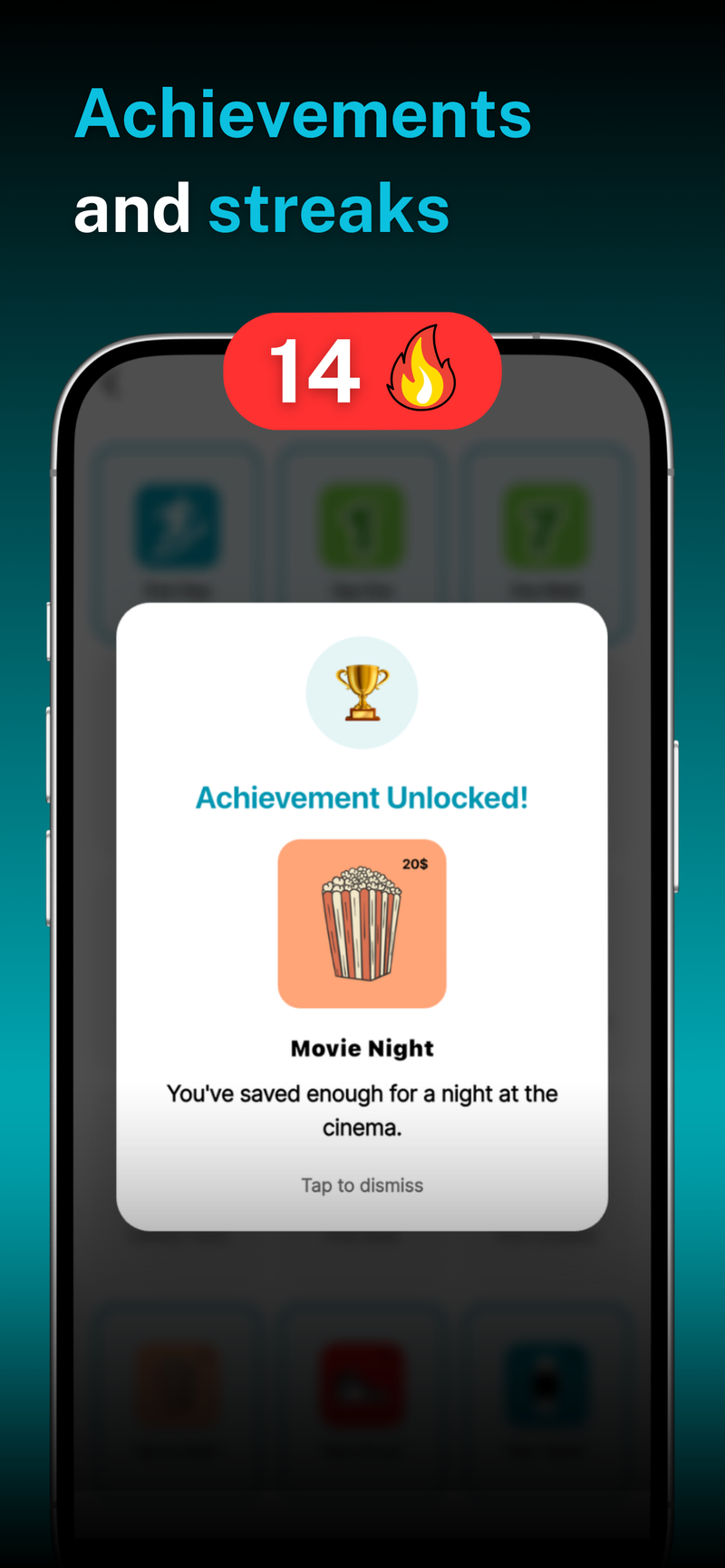
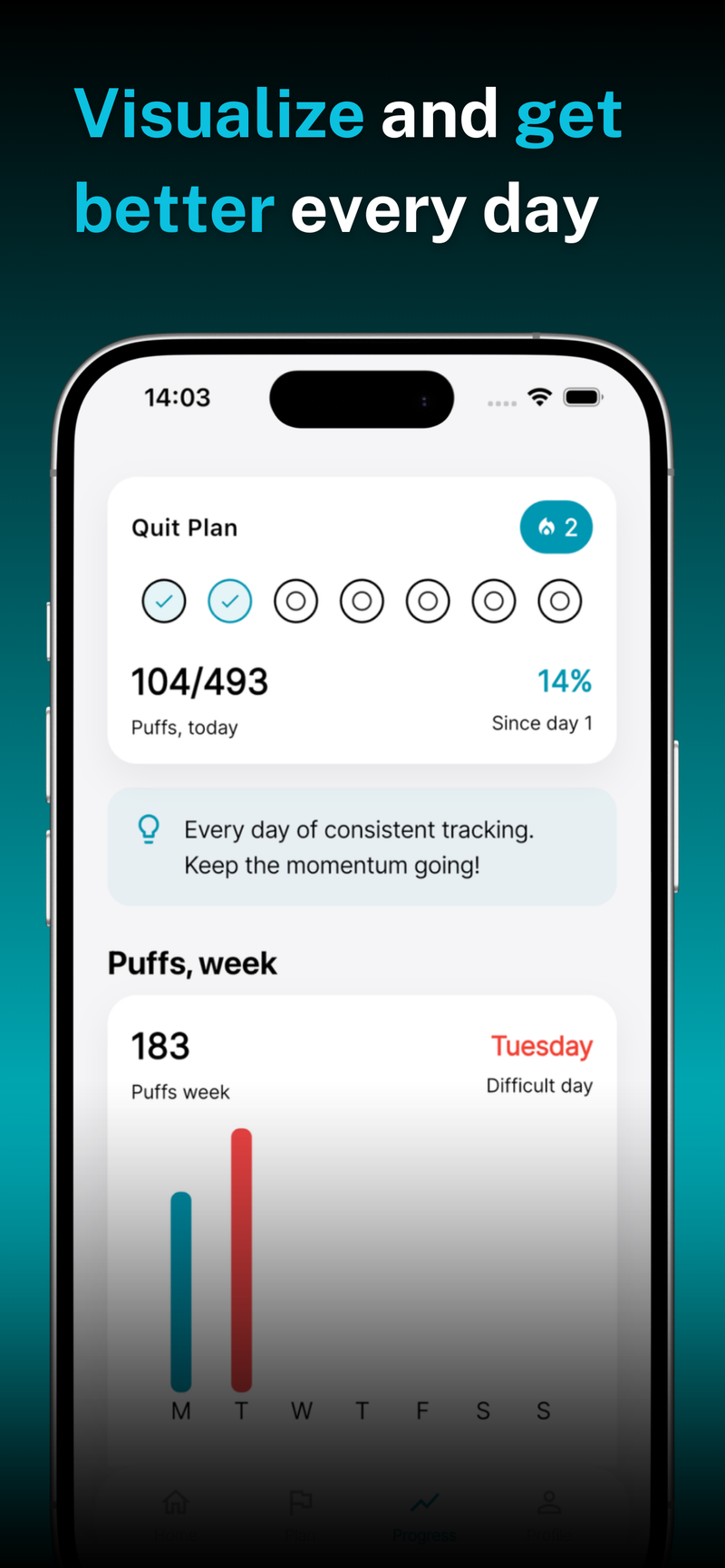
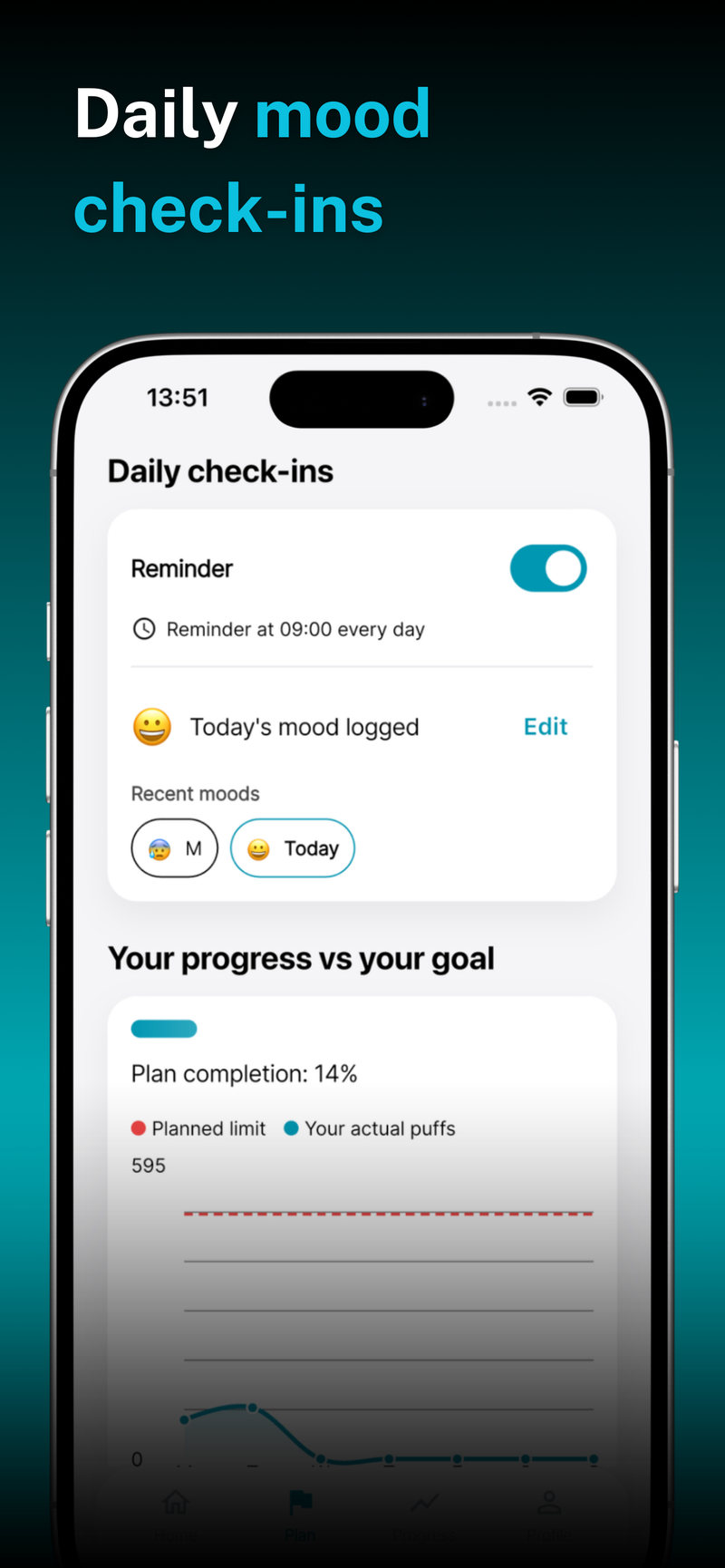
If you’re looking for a guided path that can tailor this plan to your life—from choosing your quit vs reduction path to step-by-step onboarding and monitoring your progress—consider a structured approach that emphasizes onboarding and personal setup. Quit Smoking & Vaping can help with this, offering a guided onboarding experience and a personalized setup to shape your plan around your unique situation.
💪 Onboarding & Personal Setup