Introduction
Are you staring at a crowded fridge, a shrinking pantry, and a bank balance that never seems to reflect your grocery habits? You’re not alone. Many families unknowingly waste food and overspend on groceries, leaving meals unfinished and budgets strained. The good news: a quick grocery budget audit can reveal where waste sneaks in and how to fix it—without complicated tools or drastic changes.
A recent look at typical household spending suggests that the average family wastes a meaningful portion of groceries each month, translating into about $1,500 per year parked in spoiled food and unused items. Small, deliberate steps can move that number much lower and make your weekly shopping more predictable.
Main content
Quick grocery waste audit: step-by-step
Step 1 — Gather your data
Pull last week’s receipts and check everything in your fridge, freezer, and pantry.Note items that were bought but not used, and those nearing expiry.Create a simple inventory list (produce, dairy, pantry, frozen, snacks).Step 2 — Track actual usage and leftovers
Keep a lightweight log for a week: what you cooked, what you ate, and what ended up in the trash or compost.Mark leftovers with a quick label date and planned reuse time (e.g., “Tuesday dinner” or “freeze for later”).If you notice a pattern like “we always discard half a bag of greens,” note it.Step 3 — Identify waste patterns
Categories to watch: produce that spoils before use, dairy nearing expiry, unopened items past their shelf life, bulk items opened but unused.Ask: Are portion sizes too large for your family? Do staples sit idle because you forgot about them?Quantify losses with a rough weekly percent waste figure (e.g., 8–12% of weekly groceries).Step 4 — Plan smarter meals around what you have
Create a simple 4–5 day meal plan based on on-hand items first, then fill gaps with a precise list.Designate a “use-it-up” day each week to clear fridge and leftovers before they spoil.Build a 1–2 week rolling menu that adapts to sales and seasonal produce.Step 5 — Shop with intention
Use a precise, prioritized shopping list; stick to it even if temptations arise.Buy flexible items (frozen vegetables, canned proteins, shelf-stable grains) that extend beyond one week.Consider smaller, more frequent trips if you tend to overbuy when groceries are on sale.Step 6 — Storage and preservation matters
Keep your fridge between 37–40°F (3–4°C) and the freezer at 0°F (-18°C).Store produce properly (some items last longer in the crisper, others in the fridge door).Label leftovers with the date and a recommended use-by window; freeze excess portions as soon as possible.Step 7 — Involve the whole family
Assign simple roles: one person tracks perishables, another plans meals, a third handles leftovers.Have a quick weekly review (10 minutes) to adjust plans and celebrate reductions in waste.Keep the conversation constructive: frame waste-reduction as money-saving and meal-improvement, not blame.Practical tips to reduce waste day-to-day
Do a 5-minute daily fridge scan: what’s about to go bad today? Incorporate it into dinner planning.Use smaller containers for portions; you’ll see leftovers more clearly and avoid over-serving.Freeze smart: soups, stews, cooked grains, and chopped vegetables freeze well and extend usable life.Rotate items using FIFO (first in, first out) with visible dates and a simple shelf label system.Batch-cook and repackage: one large batch into several dinner-sized portions rather than a single family supper.Don’t mothball sale items; align them with your meal plan so discounts translate into actual savings.Data-driven strategies for long-term impact
Start with a 1-week audit, then extend to 2 weeks. Most families see noticeable reductions in waste after a short, focused period.Compare planned meals to actual consumption. If you consistently skip planned meals, adjust the plan to align with real preferences.Track waste cost rather than just weight or volume. A dollar-focused view often motivates steadier improvements.Use a simple “on-hand first” rule: always decide what to cook from what you already have before grabbing a new item.Implementing a family system that sticks
Set a shared goal (e.g., reduce weekly grocery waste by 30% within a month).Create a one-page grocery protocol: how you inventory, plan, shop, and store.Keep a small, visible dashboard at home (a whiteboard or a note in the kitchen) to track progress and celebrate wins.Rotate responsibilities every couple of weeks to prevent burnout and keep engagement high.Conclusion
Reducing grocery waste isn’t about perfection; it’s about clarity, consistency, and small shifts that compound over time. By auditing what you actually use, planning smarter meals, and tightening your shopping habits, you can dramatically lower waste and tighten your budget. Focus on quick wins first—inventory, a use-it-up day, and a disciplined shopping list—and build from there.
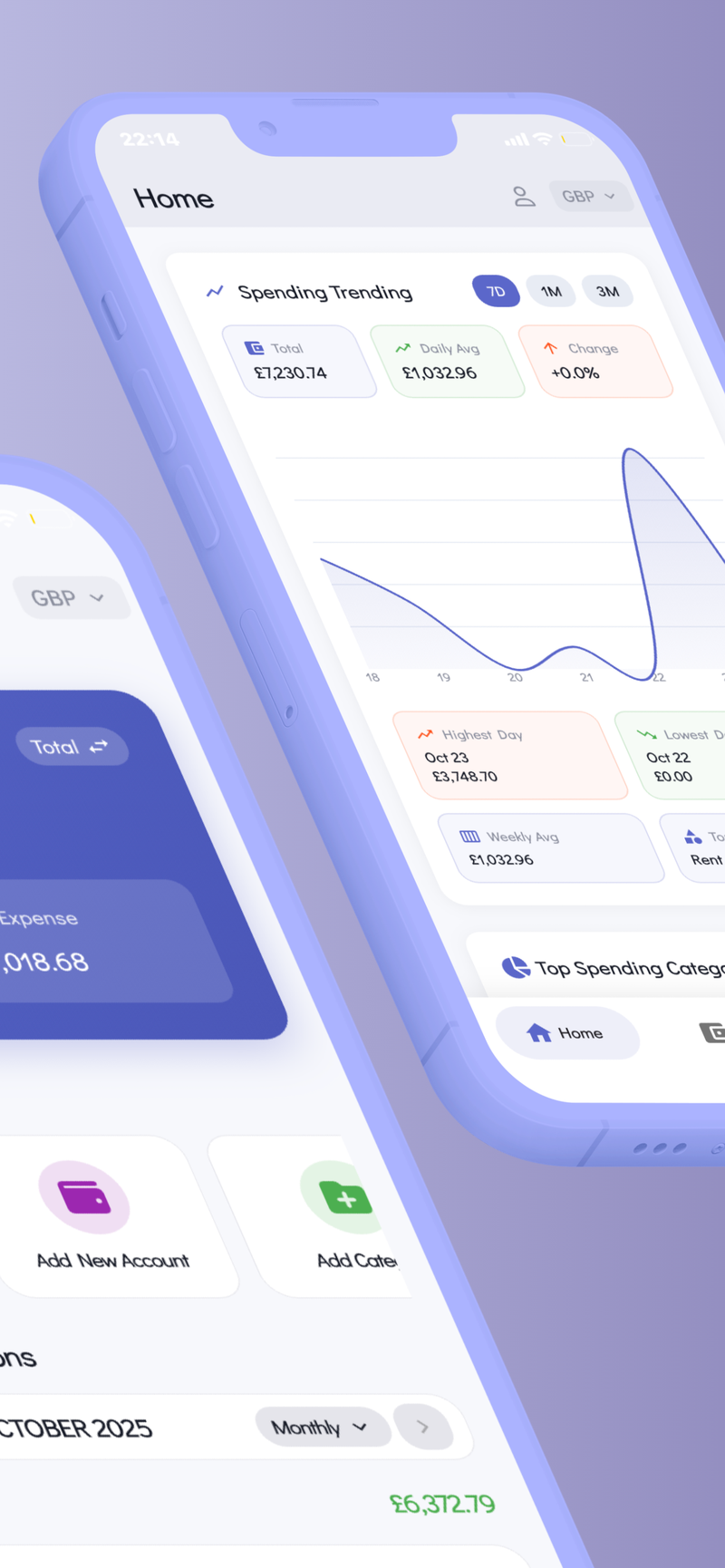
If you’re looking for a simple way to keep your grocery budget aligned with your family goals while keeping personal data private, consider tools that let you manage multiple profiles and budgets in one secure place. A privacy-focused budgeting tool with features like Multi-Profile Support can help you coordinate spending across family members without complexity, making it easier to sustain these healthy habits over the long term.
Promoted feature: Multi-Profile Support