
Designing a Sleep Schedule to Support Quitting Nicotine
Design a sleep-forward plan to support quitting nicotine. Learn a consistent sleep window, wind-down rituals, and daytime habits that ease withdrawal. Practical steps help you stay on track and sleep better during your quit journey.
Introduction
If you’ve decided to quit nicotine, you’re already tackling a powerful change. One part of that journey that often gets overlooked is sleep. Nicotine withdrawal can disrupt sleep, and poor sleep can make cravings feel stronger the next day. The good news: you can design a sleep schedule that supports reduction or cessation, lowers stress, and reduces mood swings that fuel cravings.
This article offers practical, field-tested steps to build a sleep plan that works alongside your quit goal. You’ll learn how to set a reliable sleep window, create a calm bedtime routine, optimize your environment, and use daytime habits to improve sleep quality. Even small changes can reduce the intensity of withdrawal symptoms and help you stay on track.
Why sleep matters when quitting nicotine
Main Content
1) Build a consistent sleep window
Aim for a fixed bedtime and wake time, even on weekends. Start by choosing a target bedtime that allows 7–9 hours of sleep when you wake at a consistent time. If you’re currently going to bed at 1 a.m., shift to 12:30 a.m. for a few days, then earlier in 15-minute steps until you reach your target.
Tips:
2) Create a wind-down routine that reduces cravings
A calm routine signals your brain that night is coming. Start 60–90 minutes before bed:
If cravings peak at night, have a non-nicotine coping plan: water, a short walk, or a brief mindfulness exercise. Cravings often pass within a few minutes when you shift focus.
3) Optimize your sleep environment
Small changes can improve sleep quality dramatically:
4) Manage withdrawal symptoms at night
Common nighttime withdrawal symptoms include restlessness, vivid dreams, or feelings of irritability. Plan for these:
5) Daytime habits that support sleep
Daylight and activity shape nighttime sleep:
6) A practical 7-day plan to start
Adapt as needed: if you’re still waking at night after two weeks, shift bedtime earlier by 15 minutes and re-check your caffeine and nicotine timing.
7) Track progress and know when to adjust
Conclusion
Quitting nicotine is a holistic process, and sleep is a powerful ally. By establishing a reliable sleep window, building a calming bedtime routine, and aligning daytime habits with sleep needs, you can reduce withdrawal discomfort and support your quit goals. Small, consistent steps compound over time, making cravings easier to manage and perseverance more sustainable.
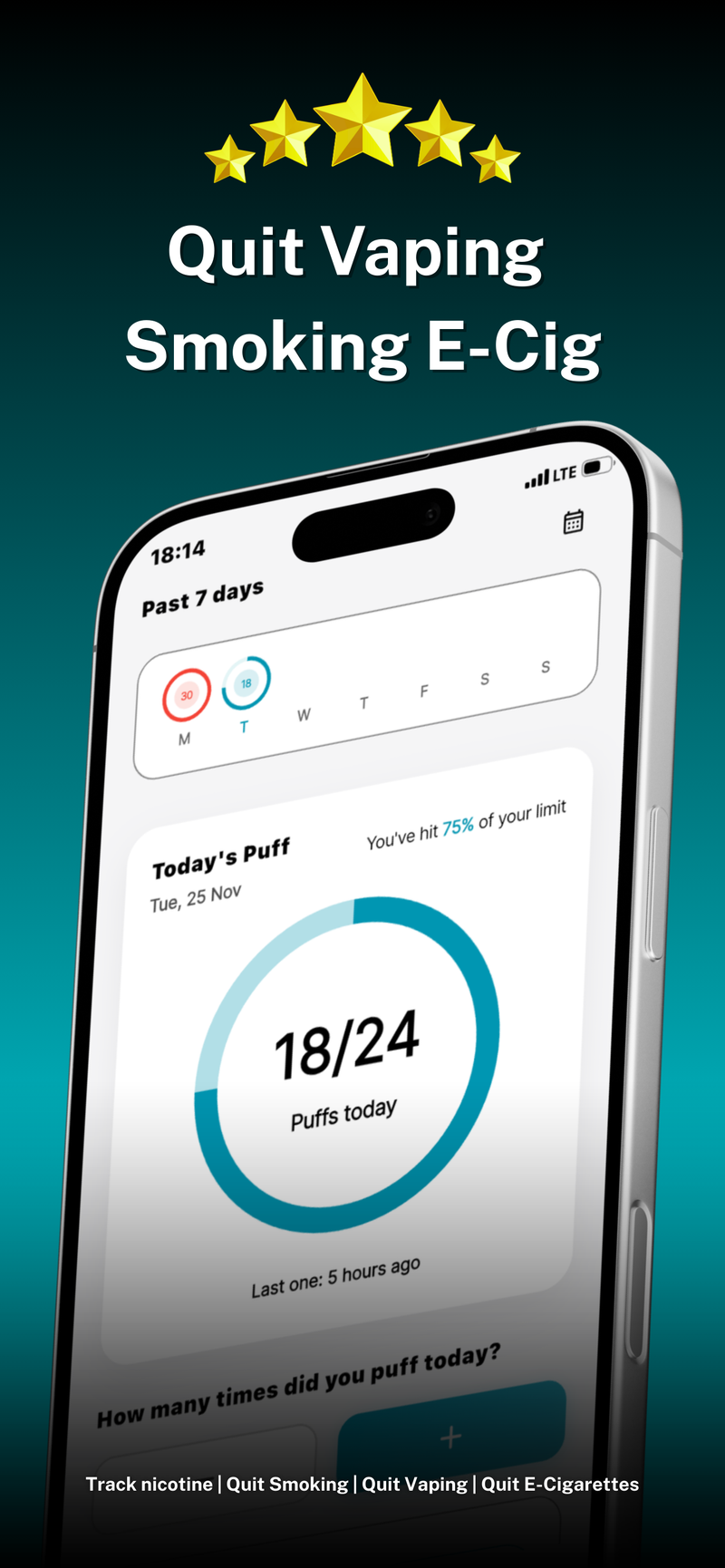
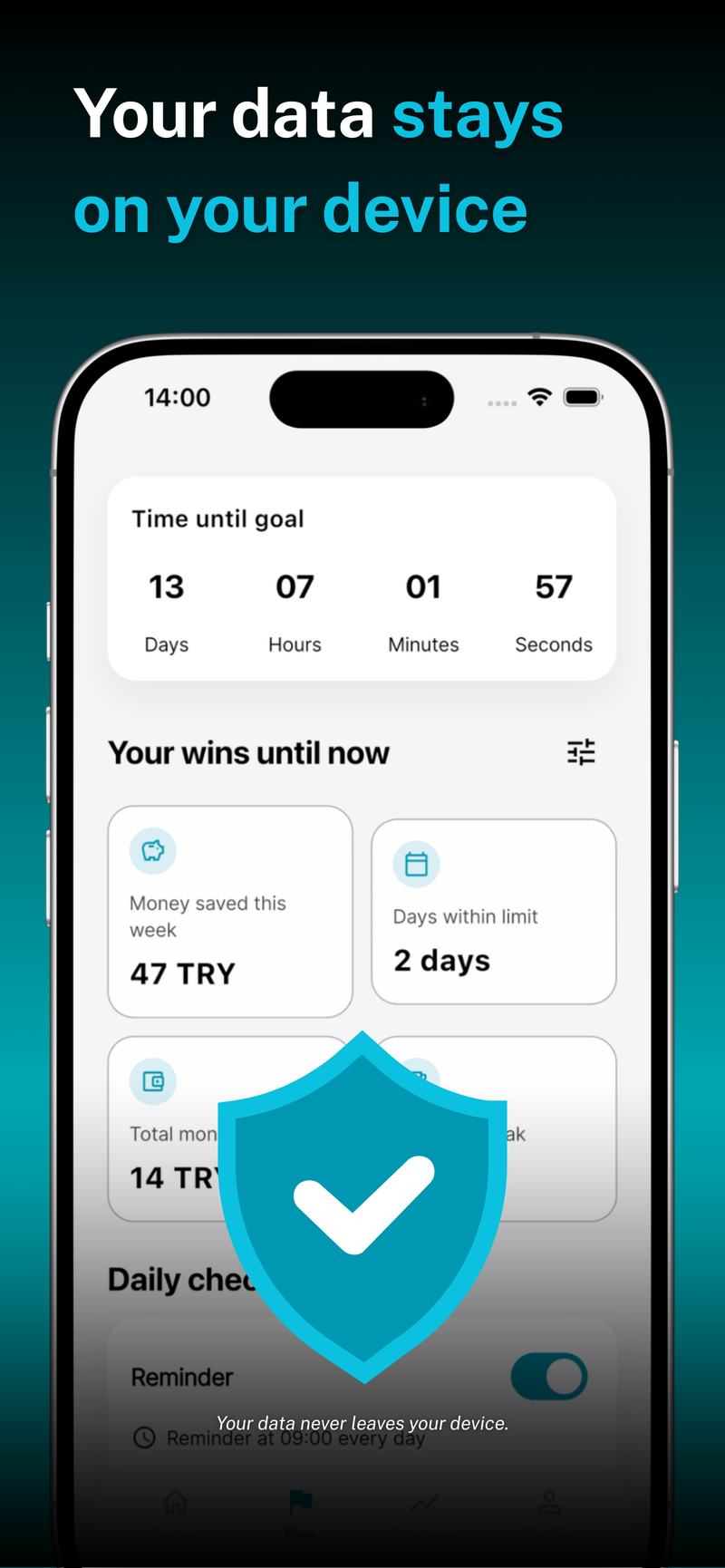
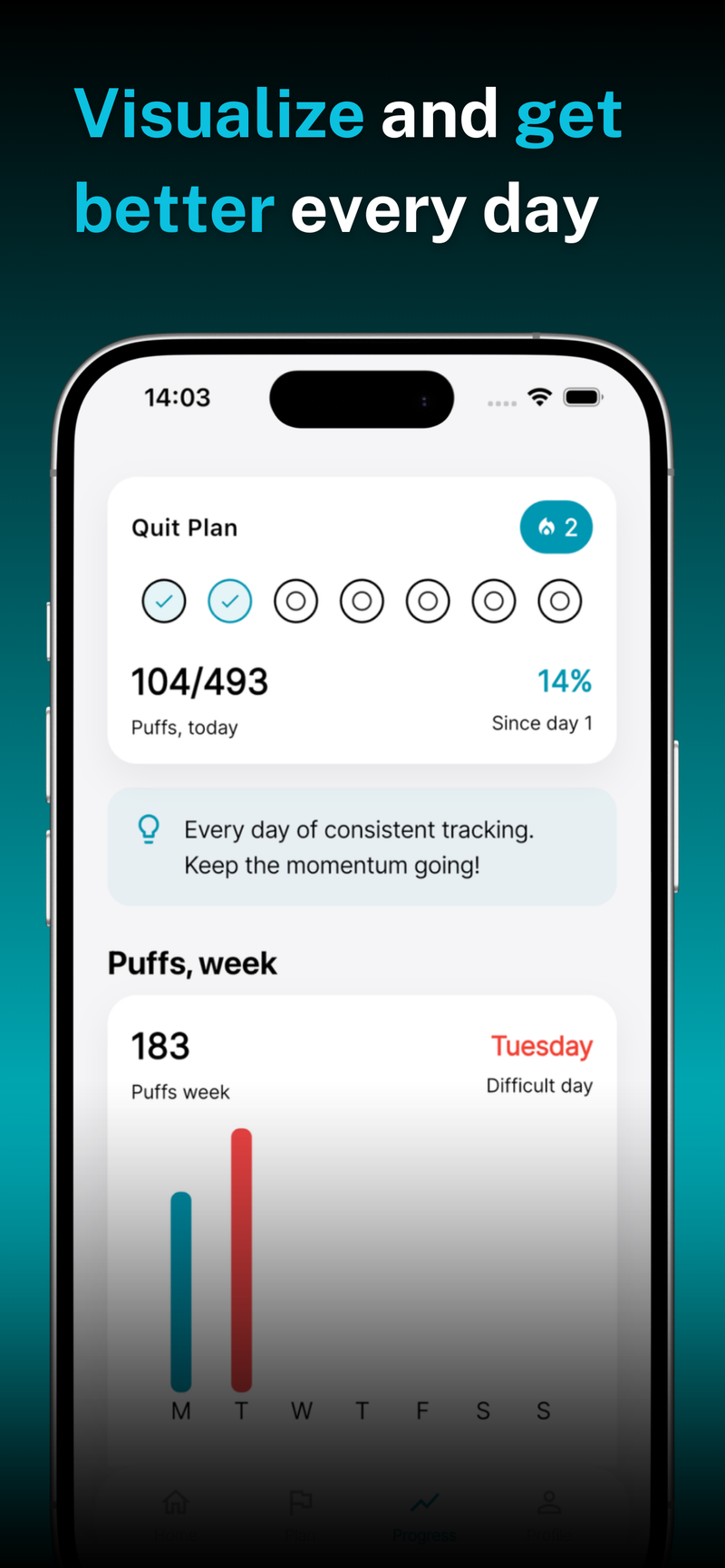
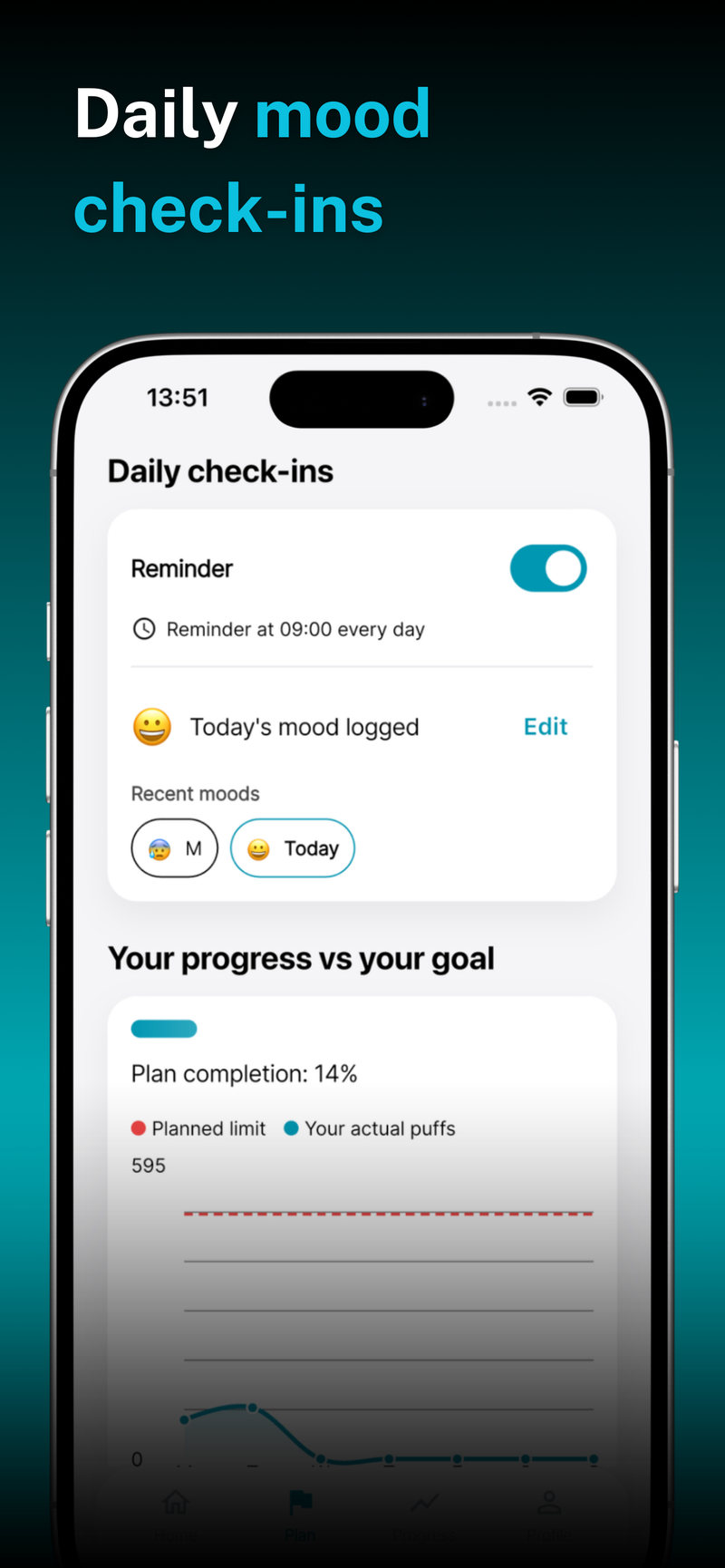
If you’re looking for a structured way to tailor this plan to your exact situation, the Quit Smoking & Vaping onboarding can help with a personalized setup. The Fokus Puff user-facing features guide you through onboarding, choosing your product type, setting your quit goal, and planning a realistic timeline—all designed to support your sleep-friendly quit journey. Consider it a practical extension of the strategies above, not a replacement for your commitment to change.
💪 Onboarding & Personal Setup flow