Introduction
Are grocery bills creeping up month after month, squeezing your family budget? You’re not alone. Small, consistent changes to how you shop, cook, and plan can add up to meaningful savings without sacrificing meals your family loves. This guide offers practical, actionable steps you can start today.
Plan before you shop
The most effective savings start before you set foot in the store.
Inventory first: Check what you already have in the pantry, fridge, and freezer. Note staples you’re low on and what will spoil soon.Set a weekly cap: Decide on a realistic limit for groceries this week based on your overall budget.Meal plan: Create a simple 5–7 day plan that uses ingredients you already own plus a few affordable additions.Make a precise list: Write items in the order you’ll encounter them in the store. This reduces stray purchases.Check weekly ads and sales: Identify items you’ll actually use that are on sale. If you don’t need it, skip it.Price per unit: Always compare price per ounce, per pound, or per gram, not just the advertised total price.Favor seasonality and versatility: Seasonal produce is cheaper and tastier; plan meals around affordable proteins like legumes, eggs, and canned fish when appropriate.Avoid pre-cut and convenience items: They’re convenient but usually come with a sizable price premium.Shop smarter, not harder
Smart shopping doesn’t require extreme discipline; it requires smart choices.
Store brands often offer comparable quality at a lower price. Start by trying one or two items you regularly use.Frozen can be your friend: Frozen vegetables and fruits are often cheaper and store well without waste. Frozen proteins can also be economical.Bulk wisely: Buy non-perishables in bulk when it truly saves money and you’ll use them before they expire.Coupons and loyalty programs: Use only for items you already buy and will use. If it’s not in your plan, it’s not a saving.Resist impulse buys: Keep to the list. If you see something on sale that isn’t needed, skip it and reconsider next week.Compare not just brands, but packaging: A larger package isn’t always a better value if you won’t use it before it spoils.Cook from scratch and reduce waste
Home cooking can dramatically cut costs compared with ready-made meals.
Batch cooking: Prepare several meals at once and freeze portions for busy days.Leftovers as fuel: Transform leftovers into new lunches or dinners (think roasted vegetables into quesadillas, or a leftover roast into sandwiches).Proper storage: Store fruits and vegetables correctly to extend shelf life and reduce spoilage.One-and-done portions: Use measuring cups or a kitchen scale to portion servings so you don’t over-serve or waste.Freeze smart: Freeze soups, stews, and cooked grains for future weeknights.Reuse ingredients: Build meals around a few core ingredients to minimize waste and simplify shopping.Smart buying strategies
Maximize value while keeping meals varied and nutritious.
Plan around sale items: Build your week’s meals around items that are discounted, but only if you’ll actually use them.Pantry staples: Keep a curated list of versatile staples (rice, beans, pasta, canned tomatoes, spices) so you can improvise without extra trips.Herbs and flavor: Grow basic herbs at home or buy them dried in bulk—both cheaper than frequent fresh purchases.Protein on a budget: Use beans, lentils, eggs, and cheaper cuts of meat when appropriate. Plan at least a couple of meatless meals per week.Involve the family: Let kids help pick affordable meals; they’re more likely to eat what they helped plan.Track progress and adjust
Savings compound as you refine your process.
Weekly review: Compare actual spending to your target and note what surprised you (price increases, stock issues, impulse buys).Adjust menus: If certain items spiked in price, swap them for cheaper alternatives in the same dish.Simple ledger: Keep a basic log (item, cost, date) in a notebook or a note app to spot trends over time.Celebrate small wins: Even saving a few dollars each week adds up to meaningful annual savings.Special tips for families
Families bring unique challenges and opportunities.
Budget for snacks: Pre-plan snack options, including healthier, affordable choices like fruit, yogurt, or homemade popcorn.Kids as helpers: Assign simple budgeting tasks (like checking sales or tallying a week’s meals) to teach money skills.Plan for leftovers: Build a family-friendly rotation where leftovers become the next day's lunch or a new dish later in the week.Store visits as a routine: A consistent shopping cadence (e.g., once a week, with a quick mini-trip for fresh items) helps avoid last-minute splurges.Practical tools to stay on track
Use a simple budgeting method: a single-page plan that captures weekly meals, items needed, and a spending cap.Keep a running list: Maintain a living shopping list to update as you use items, preventing last-minute buys.Monthly reflection: At month’s end, assess which strategies saved you the most and which items tend to derail your budget.Conclusion
Cutting family grocery bills isn’t about deprivation; it’s about smarter planning, disciplined shopping, and making the most of what you already own. Start with one or two changes this week—inventory and a focused meal plan—and expand as you gain confidence. Track your progress, stay flexible, and involve your family in the process. Small, consistent improvements compound into real savings over time.
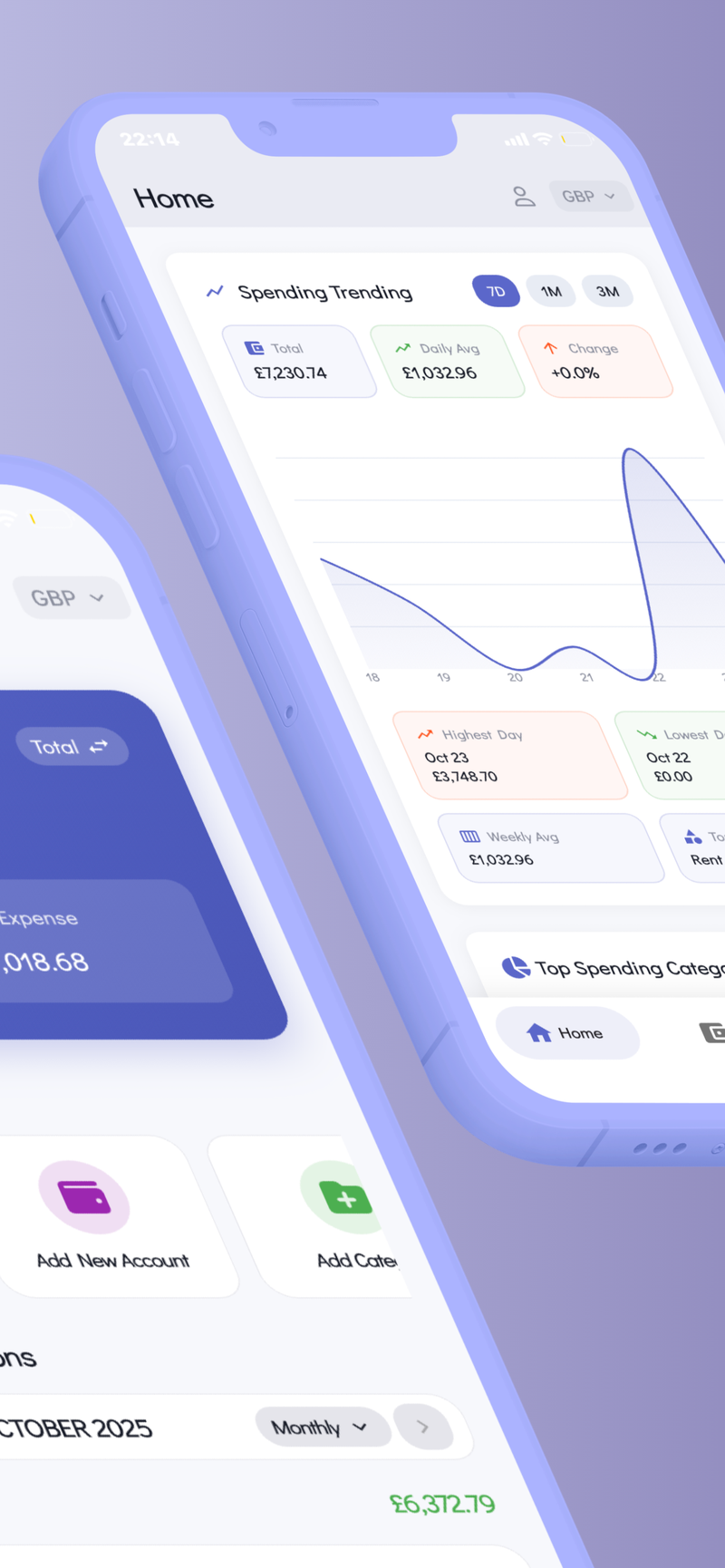
If you’re looking for a practical way to track grocery expenses across multiple people while keeping data private on your device, Fokus Budget can help with features like Multi-Profile Support. It’s a discreet, private tool to support your budgeting journey, not a flashy sales pitch—just a helpful option to consider when you’re ready to broaden how you manage family f