
·Health
Craving Triggers: Practical Guide to Quitting Nicotine
Cravings follow recognizable patterns. This practical guide helps you map your triggers, deploy quick coping strategies, and build a realistic plan to quit smoking or vaping for good.
smoking cessationnicotine cessationcraving managementbehavioral strategiesrelapse prevention
Introduction Cravings can feel like they come out of nowhere—a sudden need you can’t quite explain. If you’re trying to quit smoking or vaping, you know the pattern: a moment, a cue, and then a compelling urge to reach for nicotine. The good news is that cravings follow patterns too. With a clear map of your triggers and practical coping steps, you can ride the urge rather than letting it steer your day. This guide focuses on real-world strategies you can apply today. You’ll learn to recognize triggers, build a plan for high-risk moments, and strengthen your ability to stay on track—even when cravings peak. ## Understanding craving triggers Craving triggers fall into a few broad categories. Recognizing which kind hits you can guide your response. ### Emotional triggers - Stress, irritability, sadness, boredom, or anxiety often spark urges. These feelings can be tied to routines (finishing work, winding down at night) or life events. - Quick fix: pair a craving with a non-nicotine coping activity (deep breathing, a short walk, or a quick call with a friend). ### Situational triggers - Certain places, people, or activities (after meals, at the bar, or during breaks) can cue nicotine use. - Quick fix: change the routine just enough to break the association (a post-meal tea, a stretch, or a 5-minute workout instead of lighting up). ### Routine and habit triggers - The time of day, a cigarette-paired ritual, or a favorite hoodie or chair can become signals. - Quick fix: create a new mini-routine to replace the nicotine cue. ### Withdrawal and craving dynamics - Cravings peak within minutes and then fade. They’re often strongest during the first 2-4 weeks after quitting. - Quick fix: use a delay technique (see below) and practice a grounding exercise to ride the wave. Note on success rates: estimates vary, but a large portion of quit attempts relapse within the first year. Acknowledging this helps you plan for setbacks and stay focused on long-term progress. ## Practical strategies to ride the craving wave ### 1) Delay, then engage - When a craving hits, tell yourself you’ll wait 5 minutes. During those minutes, do something engaging (a quick stretch, a cold splash of water, or a short walk). - Why it works: cravings often pass if you give them space and interrupt the cue with something else. ### 2) Ground yourself with a quick routine - Try box breathing: inhale for 4 seconds, hold for 4, exhale for 6, and repeat 4 times. This slows the nervous system and reduces the urge. - Grounding technique: name 5 things you can see, 4 you can touch, 3 you can hear, 2 you can smell, 1 you can taste. ### 3) Use replacements wisely - Have healthy substitutes on hand: sugar-free gum, hard candy, or a flavored water (sip slowly to keep your mouth busy). - Keep a small bag of crunchy vegetables or nuts for a tactile, satisfying routine substitute. ### 4) Change your environment - Remove obvious cues from your space (ashtrays, lighters, vapes, or a pack of cigarettes). - If you can’t remove an element, alter how you respond to it (stand up, take a 2-minute walk, switch seats, etc.). ### 5) Build a flexible daily plan - Structure matters. Sleep well, eat balanced meals, and stay hydrated. Skipping meals or caffeine crashes can amplify cravings. - Plan high-risk moments: after meals, first thing in the morning, or during social events. Have a ready-made alternative activity for each. ### 6) Mindset: view cravings as signals, not commands - A craving is a momentary signal, not a verdict on your week or your future. - Practice self-talk: “This feeling will pass. I’ve managed this before. I choose not to smoke/vape.” ## Create a trigger map for your plan 1) List your common triggers (time of day, emotions, places, people). 2) For each trigger, write a 1-line coping plan (delay, breathe, replace, relocate). 3) Keep the map visible (phone wallpaper, sticky note, or a small card in your wallet). 4) Review weekly and adjust as you notice new triggers. Examples: - Trigger: After lunch stress. Plan: 5-minute walk, sip water, do 2 quick stretches. - Trigger: Social gatherings with friends who vape. Plan: Bring a non-nicotine ritual (mint), set a boundary, arrange a post-event activity. ## Social situations and support - Tell trusted friends and colleagues about your quit plan. Clear support reduces pressure to relapse. - Prepare polite scripts: “I’m taking a break from nicotine for now; I’m focusing on healthier choices.” - If a party includes heavy smoking or vaping, plan an exit route or a non-nicotine activity you’ll do instead. ## Recognizing withdrawal and managing mood - Common symptoms: irritability, sleep disturbances, restlessness, mild anxiety, trouble concentrating. - Coping tips: short naps if you’re very tired, light exercise to boost mood, magnesium-rich foods for sleep quality, and consistent bedtime routines. - If mood concerns persist, consider speaking with a professional to develop a tailored plan. ## Long-term view: relapse prevention and resilience - Expect ups and downs. A slip doesn’t erase progress—it’s data you can learn from. - Track milestones (one week, one month, three months of nicotine-free days) to reinforce motivation. - Revisit your trigger map regularly and refresh coping strategies for evolving routines. If you’re struggling, seek help early. Peer support, counseling, or medical options can markedly improve success odds and help you stay the course. ## Conclusion Quitting nicotine is a journey through triggers, routines, and emotions. By identifying your triggers, delaying the first impulse, and replacing nicotine with healthier habits, you build resilience that lasts beyond the next craving. Remember to plan for high-risk moments, enlist support, and treat each day as progress, not perfection. If you’re looking for a guided start, consider a structured onboarding and personal setup to tailor your quit plan. Quit Smoking & Vaping offers an onboarding & personal setup flow to help you
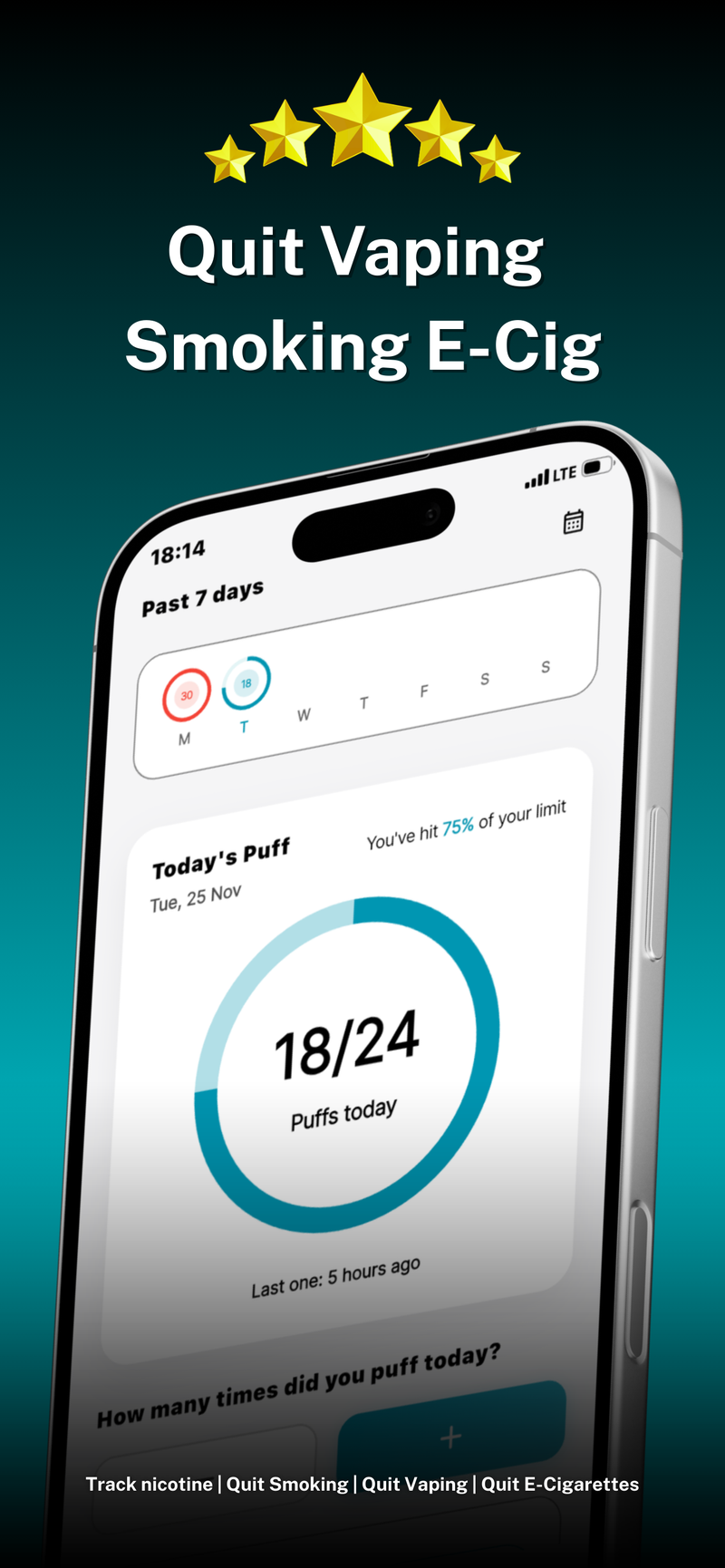
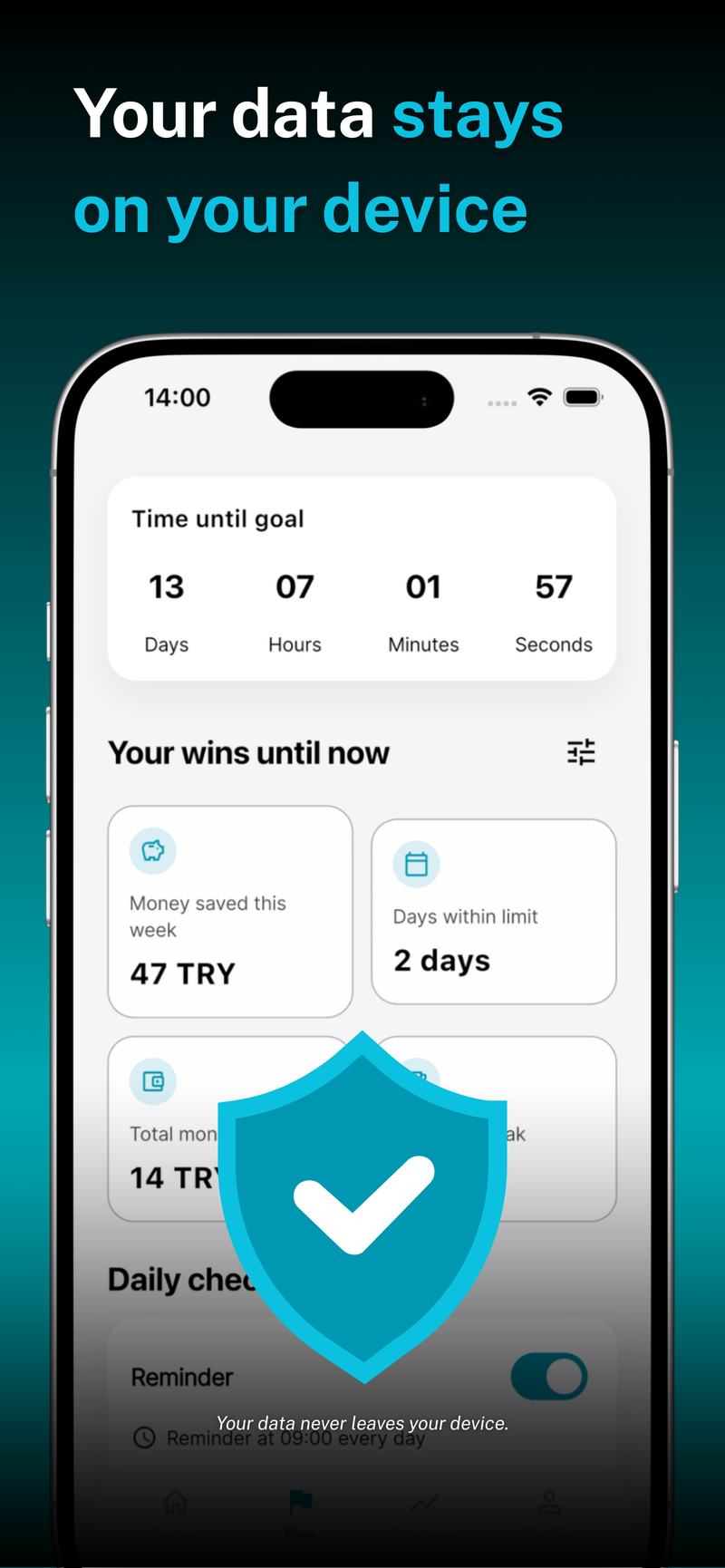
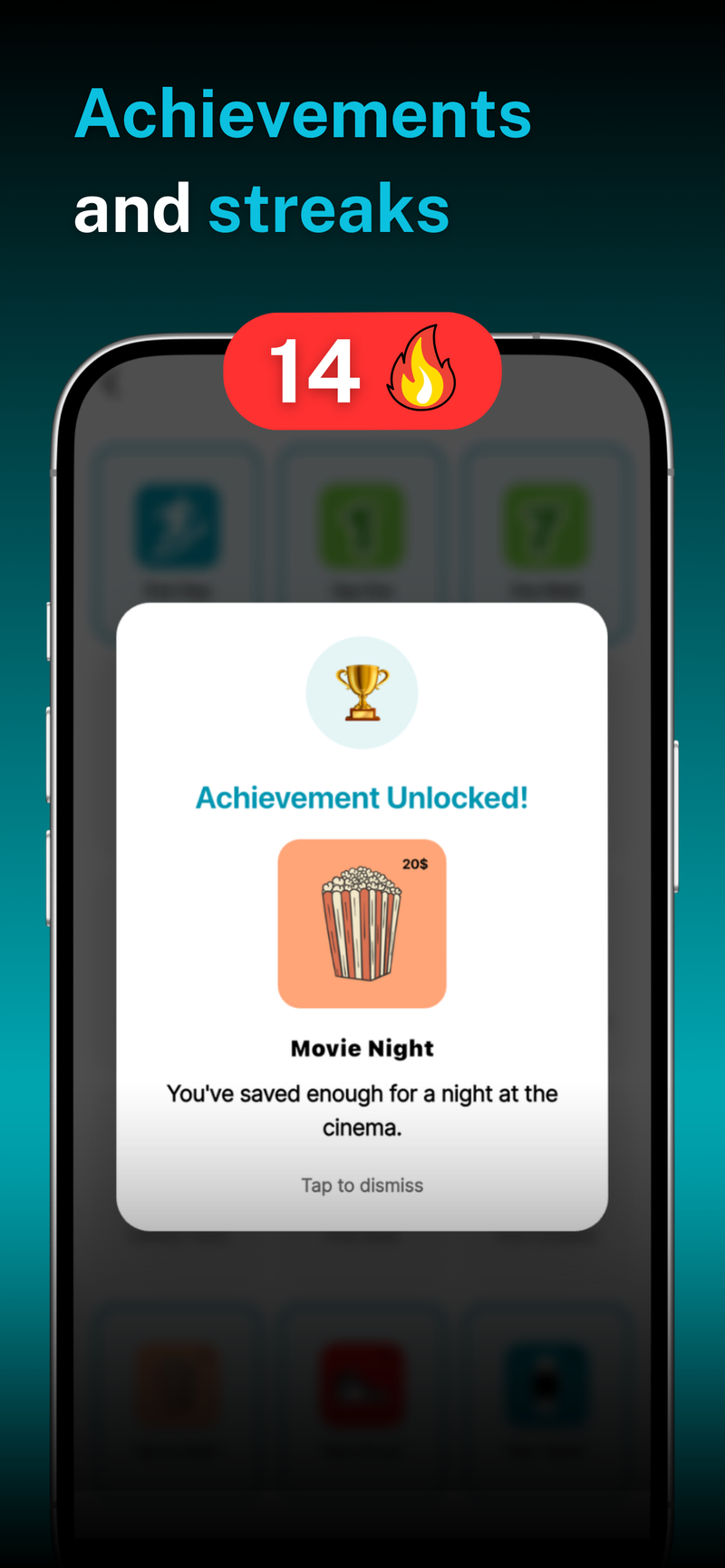
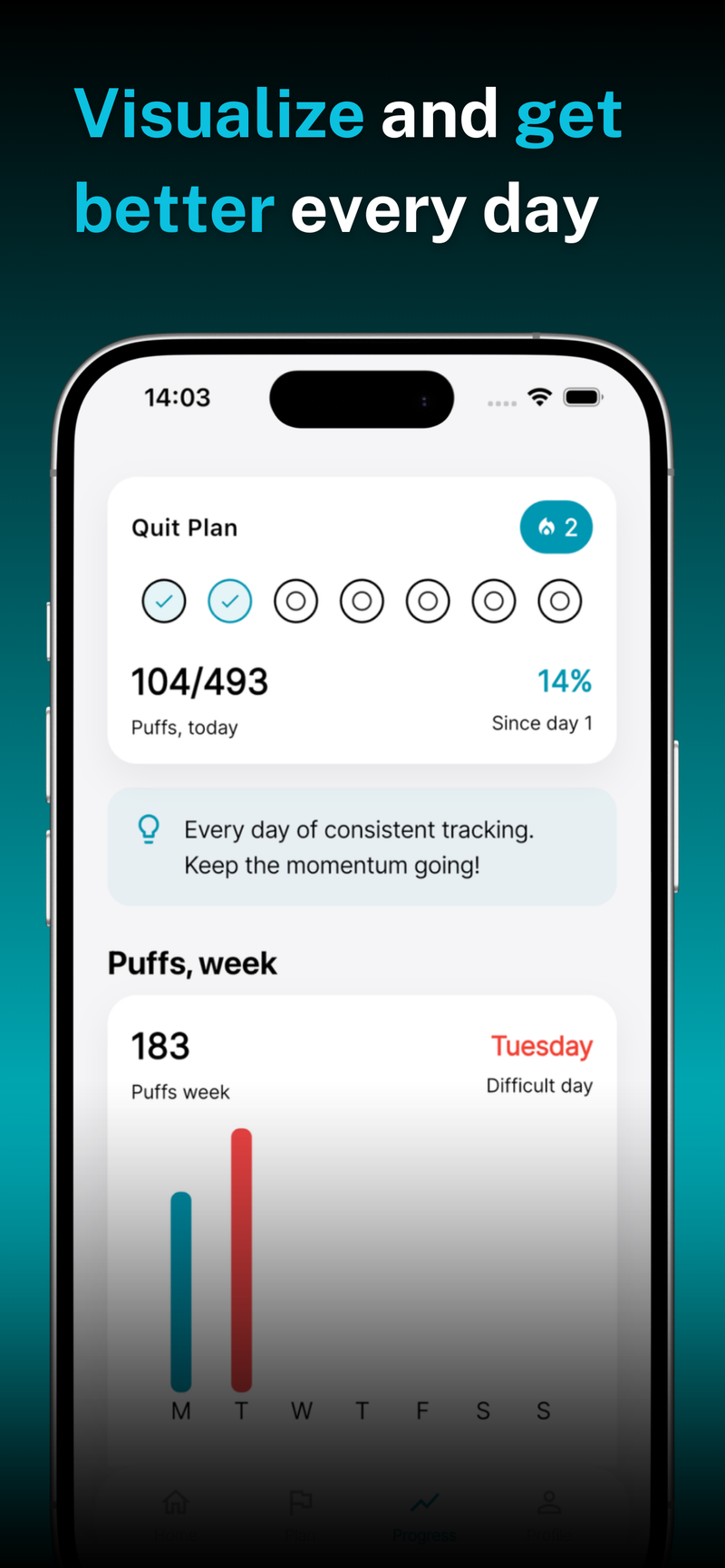
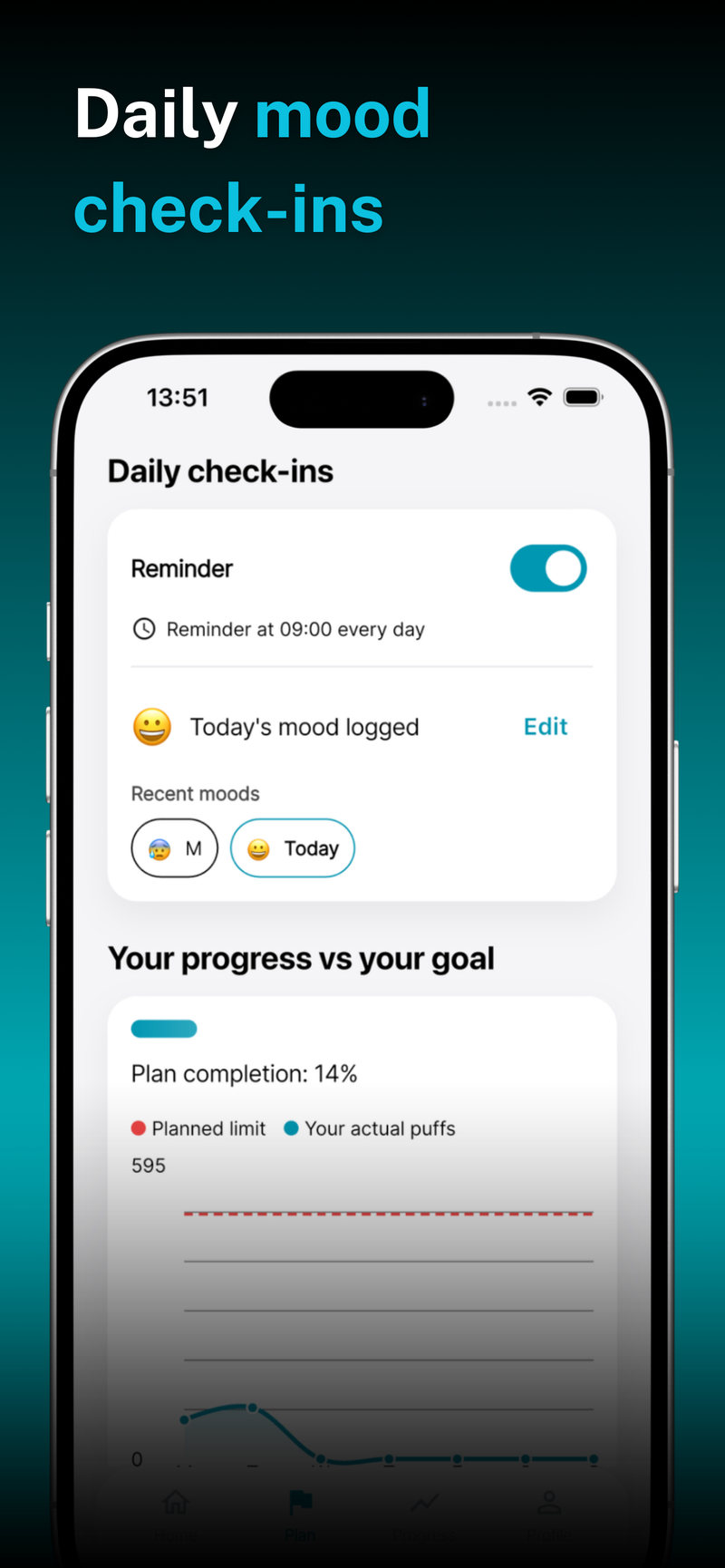
Daily MotivationProgress TrackingHealth MilestonesMoney Saved
💪 Onboarding & Personal Setup