Quit Smoking

Quit Smoking

Your journey to freedom

·Health

Beat Social Triggers Without Nicotine: Practical Guide

Struggling with social triggers while quitting or reducing nicotine? This practical guide offers real-world strategies to identify triggers, replace rituals, and stay on track in social settings. Learn to surf urges, plan ahead, and track your progress with simple steps you can start today.

smoking cessationvaping cessationhabitsmental healthself-help

Introduction


If you’ve ever found yourself smoking or vaping just because it felt like the thing to do in a social moment, you’re not alone. The hardest part of quitting often isn’t the urge in a quiet room—it’s the urge that comes alive in groups, during meals, or after a few drinks. This guide focuses on practical, science-informed strategies to beat those social triggers without turning to nicotine, so you can stay on track in real-world settings.

Understanding social triggers


Social triggers are the cues, settings, or people that make nicotine cravings spike. They live in our routines as much as in our environment. Common examples include:
  • After meals, when a familiar ritual begins

  • Coffee chats, happy hours, or celebrations

  • Time with friends who smoke or vape

  • Stressful or emotional moments that cue old habits
  • Why they’re so powerful

  • Triggers tap into habit loops: cue → routine → reward. Even if the reward is relief from craving, the loop reinforces itself.

  • Cravings are not just physical; they’re social and emotional. Recognizing this helps you plan smarter responses.
  • Tip: You don’t have to eliminate all triggers—just rewire how you respond to them.

    Practical strategies you can start today


    1) Identify your triggers and plan for them


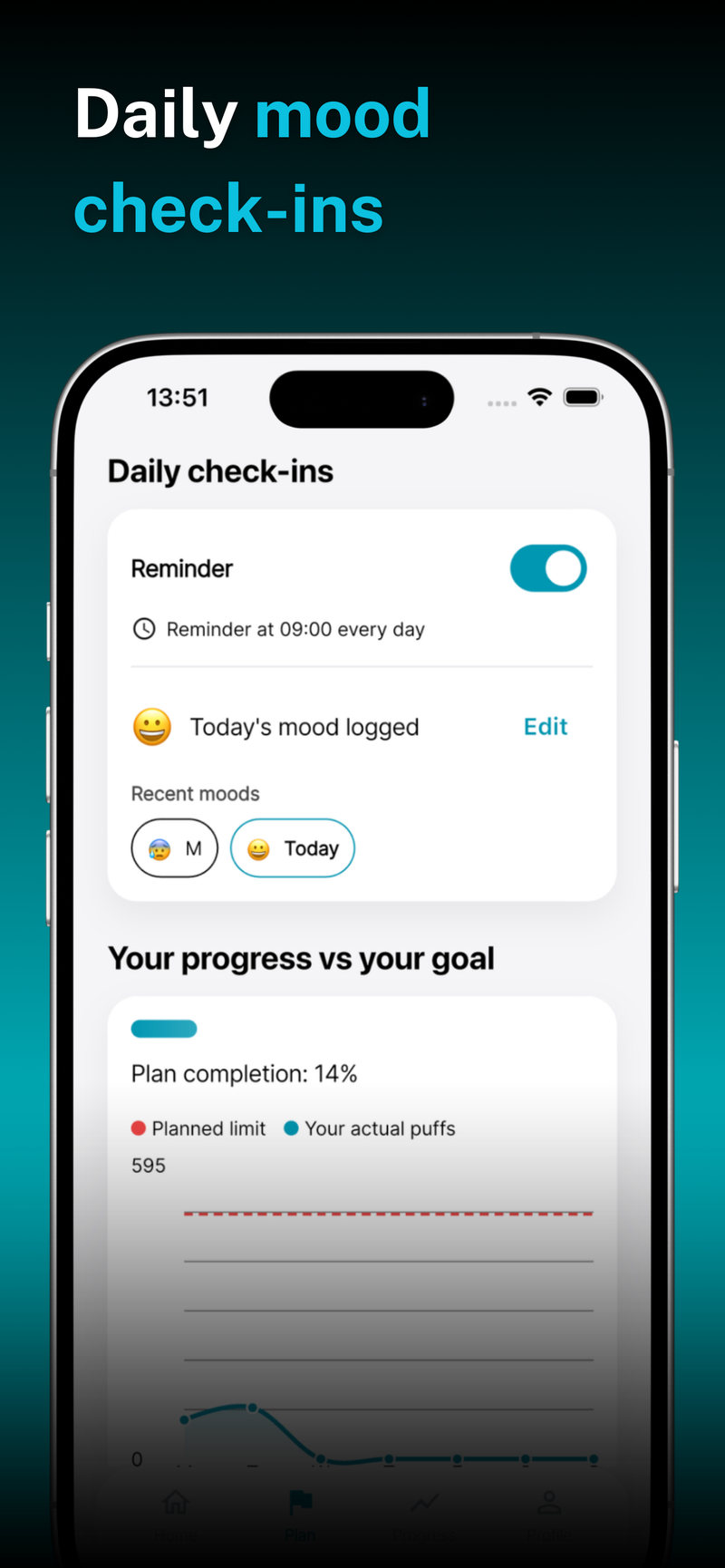
  • Keep a brief trigger diary for one week: note the time, location, people, and what you felt just before the urge.

  • For each trigger, write a concrete alternative action you can take within 5 minutes (see examples below).

  • Rate the urge on a 1–10 scale to track progress over time.
  • Concrete alternatives by trigger:

  • After meals: stand up, wash your hands, take a 2-minute walk, or sip water with a slice of lemon.

  • Coffee or tea breaks: switch to a flavored tea or sparkling water; partner your drink with a 2-minute stretch.

  • Social gatherings with smokers/vapers: choose a designated non-smoking area, arrive with a non-nicotine buddy, or plan a pre-commitment like a quick activity (short walk, mini-game).

  • After stress or arguments: practice a 60-second box breathing exercise, step away for a moment, or write down three things you’re grateful for.
  • 2) Build replacement rituals


    Rituals are powerful because they feel comforting and familiar. Create healthier substitutes that satisfy the same needs:
  • Hydration habit: drink a glass of water before you would reach for a cigarette or vape.

  • Movement ritual: a fast 2-minute stretch or a brisk walk when a craving hits.

  • Mouth and hand rituals: sugar-free mints, crunchy veggies, or a stress ball; keep hands busy with a pen or fidget item.
  • 3) Plan for social situations in advance


  • Before entering a social setting, decide on one non-nicotine action you’ll commit to if you feel a craving coming on.

  • Arrange a signal with a friend who knows you’re quitting so they can help you stay accountable.

  • If alcohol is involved, set a limit and choose non-alcoholic beverages to reduce trigger exposure.
  • 4) Urge surfing: ride the wave, don’t bite


    Cravings peak within minutes and fade if you don’t act on them. Try this quick framework:
    1) Name the urge (e.g., “craving for a cigarette”).
    2) Breathe slowly for 60 seconds.
    3) Do a small, non-nicotine action (sip water, tap a rhythm, step outside).
    4) Observe the urge subside in 5–10 minutes.

    5) Leverage accountability and social support


  • Tell a trusted person about your plan and check in regularly.

  • Join a support group or program where sharing challenges and wins is encouraged.

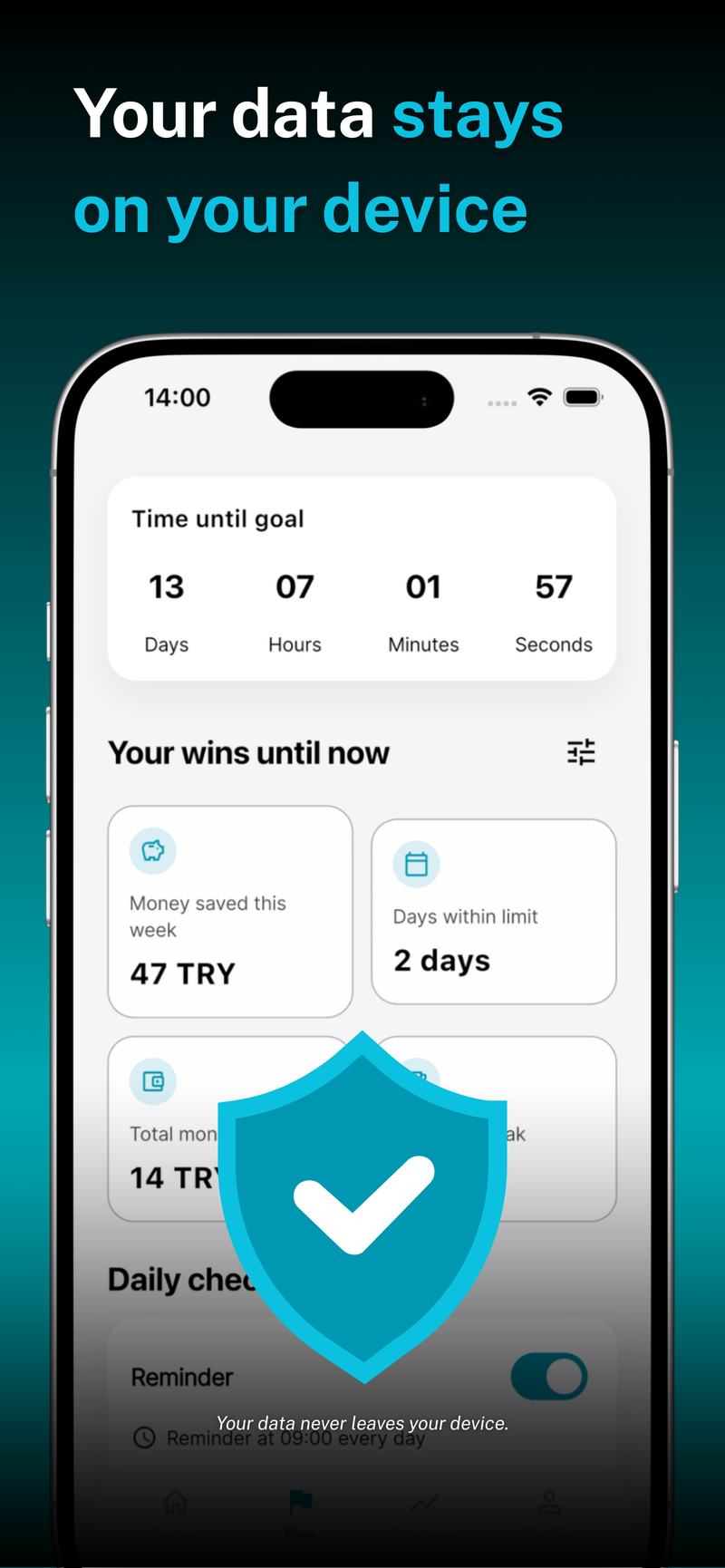
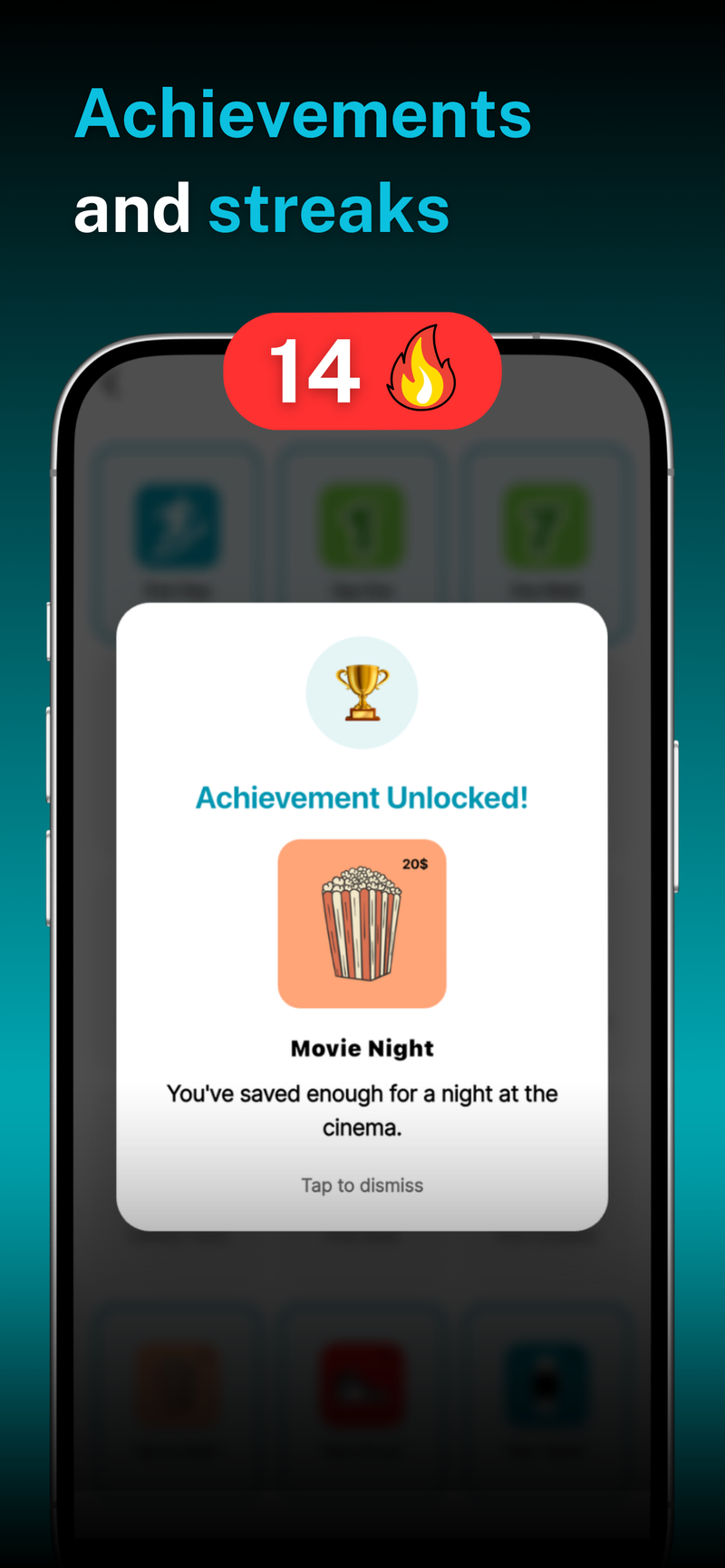
  • Track progress publicly or privately; celebrate small wins (one nicotine-free day, one extra week, etc.).
  • 6) Make the financial argument visible


    Money is a tangible motivator. Calculate your potential savings:
  • If you spend about $8 per day on nicotine products, that’s roughly $56 per week and over $220 per month.

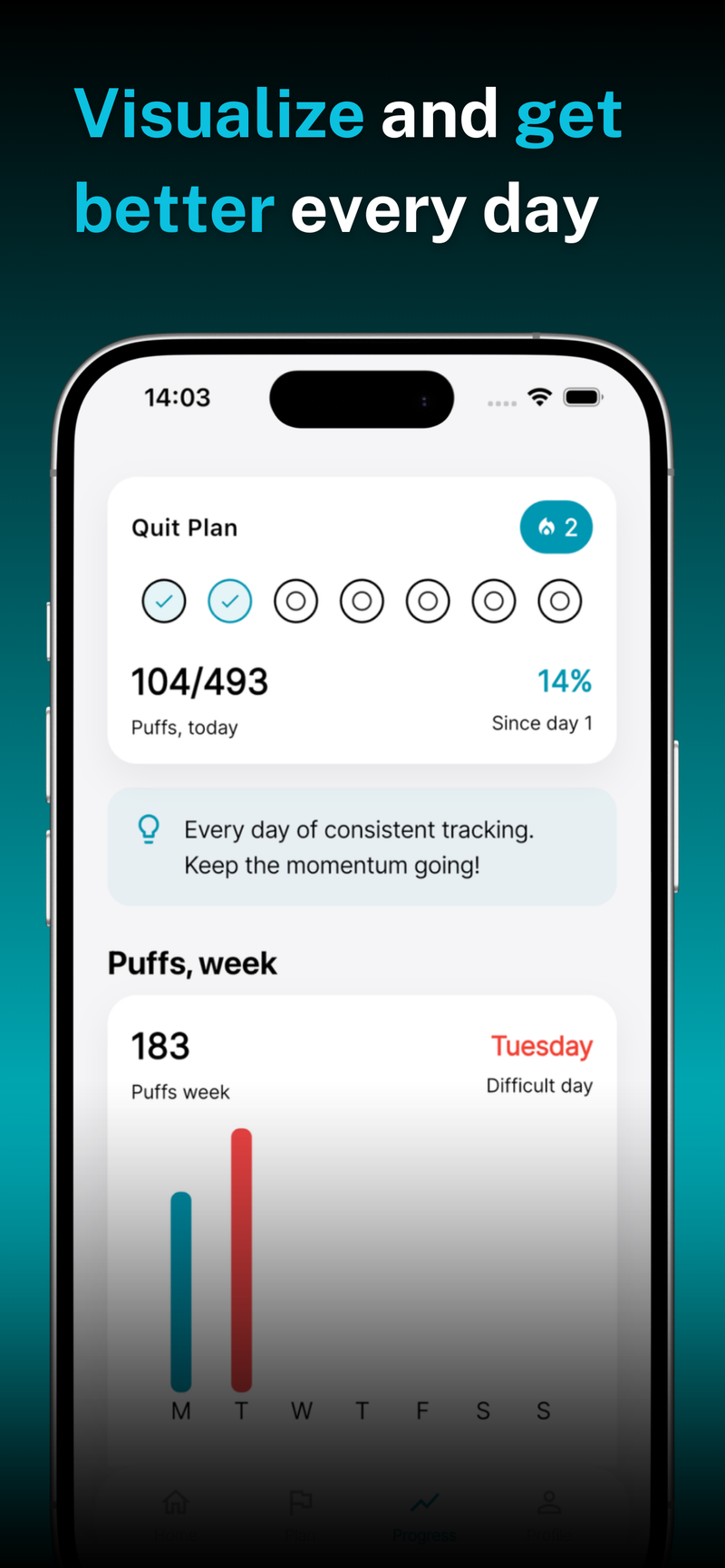
  • Seeing that number in a chart or journal can reinforce your commitment and fund healthier substitutes.

  • Reinvest savings in a hobby or activity you enjoy to reinforce the positive loop.
  • Turning strategies into a short action plan


  • Week 1: Build trigger diaries and commit to one replacement ritual for each trigger.

  • Week 2: Practice urge surfing daily and rehearse pre-planned responses in social contexts.

  • Week 3: Increase accountability—share progress with someone you trust and adjust plans based on what’s working.

  • Week 4: Review savings, celebrate milestones, and refine your trigger log for ongoing improvement.
  • Tip: Real-world triggers vary. The goal is adaptability—tune your responses as you learn what works best for you.

    Statistics and evidence you can rely on


  • Quitting benefits begin within hours: heart rate and blood pressure drop within 24 hours; carbon monoxide levels drop within hours too.

  • Within 2 weeks to 3 months, circulation improves and lung function begins to recover, making physical activity easier.

  • Long-term abstinence reduces risk of heart disease and stroke over time; many relapses occur early, often due to social triggers—hence why planning around these moments matters.
  • Conclusion


    Quitting or cutting back is a process of redesigning how you respond in social moments. By identifying triggers, building practical replacements, planning ahead, and tracking your progress, you create a durable path forward that doesn’t rely on nicotine for relief. The most important step is to practice these strategies consistently and to lean on trusted supporters when cravings spike. If you’re looking for a guided starting point to tailor your quit or reduction plan, consider a solution that offers a personalized onboarding flow to set up your goals, timeline, and daily steps. Quit Smoking & Vaping can help with this through its Personalized quit plan onboarding flow, supporting you as you build a plan you can actually follow in real life.
    Quit Smoking icon

    Quit Smoking

    Your journey to freedom

    Free • In-App Purchases
    GET
    Dashboard
    Progress
    Health
    Savings
    Motivation
    Stats
    Daily MotivationProgress TrackingHealth MilestonesMoney Saved

    💪 Personalized quit plan onboarding flow

    Related Articles

    Quit Smoking

    Your journey to freedom