
30-Day Mood Journal to Break Nicotine Urges: Today
A 30-day mood journal helps you map cravings to mood and triggers, turning daily reflections into a practical quit plan. Learn actionable journaling steps, coping strategies, and how to spot patterns that support lasting change.
Introduction
Are you noticing cravings arrive like waves—bright, brief, and sometimes overwhelming? Quitting smoking or vaping isn’t just about willpower; it’s about understanding the moods that fuel urges and building a plan that fits your life. A simple 30-day mood journal can turn confusing cravings into actionable steps, one day at a time.
Main Content
Understanding cravings and mood connections
Cravings often ride on mood shifts—stress, boredom, loneliness, or a sense of relief after a meal. A craving typically lasts a few minutes, but the urge can return if you encounter a triggering cue such as a coffee break, being around others who smoke, or completing a task that used to end with a cigarette. Tracking mood alongside cravings helps you map triggers over time, so you can anticipate and prepare rather than react.
Build a 30-day journaling habit
Follow these steps to make the journal work for you:
1) Pick a consistent time each day for a quick entry (5 minutes).
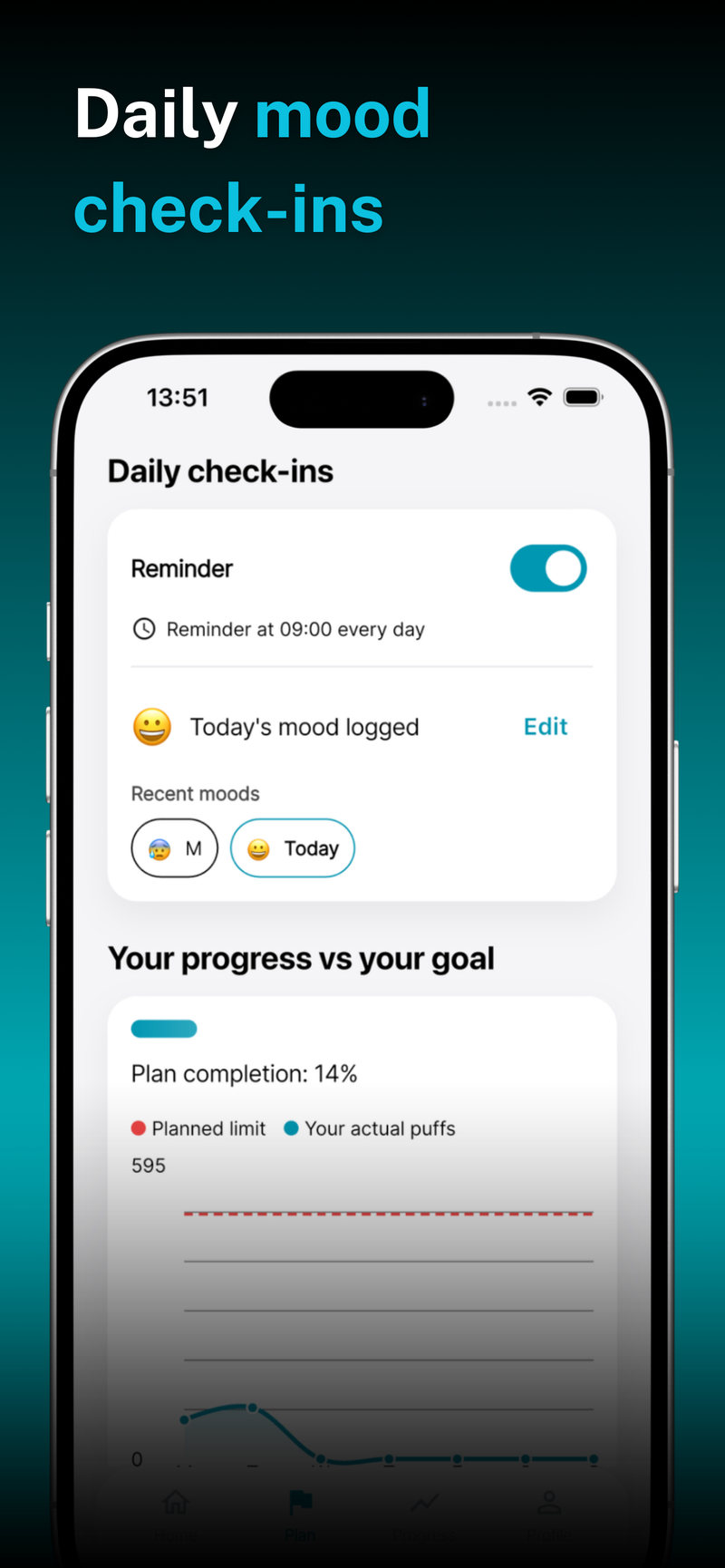
2) Use a simple template: mood rating 1–10; craving intensity 0–10; identified trigger(s); what happened in the last hour; coping attempt; outcome.
3) Identify triggers: time, place, people, emotions.
4) Note coping strategies you tried and whether they helped.
5) Record a small win—something you did to stay on track.
6) Do a quick weekly review to spot patterns.
7) Set small milestones (1 day, 7 days, 14 days) to celebrate progress.
Practical techniques to manage cravings
Examples of journal entries
Entry 1:
Entry 2:
Times when mood journaling helps most
Journaling shines during moments of weakness or transition—early mornings, after meals, social events, or when stress spikes. By pre-planning coping steps and recording what works, you create a personal playbook that grows with you.
Integrating journaling with other strategies
Journaling works best when paired with additional supports, such as nicotine replacement therapy or counseling. The journal provides data you can bring to a clinician or support group, helping tailor advice to your real patterns rather than generic tips.
Conclusion
Quitting is a journey, and a 30-day mood journal can be a steady, personal ally. By identifying triggers, labeling your mood, and testing practical coping strategies, you build a durable framework for lasting change. If you want a clearer path, consider tools that offer structured onboarding and a personalized setup to tailor your quit plan precisely to your habits, goals, and timeline. This kind of support can increase consistency and accountability as you move toward a nicotine-free life.
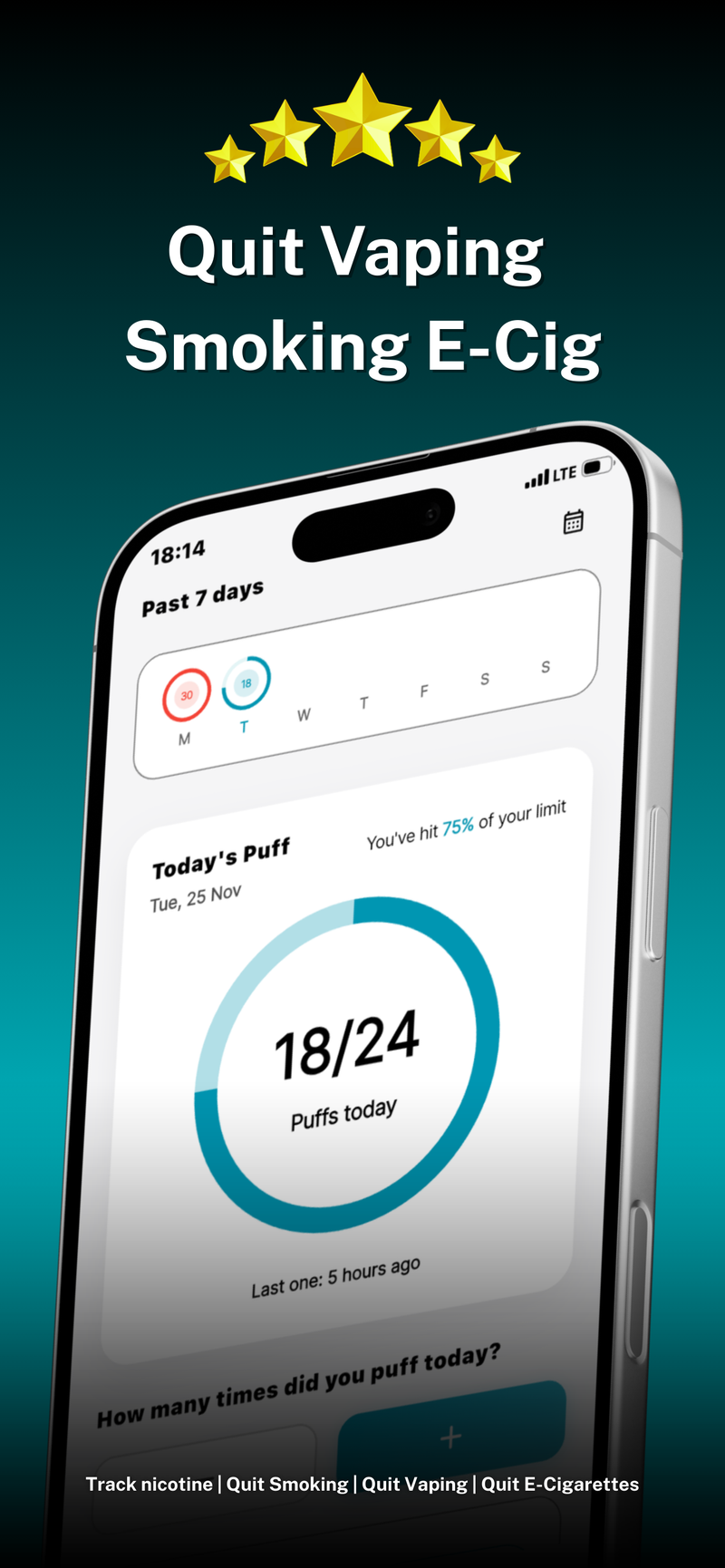
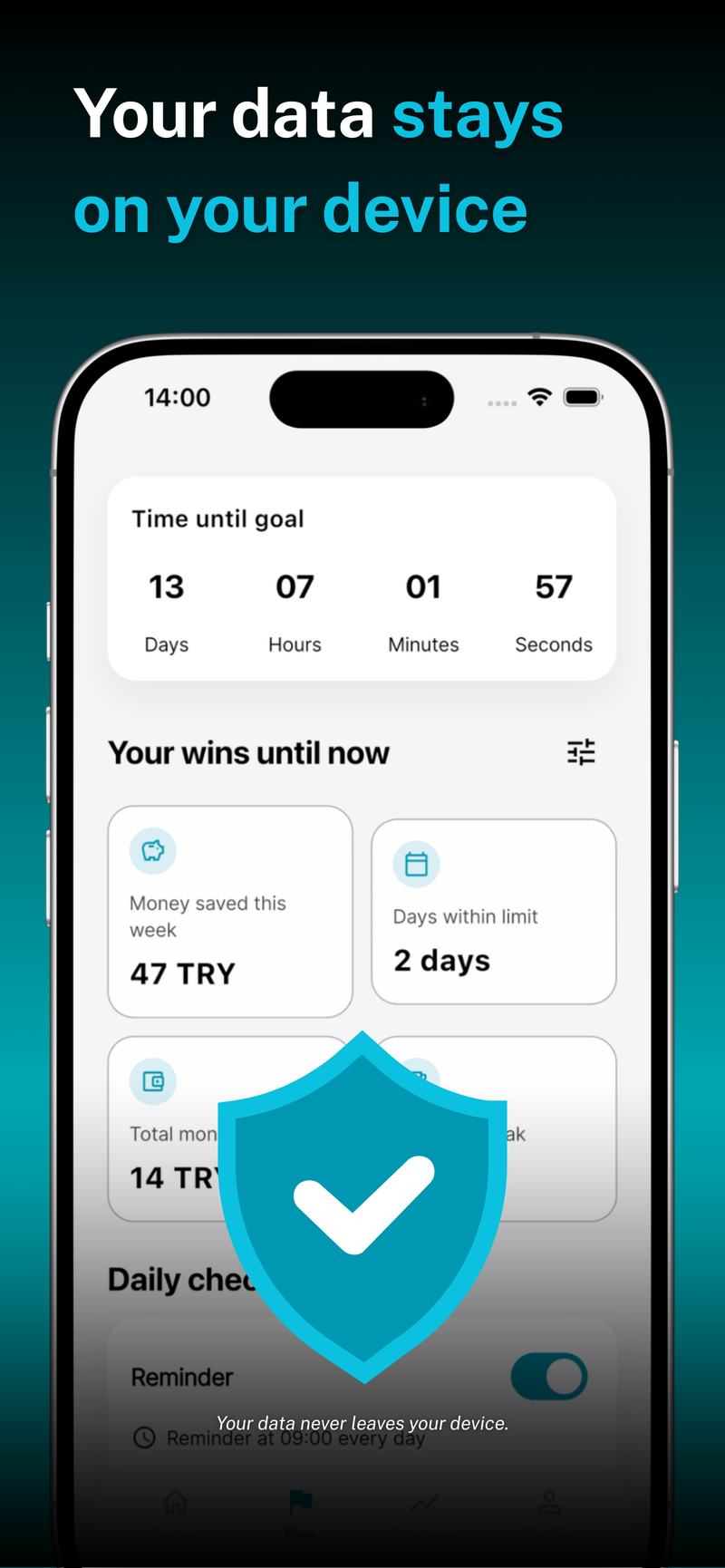
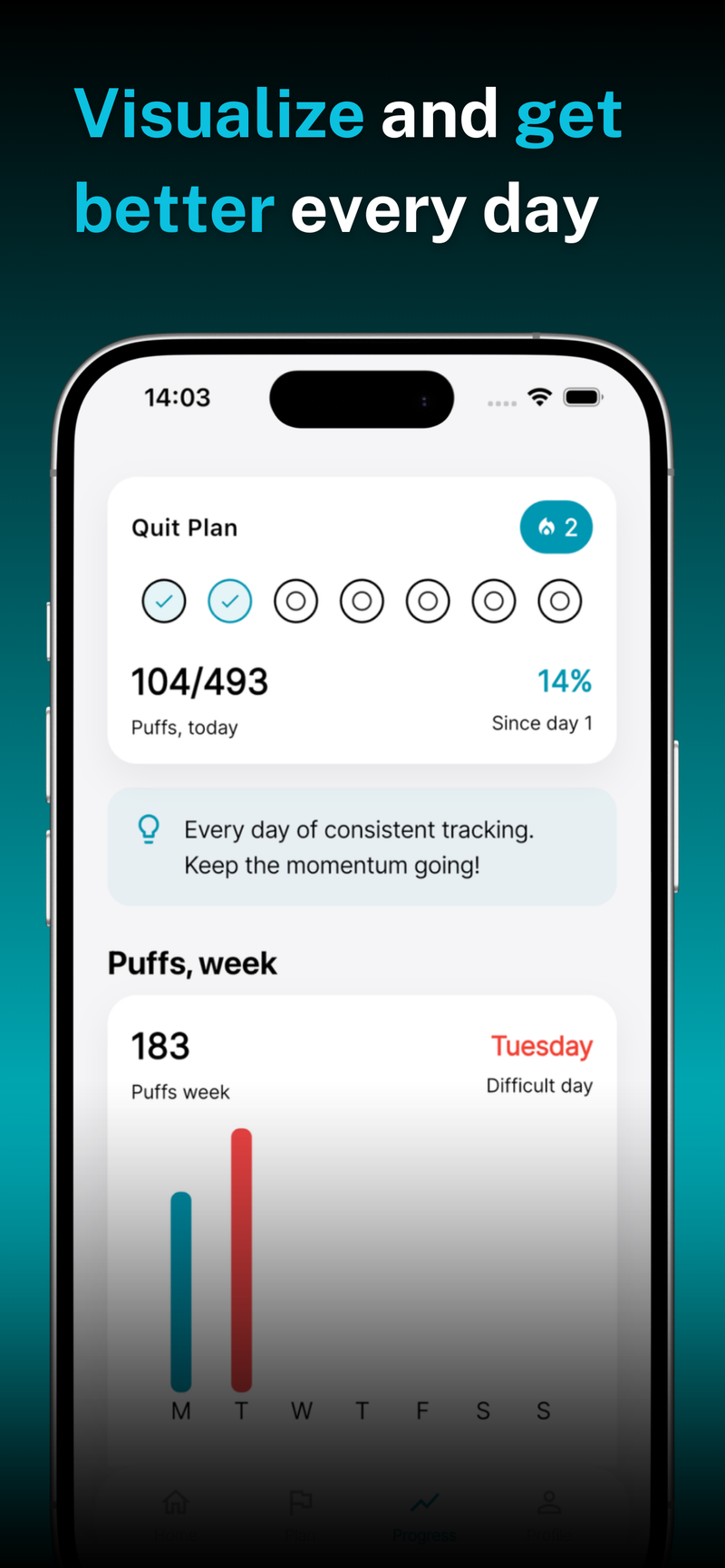
The final step is choosing a plan that fits you. Onboarding and Personal Setup can help you customize options such as choosing your product type (cigarettes or vapes), setting a main goal (monitor & reduce or quit entirely), picking a target timeline, and tracking daily habits and spending. If you’re looking for a guided approach, Quit Smoking & Vaping can help with this, highlighting the Onboarding & Personal Setup feature to start your tailored journey.

💪 Onboarding & Personal Setup