Fokus Budget

Fokus Budget

AI-powered expense tracking

·Budgeting

10 Practical Ways to Lower Household Bills This Year

Rising bills strain budgets, but practical, steady changes can add up. This guide offers 10 actionable steps—from energy habits to subscription audits—to help households cut costs this year.

personal financebudgetingcost-of-livinghousehold-managementenergy-saving

Introduction

Are your monthly bills creeping up despite careful budgeting? If you’re like many families, you feel the pinch from energy costs, subscriptions, and groceries. The good news is that small, concrete changes can add up to meaningful savings without sacrificing comfort. Here are 10 practical ways to lower household bills this year.

1. Do a 30-day spending audit


  • Gather all bills (electric, gas, water, internet) for the last year and group by category.

  • Identify your top 3 non-discretionary costs and the top 3 discretionary ones you could trim.

  • Set a realistic target (e.g., 5-10% reduction in utilities) and track progress weekly.
  • Quick data point: tracking your spending can reduce impulse purchases by 10-15% over a few months.

    2. Cut energy use with smart choices


  • Swap to LED bulbs (75% less energy than incandescent).

  • Unplug idle electronics; use smart power strips.

  • Seal leaks and insulate doors/windows; set thermostat to comfortable levels.

  • Use a programmable thermostat or schedule for heating/cooling.
  • Tip: even small changes like keeping the fridge at 3-5°C can save energy.

    3. Review contracts and renegotiate


  • Check annual invoices for internet, mobile plans, and streaming services.

  • Compare prices and consider switching providers if cheaper.

  • Ask for discounts or negotiate when renewing.
  • Data point: many households save 10-20% by shopping around and renegotiating.

    4. Optimize heating and cooling habits


  • Set winter temps to around 68°F (20°C); summer 78°F (26°C) when possible.

  • Use ceiling fans to circulate air and reduce HVAC load.

  • Schedule HVAC maintenance and replace filters every 1-3 months.
  • A well-maintained system can cut heating bills by 10-15% on average.

    5. Review utility rates and billing plans


  • Compare time-of-use and flat-rate options in your area.

  • Consider budget-billing or consolidated bills to avoid seasonal spikes.

  • If available, enroll in energy-saving programs or incentives.
  • Savings vary, but informed rate choices can shave 5-15% off a yearly bill.

    6. Reduce water waste and heating costs


  • Fix leaks promptly and install low-flow faucets and showerheads.

  • Run full loads of laundry and use cold water when possible.

  • Insulate hot water pipes to speed up heating and reduce standby losses.
  • A few fixes can substantially lower both water and energy use.

    7. Plan meals and cut grocery waste


  • Create a weekly meal plan and a precise shopping list.

  • Buy generic brands and compare price-per-unit.

  • Use leftovers creatively and store produce properly to avoid spoilage.
  • Tip: meal planning can reduce grocery bills by 10-15% on average.

    8. Eliminate duplicate subscriptions


  • List every recurring charge in your bank app; cancel unused or duplicate services.

  • Share family plans to split costs where possible.

  • Audit annual subscriptions and switch to cheaper yearly plans when advantageous.
  • Estimated drain: many households pay for 3-4 services they barely use.

    9. Rethink transportation costs


  • Maintain tires, change air filters, and drive efficiently to improve mileage.

  • Plan errands in one trip and consider public transit or carpool.

  • When feasible, mix in work-from-home days to reduce commuting.
  • Smart driving can improve fuel economy and translate into noticeable savings over a year.

    10. DIY fixes and seasonal maintenance


  • Learn basic home maintenance (air leaks, weatherstripping, caulking).

  • Tackle small repairs yourself when safe, or hire for big tickets.

  • Schedule seasonal maintenance (AC service, chimney cleaning) to prevent costly failures.
  • Small investments in maintenance pay off with fewer emergencies.

    Conclusion

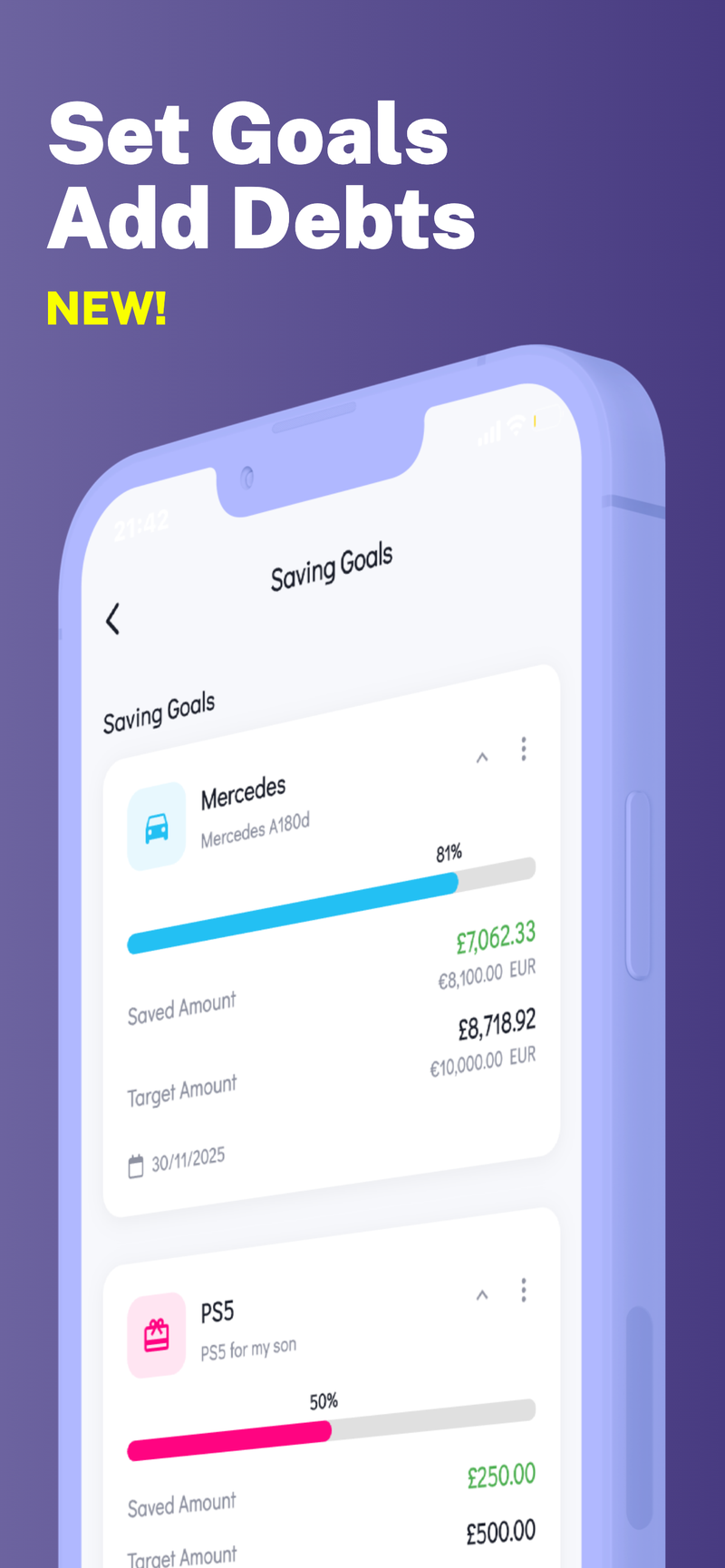
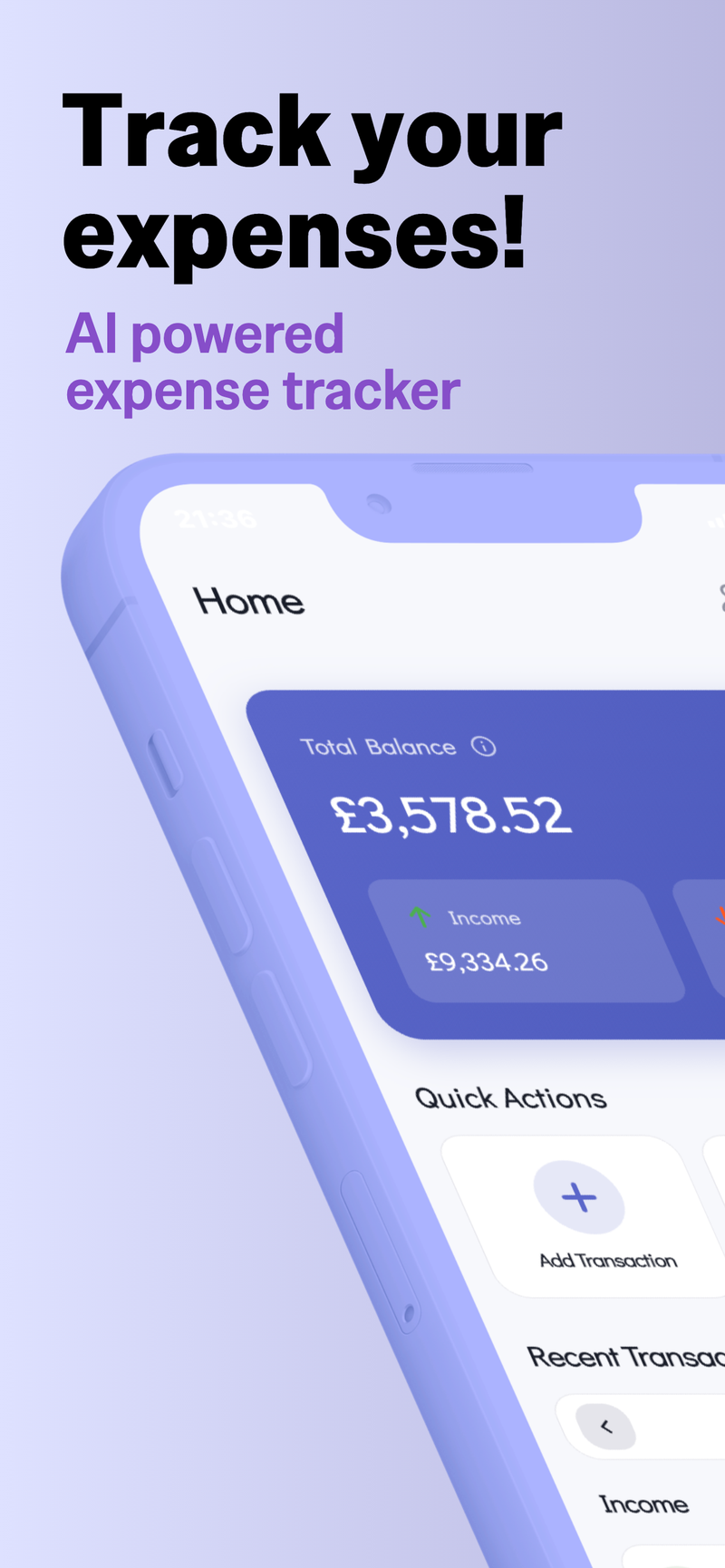
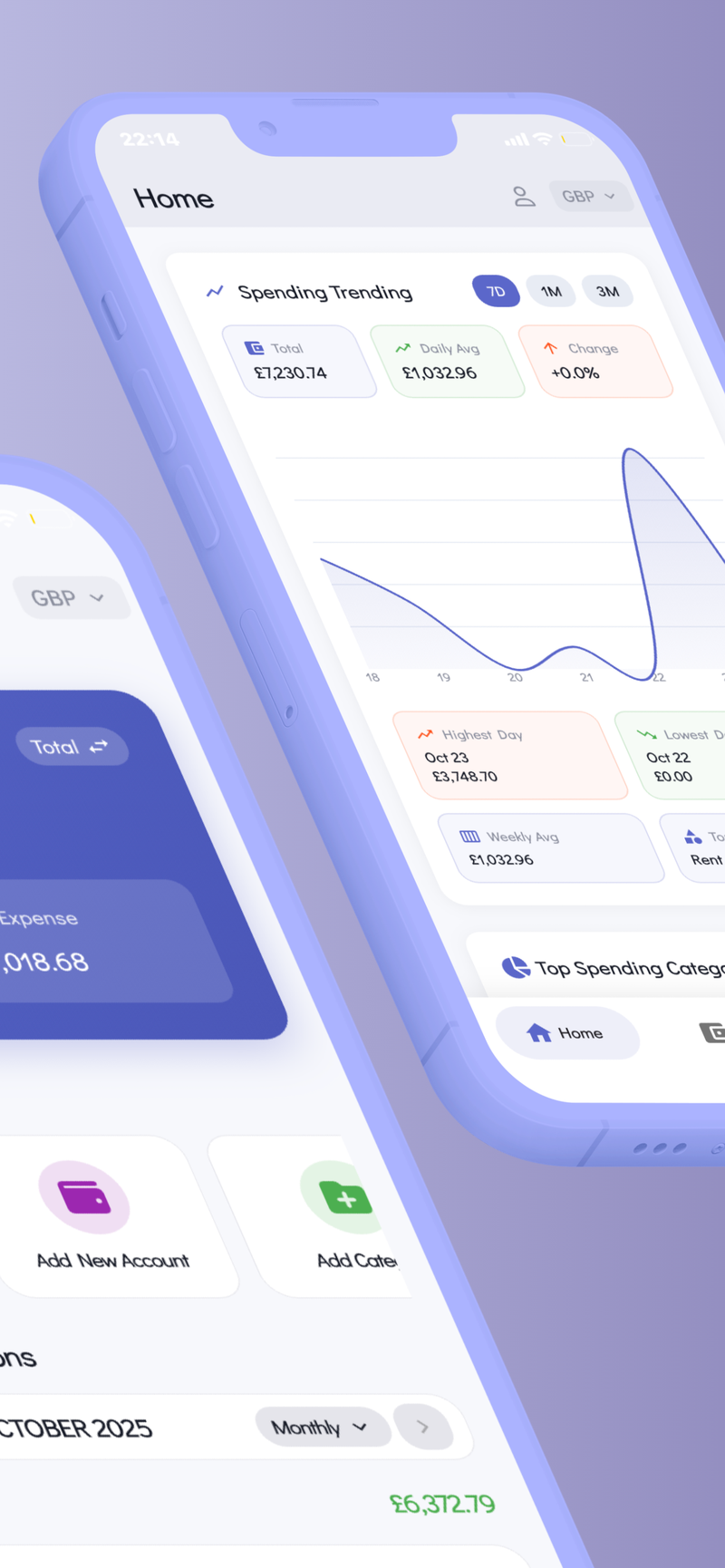
    Saving money on household bills is less about big sacrifices and more about consistent, small decisions. Start with a quick audit, pick two tips to implement this month, and build from there. Track progress, celebrate small wins, and adjust as needed. If you want a private, easy way to organize your budget, track bills, and monitor progress across different areas, Fokus Budget can help. It offers a privacy-first approach with on-device data storage, so your financial information stays yours while you plan smarter.
    Fokus Budget icon

    Fokus Budget

    AI-powered expense tracking

    Free • In-App Purchases
    GET
    Dashboard
    Analytics
    Transactions
    Categories
    Reports
    AI Receipt ScanningMulti-CurrencyBank ImportPrivacy-First

    Privacy-first, on-device data storage

    Related Articles

    Fokus Budget

    AI-powered expense tracking